












In recent years, artificial intelligence has become something we see not only in futuristic movies, but in everyday life. This is reflected in the use of chat bots, online search platforms, and in other easily accessible apps that people use daily.
The rapid advance in AI technology has raised many conversations as to how and when it can be used appropriately. This topic has caused much controversy for those involved with art.
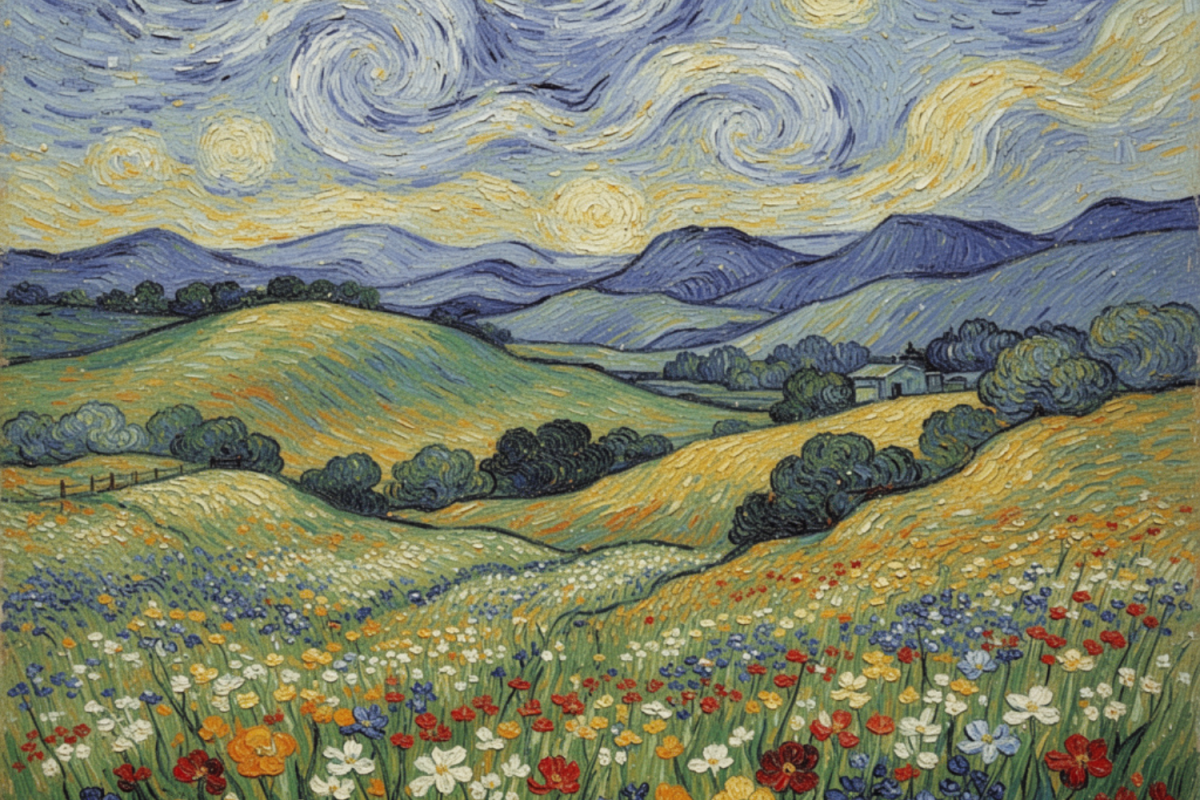
Artificial intelligence has the ability to generate not only ideas but original works of art, including paintings, music, and digital designs. People are able to write a quick prompt, and the programs respond by producing work within minutes.
This has created a lot of changes in the art world. When AI can be used for creative purposes, it is a cause for concern for many artists in regards to employment, ethics, and originality.
One aspect of AI is its ability to operate as a creative tool for artists, enabling people to use programs to brainstorm new ideas for their works, as well as experiment with the different features the AI can bring to their work.
This is where it can be used as a tool rather than competition for artists, enhancing what people can do rather than replacing it.
Another beneficial aspect of AI in art is when artists are able to utilize programs as a part of their style, combining scientific abilities with their creative abilities in order to create original concepts and new ways to make art.
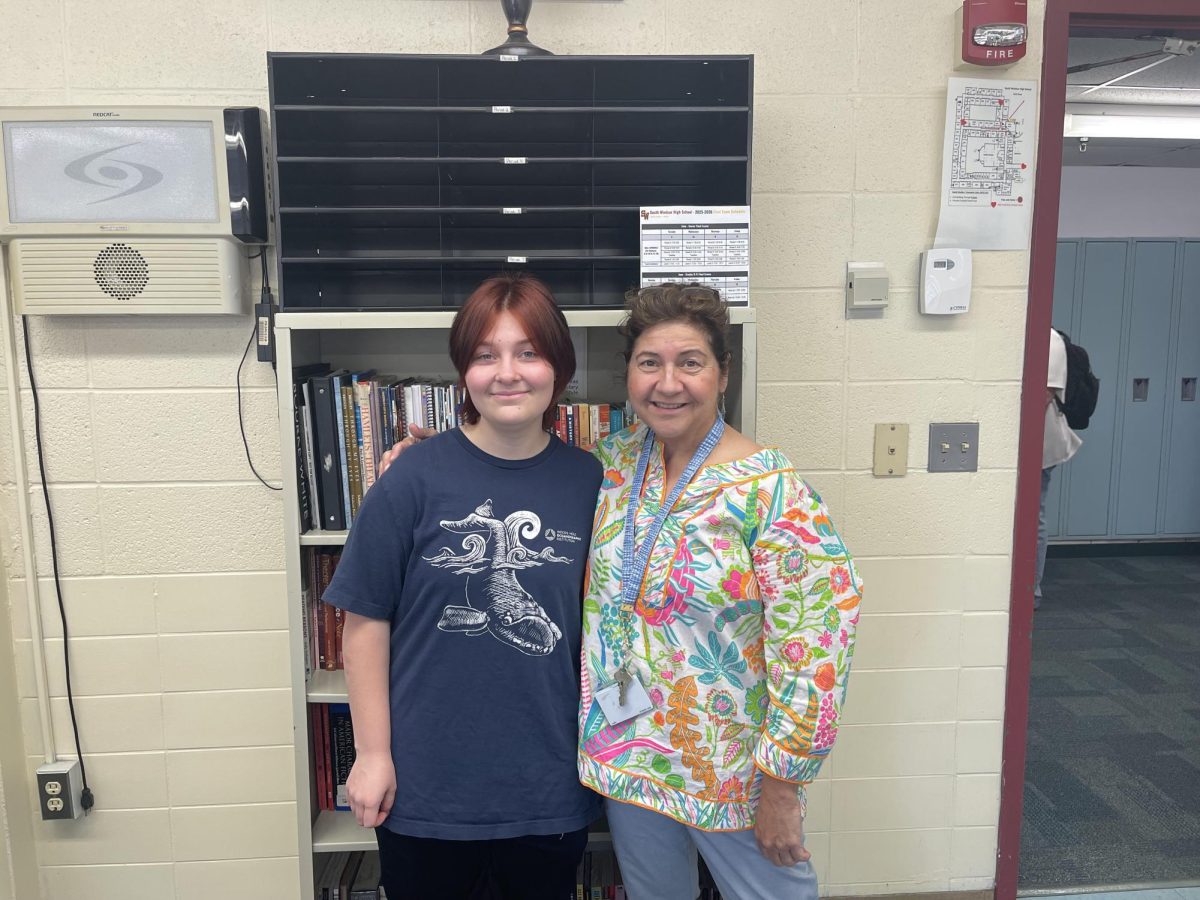
South Windsor High School senior, Nico Bennet, spoke to The Prowl about this topic, saying, “There’s a piece here and there that I appreciate when the artist trains an algorithm/robot to do something really specific, but in terms of AI generating the actual art, I’m very firmly against it.”
Where there can be some aspects of AI technology that can be viewed as beneficial to artists, there are also aspects that harm artists. Specifically, generative AI.
Generative AI is artificial intelligence that is able to produce “original” works of art by copying techniques of artists in the past, combining various works from many different artists to produce a new piece. Artists rely on their own creativity to come up with inspiration for new artwork, but now, a bot is able to do this with no effort.
The role of generative AI in art spaces is cause for much criticism, as people raise ethical questions about how AI could be replacing natural art made by humans
Another controversy surrounding these programs is the confusion that comes with it. People are struggling with determining who should receive credit for a piece of art generated by AI, and whether or not that piece should truly be considered art.
For generations, art has been able to impact the general public, through the messaging hidden within artwork, and the feeling it creates.
“Art is a fundamental part of human experience and a machine can’t express or create the things that we are capable of,” Nico Bennet told The Prowl.
The potential of AI to produce artwork, and the concern it causes, stems throughout the art field, as generative AI can also pose a threat to jobs in multiple industries of art, including jobs in music production and script writing. AI has been a cause of worry for those going into these fields, especially considering many of these are already very competitive fields.
With art constantly evolving, some simply view this as the next stage in art history, another form of art that develops through years of change.
South Windsor High School art teacher, Mrs. Ziff commented, “It’s not doing as much harm as some people say, in my opinion, because it’s just changing things, and that has happened all through history.”
However, Mrs. Ziff also acknowledges, “we need to learn how to do skills, and we need to learn how to think for ourselves, ’cause that’s the main part of what art is.”
Ultimately, it can be recognized that with new advancements in AI, whether viewed as a positive or negative change, art won’t be the same again.