












A young adult stands in a voting booth on what was, only a few years ago to them, just another Tuesday in November. A bead of sweat forms on their forehead. What should they do? Does it matter what they do? Will any real change manifest from their decision here in this cramped cubicle?
This is a question that many voters, both new and experienced, have asked themselves. What good is voting if it will ultimately have no power in what truly happens in government? This question is what the term “political efficacy” is all about.
Definitively, “political efficacy” is the trust that citizens have in their ability to influence the actions of their elected officials. The term has been used especially in government and civics classes at the high school as students learn about their government and politics.
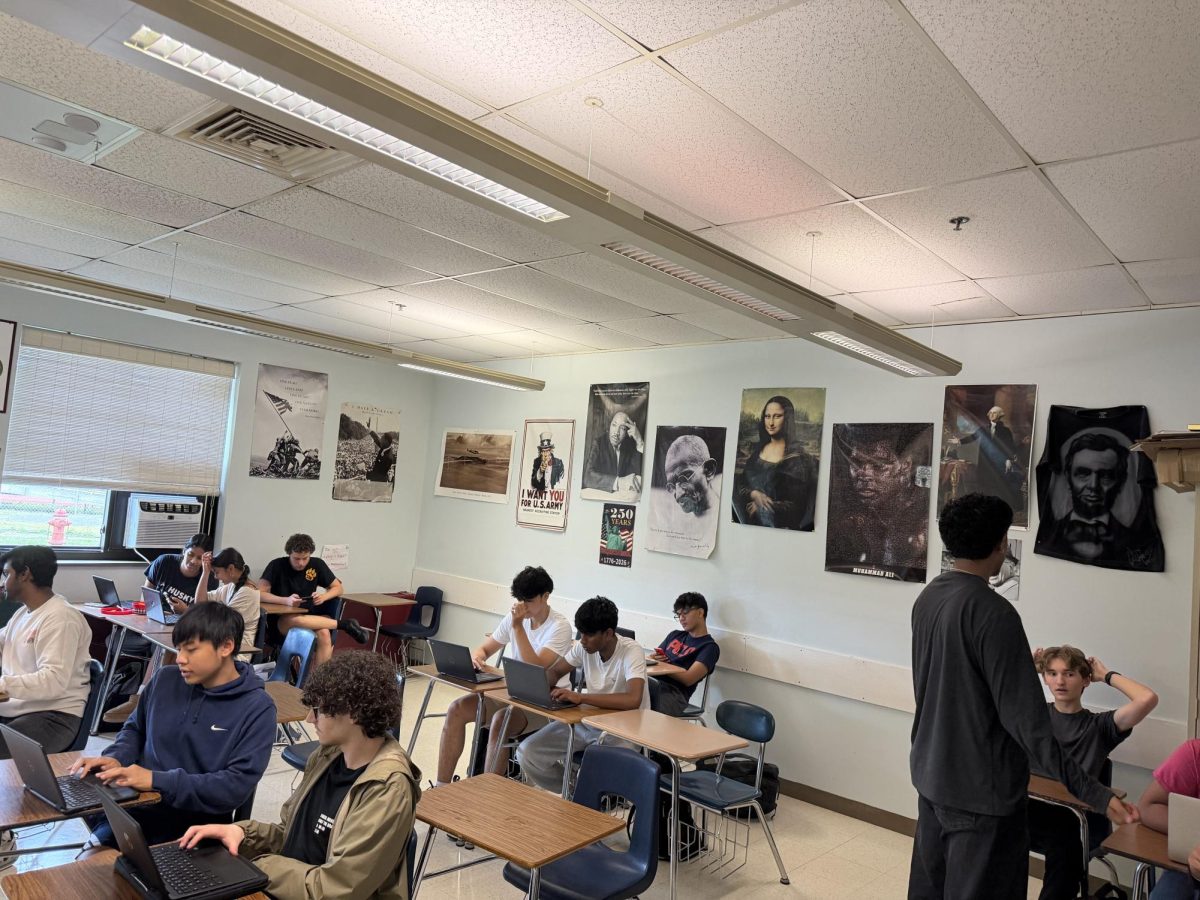
“In order for people to function in representative government, people have to believe that voting matters, and then, if they think their vote matters, that the government’s going to respond, and that the people who are elected are going to make decisions that reflect the people’s interests. So, knowing about what it is and knowing why it’s important are absolutely paramount,” AP Government teacher Mark D’Amato told The Prowl.
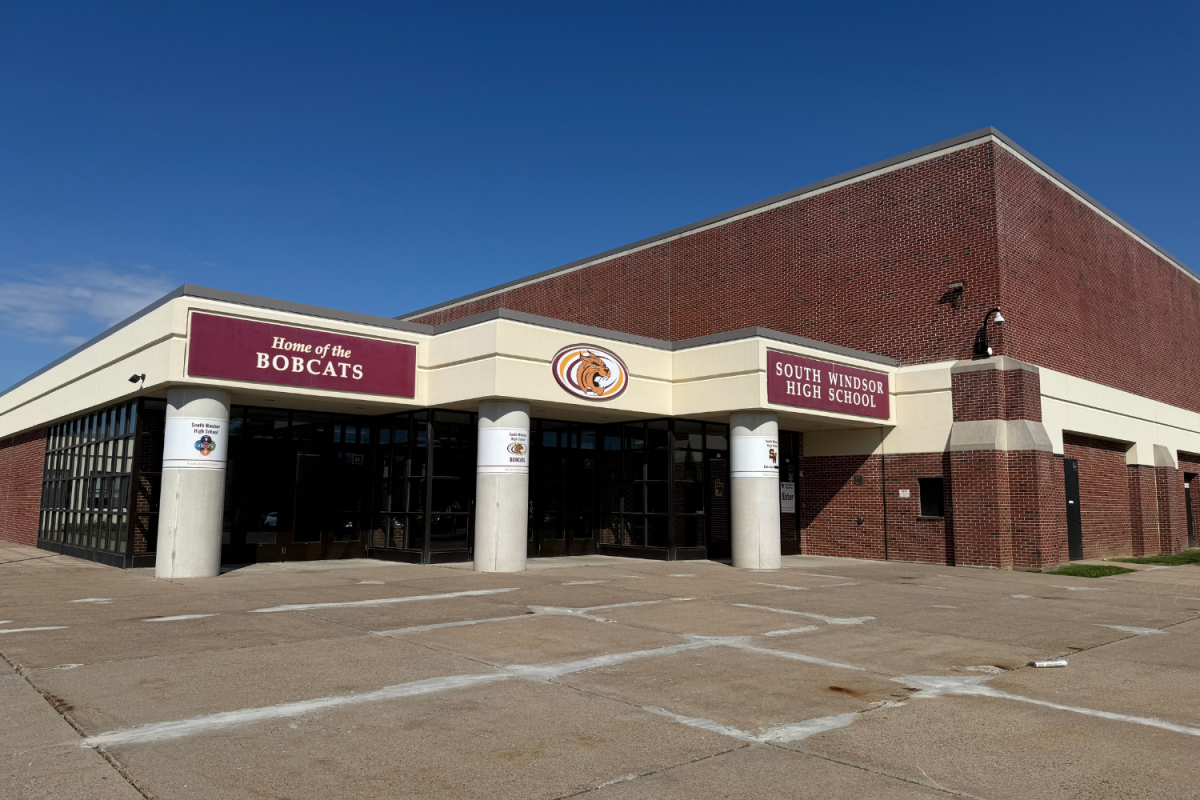
However, while it may be one small part of a syllabus for some South Windsor High School students, many others grapple with the concept in their daily lives.
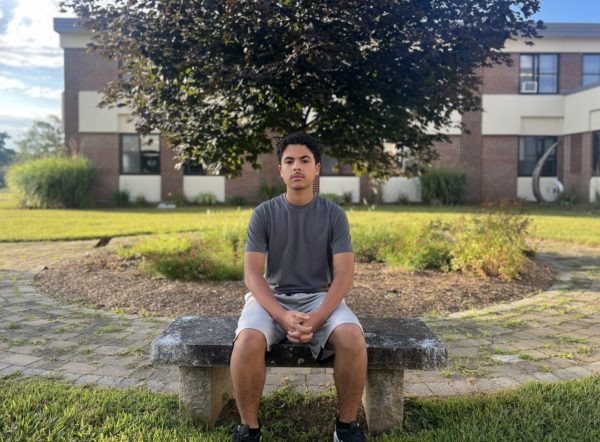
Quite a few of today’s South Windsor High School seniors are or will become 18 before this year’s election day on Tuesday, November 3, and once they do, they will officially become eligible to vote, though they must register beforehand.
This civic responsibility may be daunting to some, especially considering today’s heated political climate. Furthermore, heightened political efficacy among new South Windsor voters, or lack thereof, has a large impact on their decision to vote as well. South Windsor High School senior Bailey Baker offers an interesting perspective on the weight of his vote.
“Personally, I don’t think my vote matters that much because I’m one person in a sea of a couple hundred million that are voting,” Baker said. “So realistically, I don’t think that it’ll do that much.”
The idea that one vote out of millions is virtually meaningless is not unfounded, for it is a very real concern that many voters face.
In the episode “Irma Kostroski” of the popular HBO comedy show “Curb your Enthusiasm,” the main character Larry David chooses not to participate in a mayoral election thinking that his vote will have no real impact. However, it turned out that the contest was ironically decided by one vote.
While the scenario was comical and seemingly unrealistic, it illustrates the power that voters hold, even if it is just one vote among millions. Although, voting is not always at such a large scale. Residents of South Windsor participate in democracy and hone into their political efficacy at the local level every year, with a prime example of this being the construction of the new elementary schools.
“I would like to say that an example in the recent past to show [political efficacy] is the rebuilding of all the elementary schools, right? That passes through a referendum vote, which people participate in,” D’Amato said.
The people of South Windsor made their voices heard through the democratic process, ultimately increasing their political efficacy as they can see their wishes reflected in government.
As new voters come of age to enter the political process, the question of political efficacy is one to surely consider. It may seem like a foreign concept at first, but it is a major pillar of the foundation of our democracy and the people who participate in it, whether it be in our country’s general elections, or just our own town council elections. If we have it, we can push for change, but if we lose it, we move closer to losing our republic altogether.