


























Before track practice, you see a group of students at your school “sacking.” Then, you see it the next day in the hallway during passing time. After that, it spreads, and instead of playing Block Blast, you see students kicking a tiny ball around. Suddenly, the game of Hacky Sack evolves from more than just a game into more of a passion.
The goal of the game Hacky Sack is to keep the sack in the air by only using your feet, chest and any other part of your body besides your arms and hands. Players will gather in a circle and use different moves and strategies to prevent the sack from hitting the ground.
“Hacky Sack” was coined by John Stallberger and Mike Marshall in 1972, and the game started reaching immense popularity among the youth in the later decades of the 20th century. This game has blossomed thanks to social media, and it has allowed the game of Hacky Sack to spread across schools, reviving the game’s popularity.
Hacky Sack can pop up almost anywhere, from the middle of lunch to before class starts. Highlights of these matches can get posted across social media on pages like “South Windsor Sacky.” From these social media videos, local schools are sometimes ranked and compared on their Hacky Sack performances. The revival of this game has not only led to an amusing activity to pass the time, but also has had a deeper social effect on students.
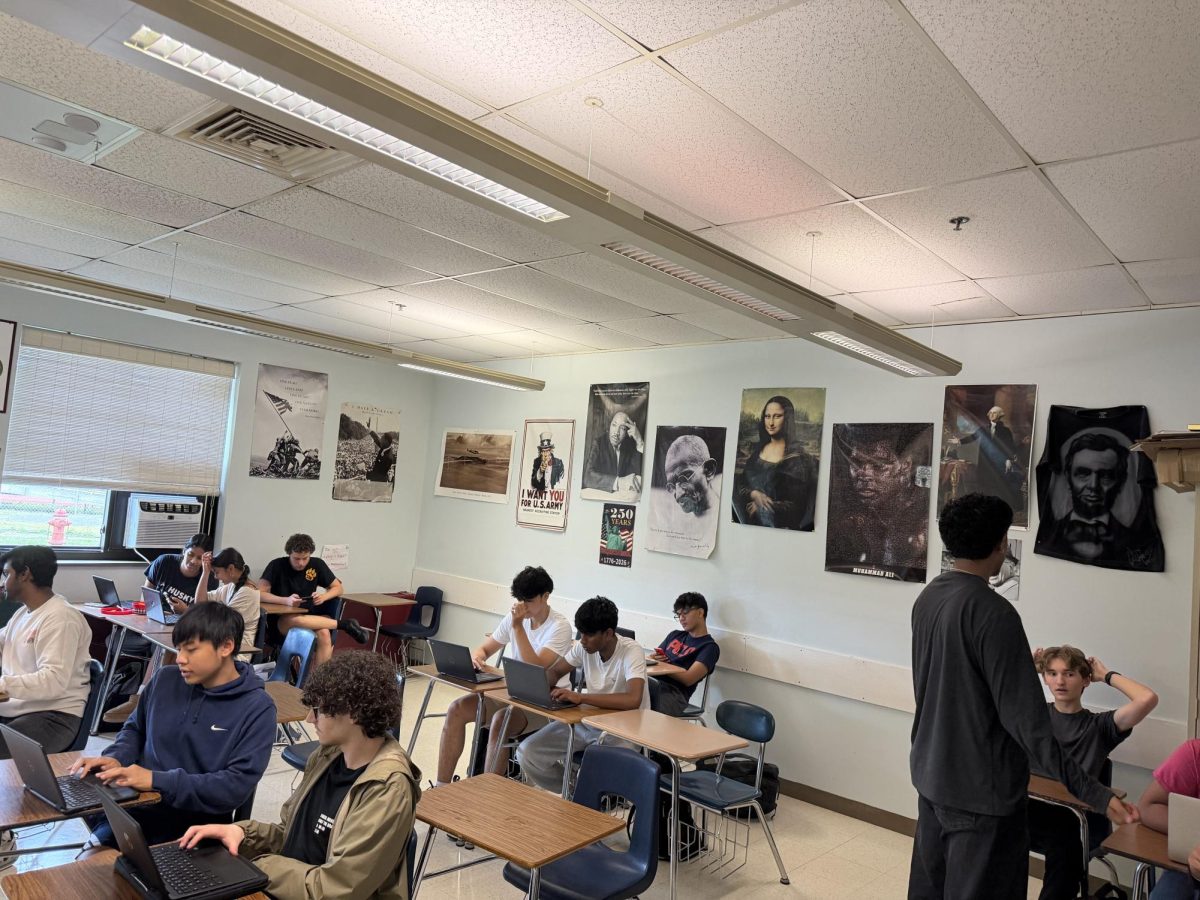
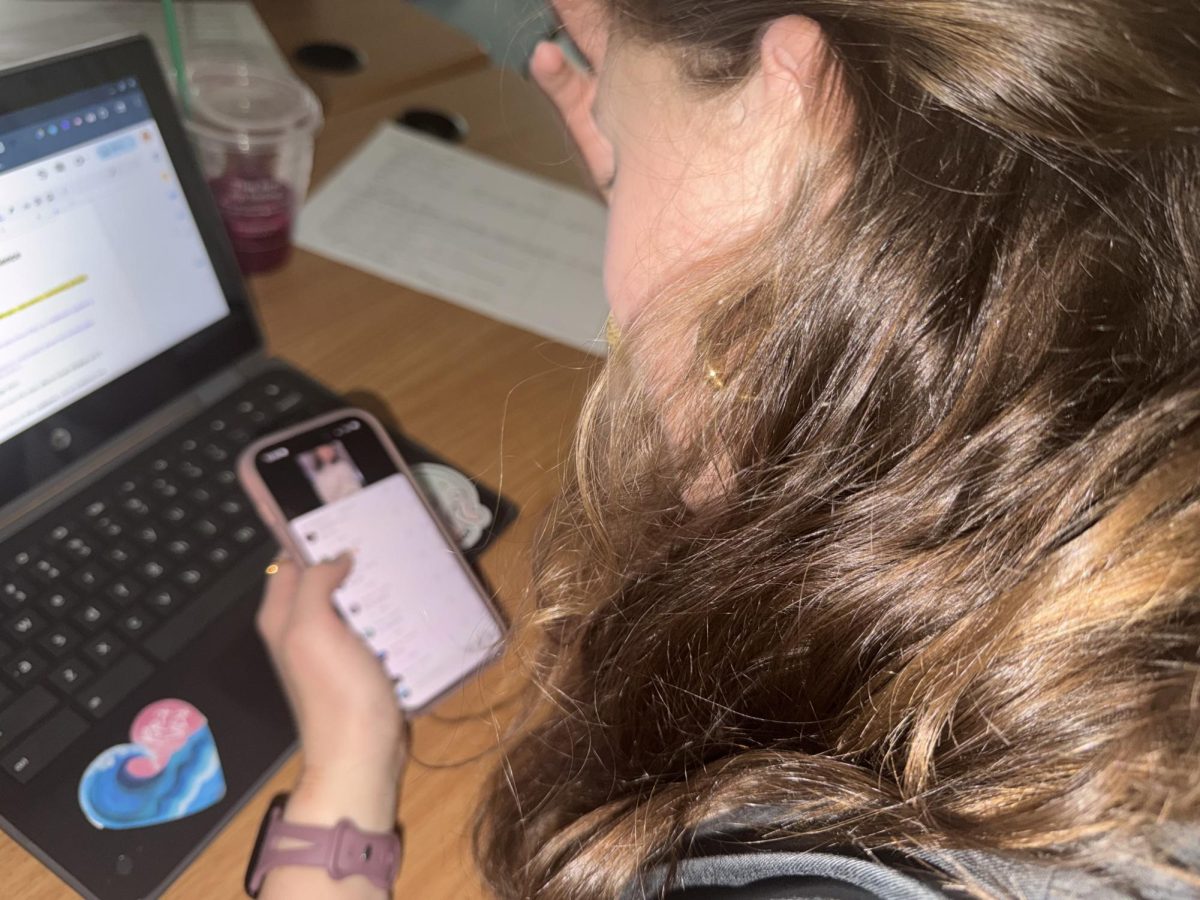
Before, during, and after school, many students spend a lot of time on their phones, with many teenage boys averaging 9 hours and 16 minutes of media use according to American Academy of Pediatrics. Girls, on the other hand, are averaging 8 hours and 2 minutes. This has led to students becoming less connected with others, as during times where they can interact, they are often on their phone instead.
Now, however, the popularity boom of Hacky Sack has made students who have never talked to each other form bonds as they now have a common interest.
“I play Hacky Sack rather than using my phone because it’s usually more fun than just scrolling. It also provides something to do with random new people or friends,” freshman Aashray Veerapaneni said.
It can be seen that playing Hacky Sack has led to students becoming more social and involved with members of the school community by building bonds through playing the game together.