




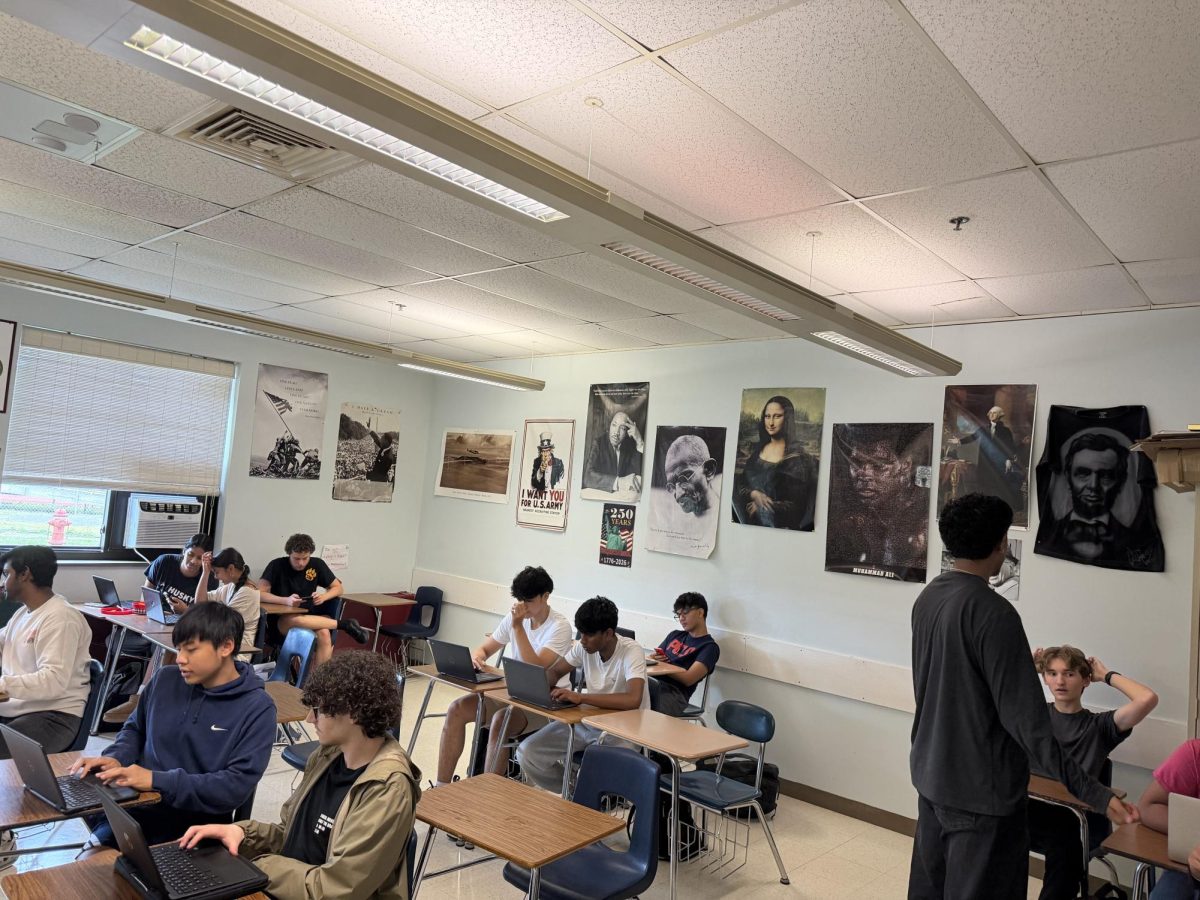







Sophomore Honors English students took argumentative writing beyond the page with a documentary-style performance that challenged students to explore major American values and connect them to the modern school system.
The project required students to create an 8-12 minute documentary using interviews, visuals, narration, acting, editing, and research based evidence to support a central thesis, counterclaim, and rebuttal.
Students worked independently or alongside a partner as they investigated values: equality, freedom, hard work, resilience, and the American Dream. Rather than simply explaining a topic, students were expected to argue how the American education system reinforces or challenges these values in American society.
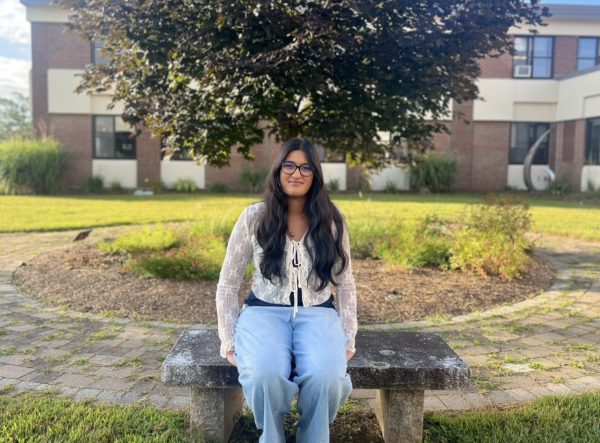
“I think it’s great that we’re trying to learn about new things and getting the opportunity to stand up for what we believe in. I think that’s what makes this project so powerful,” sophomore, Mahima Sasikumar, told The Prowl.
A major focus of this project was the use of rhetorical appeals, including Ethos, Pathos and Logos. Students were expected to carefully balance the 3 strategies to engage audiences and establish a persuasive argument.
Ethos helped students establish credibility, through reliable sources, interviews, and researched evidence. Logos allowed students to support their claims with facts, stats, and logical reasoning. Pathos encouraged students to emotionally connect with their target audience, using visuals, audios, tone and storytelling. Together, these appeals helped students elevate their arguments from presenting information to creating impact and engaging their audience.
Sophomore students have developed their projects through meticulous planning and research, divided into multiple checkpoints, which kept students on task. Their brainstorming includes creating SOAPS Tone analysis, planning rhetorical appeals and how they will be expressed, building storyboards, organizing sources through NoodleTools, before filming began.
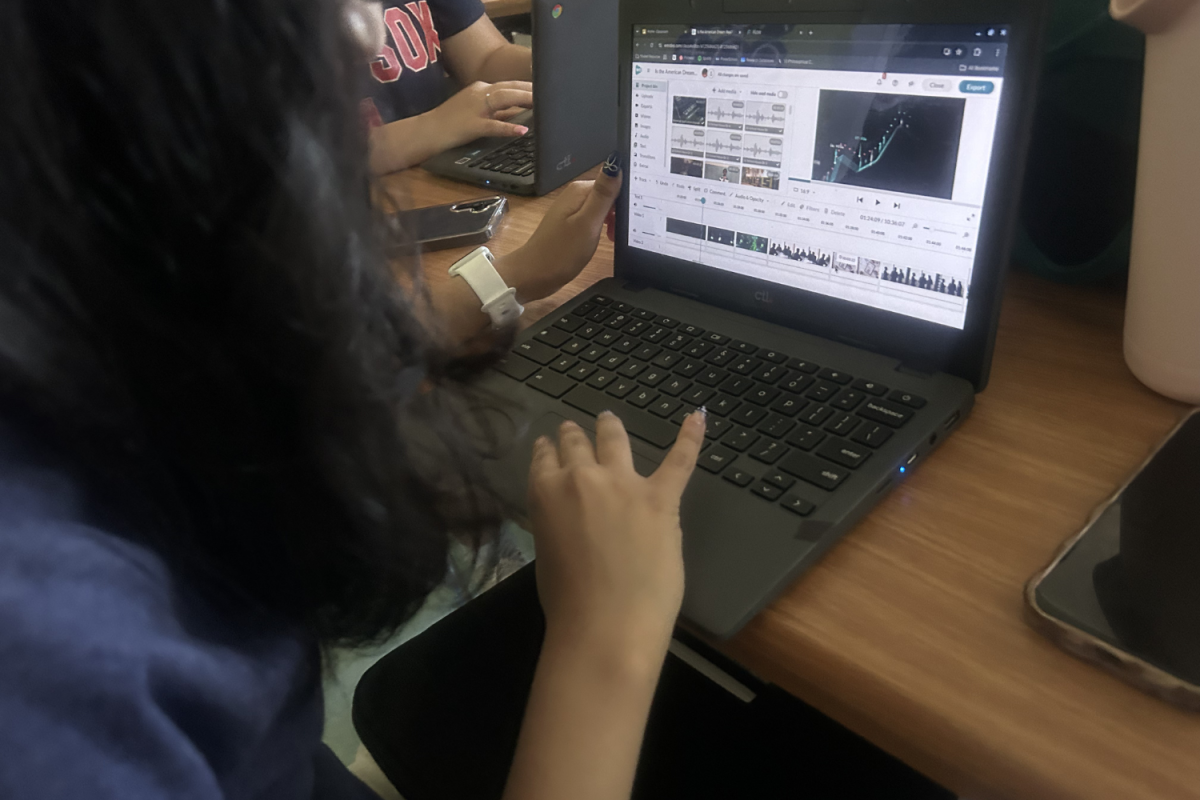
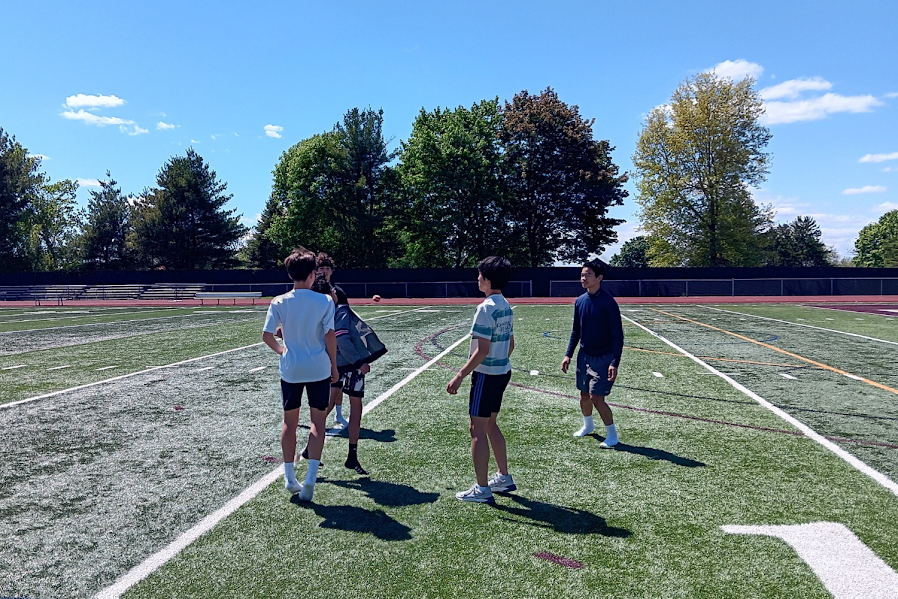
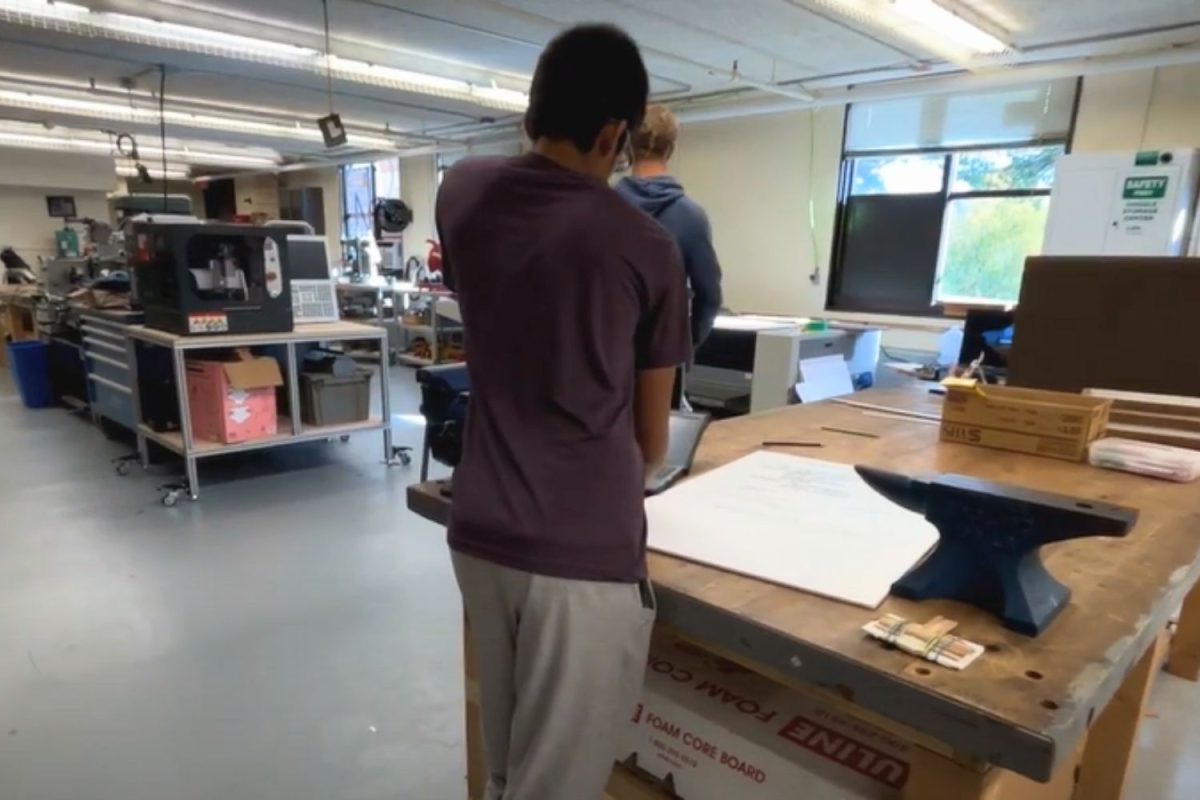
Once students were done planning and preparing their projects, they were allowed to film whatever clips are necessary to convey the message for their documentary, whether it was acting out scenarios, or students narrating. Students also began editing their videos, putting together visual effects, audios, and whatever else they felt was necessary to deliver their message.
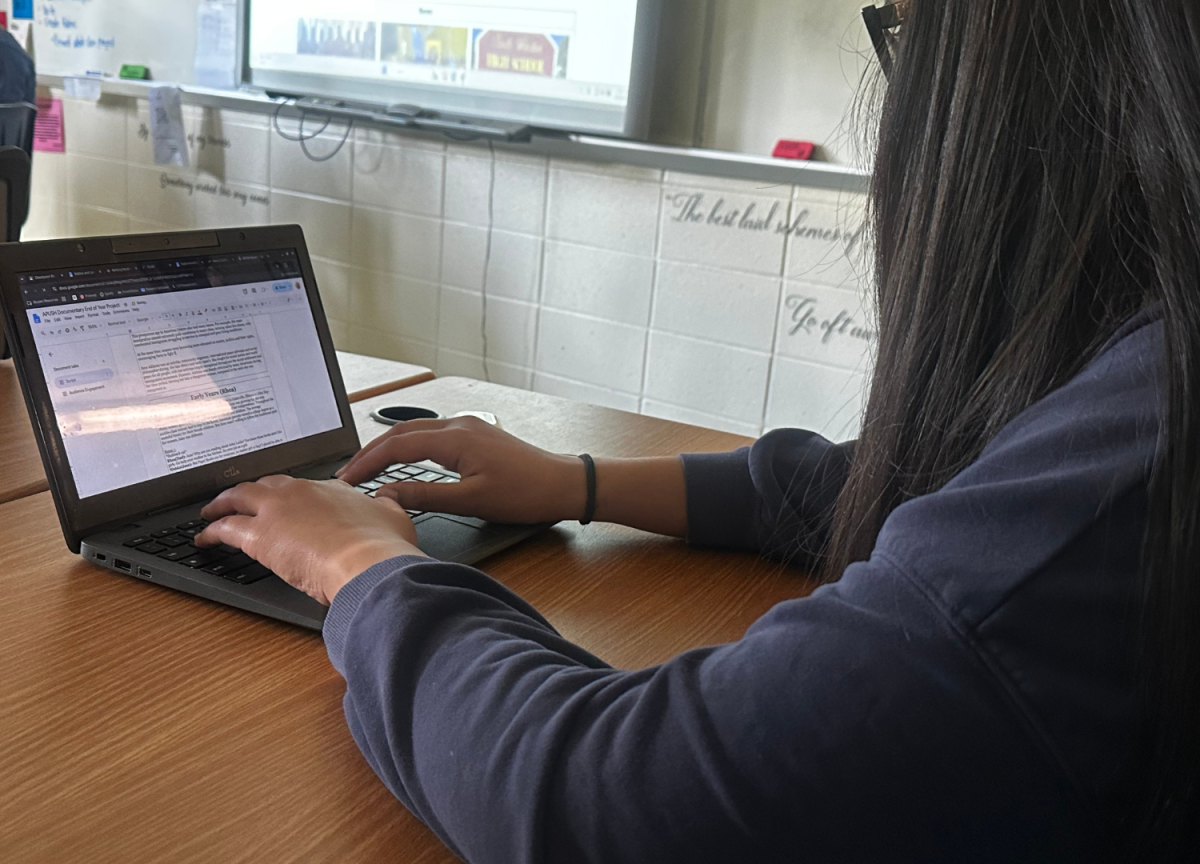
Students were given time in class to conduct their research, write their scripts, film portions of their documentaries, and prepare other elements that best fit.
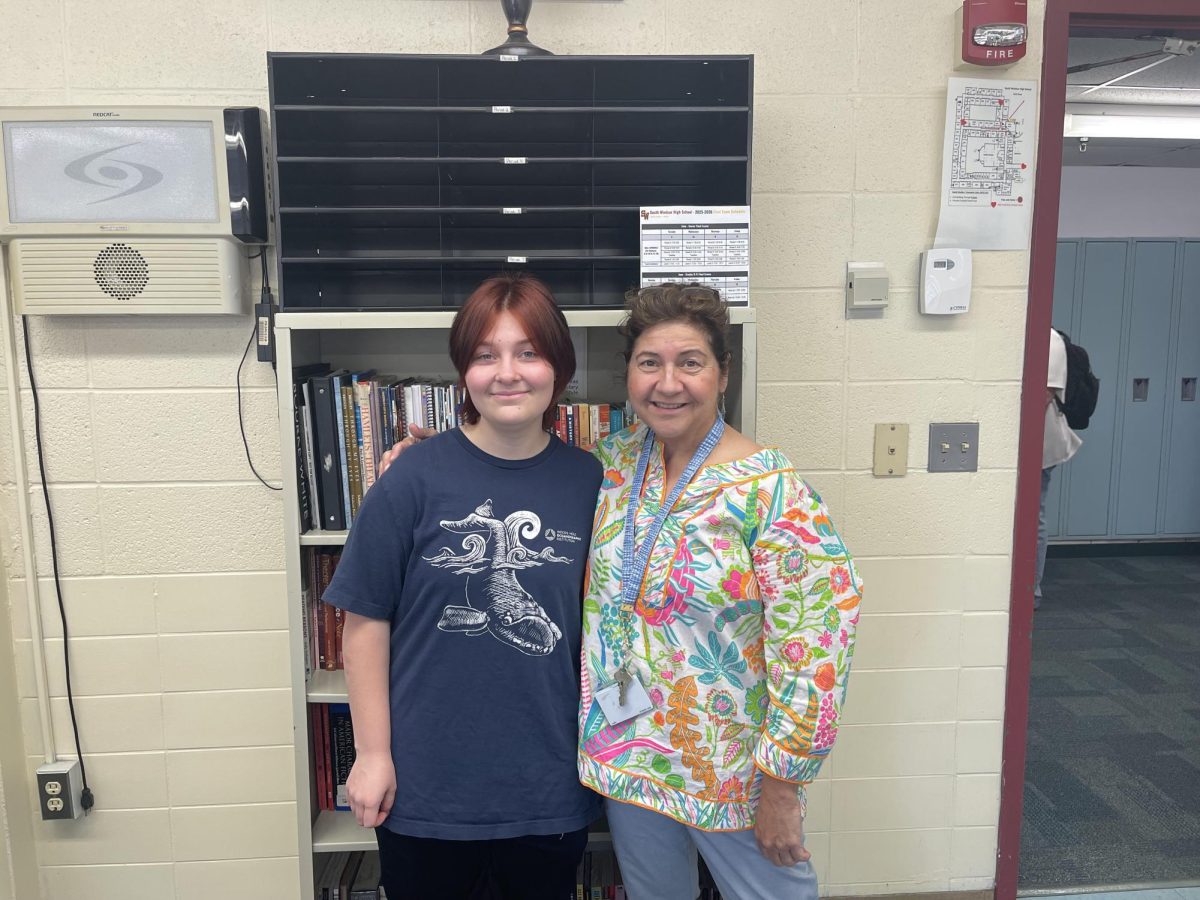
“This video project has taken up a lot of my time, but it seems very meaningful, especially because we’re interacting with how American values interact with everyday life,” said sophomore Penelope Evans to The Prowl.
By the end of the unit, students presented their finished documentaries to the class and participated in a short Q&A discussing their arguments, rhetorical choices and creative process. This documentary format tested students in their analytical writing, understanding of rhetorical appeals, and production skills.