













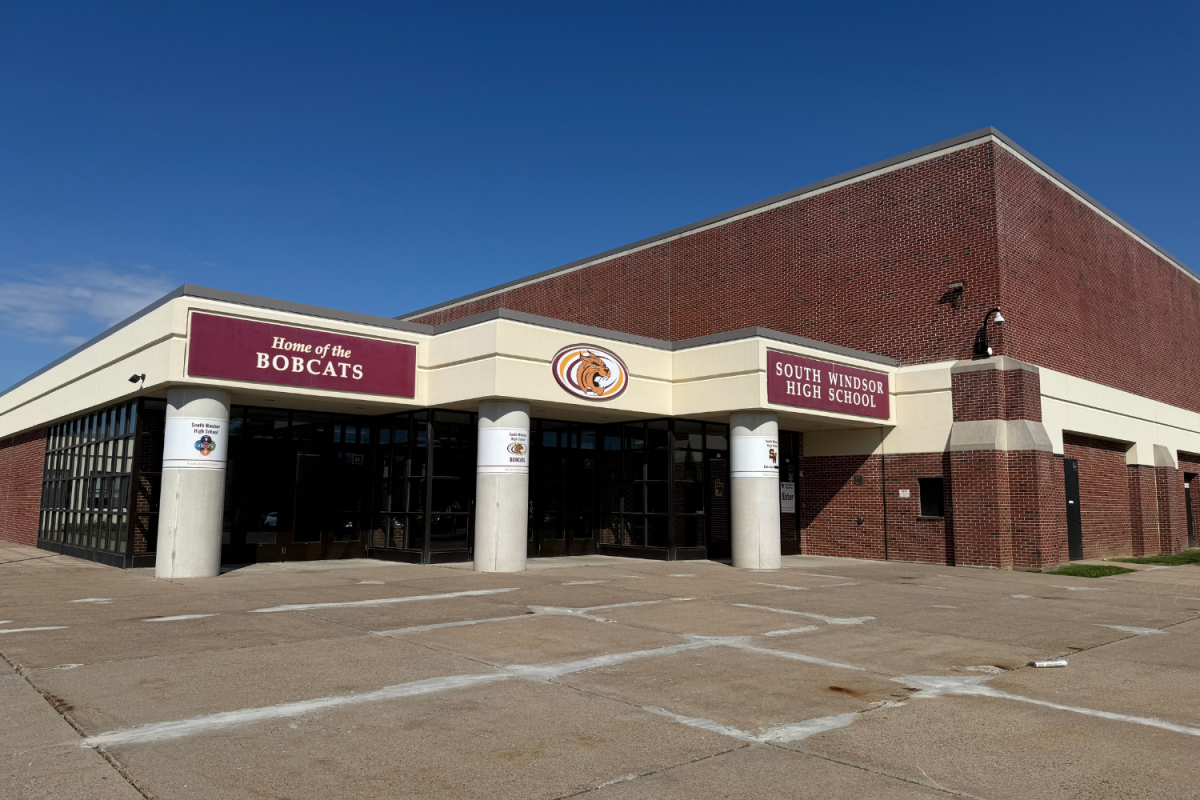










South Windsor High School has many classes that students find fun and interesting, however one class that stands out from the rest is the Introduction to Zoology course. Zoology is a great way to learn about the importance and beauty of different living organisms.
The Introduction to Zoology course teaches students to move beyond textbooks and diagrams and step into a real world of exploration where observation, curiosity, and experiments come together.
One activity in the class that is very popular and the most exciting is dissection. It gives students an opportunity to look inside a living organism and observe its structure and functions. Even though the dissections may seem disturbing at first, it teaches students to carefully handle biological specimens.
The process of carefully examining organs, studying their connection, and relationship with each other to understand their role in our environment helps students recognize the beauty and importance of living organisms.
Another important topic in this course is the study of fundamental concepts. This includes classification, evolution, and animal behaviour. These lectures allow students to determine the similarities and differences between different organisms.
“This course has helped me understand the importance of different living organisms on earth,” South Windsor High School senior Leilani Boyde said.
Throughout the class, students have examined numerous different organisms, including sea stars, crayfish, perch, frogs, and even a dogfish shark. Each specimen gives students a chance to explore the different animal structures and their functions. At the end of the process, students get to compare the different animals and their structures, allowing them to apply what they learned in a real world scenario.
“A great, memorable experience for zoology students is learning about each of these phyla and then seeing their learning in a dissection,” South Windsor High School teacher Anna Cotton told The Prowl.
The most fascinating specimen to be examined this year has been the dogfish shark. This dissection was not performed in small groups but instead was performed collectively as a class. The procedure was led by Cotton, giving students a chance to explore the anatomy of a shark.
An interesting aspect of this dissection was that the female shark was pregnant with 2 babies, which gave students a golden opportunity to learn more about development of the baby sharks inside the mother’s body.
During dissections, students are provided with dissecting tools and a dissection tray. Safety comes first, it is necessary to wear gloves and goggles properly before starting the procedure. Teachers guide students throughout the process and make sure they are handling tools properly and staying safe.
From examining crayfish to dissecting a dogfish shark, each lab experience has made zoology both challenging and memorable, inspiring curiosity about the natural world.
