
























A young woman waits alone in the quiet lobby of an abortion clinic. Her hands are clenched in her lap. Seconds stretch into an unbearable silence, each tick of the clock echoing the weight of the life she carries. The choice before her is filled with uncertainty, fear, and quiet questions about what comes next – and who that child might have become.
While Connecticut law protects a woman’s right to abortion, the issue extends beyond legality. Scientific research on human development presents a foundational question at the center of the debate: when does life begin?
Modern embryology indicates that human life begins at fertilization, when a sperm and egg combine to form a zygote with its own unique DNA. From that moment, development follows a continuous and coordinated process. According to the American College of Pediatricians (2017), “from the moment of cell fusion, the embryo functions as a living being”. This perspective emphasizes that the earliest stages of development represent more than a collection of cells, but rather the beginning of a distinct human organism.
Groups such as Students for Life further argue that even at this earliest stage, the unborn possesses its own identity and developmental path. Scientific understanding of early human development continues to shape discussions around abortion, raising questions about how society defines and values human life from its very beginning.
Ethics and Moral Responsibility
Scientific perspectives on human development are closely tied to ethical considerations about personhood and responsibility Philosophers and scholars have long debated when human life gains moral status and what obligations society holds toward it.
Francis J Beckwith, an American Philosopher argues that if a fetus is considered a human person, it cannot be harmed without serious moral justification. Similarly, Ivana Sazdovska raises questions about when personhood begins and who has the authority to define it. These ethical discussions are not abstract – they influence laws, policies and the way individuals understand the issue.
At the same time, abortion is often framed around autonomy and personal choice. Supporters of abortion rights emphasize a woman’s ability to make decisions about her own body, while others argue that ethical reasoning must consider the developing life within the womb. This tension reflects a broader societal challenge: balancing individual rights with questions about the protection of human life.
Research has also examined the potential emotional and psychological impact of abortion on women. Reports from the Charlotte Lozier Institute suggest that some individuals experience regret or mental health challenges following the procedure, though these findings remain debated regardless they highlight that abortion is not only a medical or legal issue, but one with lasting human and emotional dimensions.
Student Perspectives and Limited Exposure
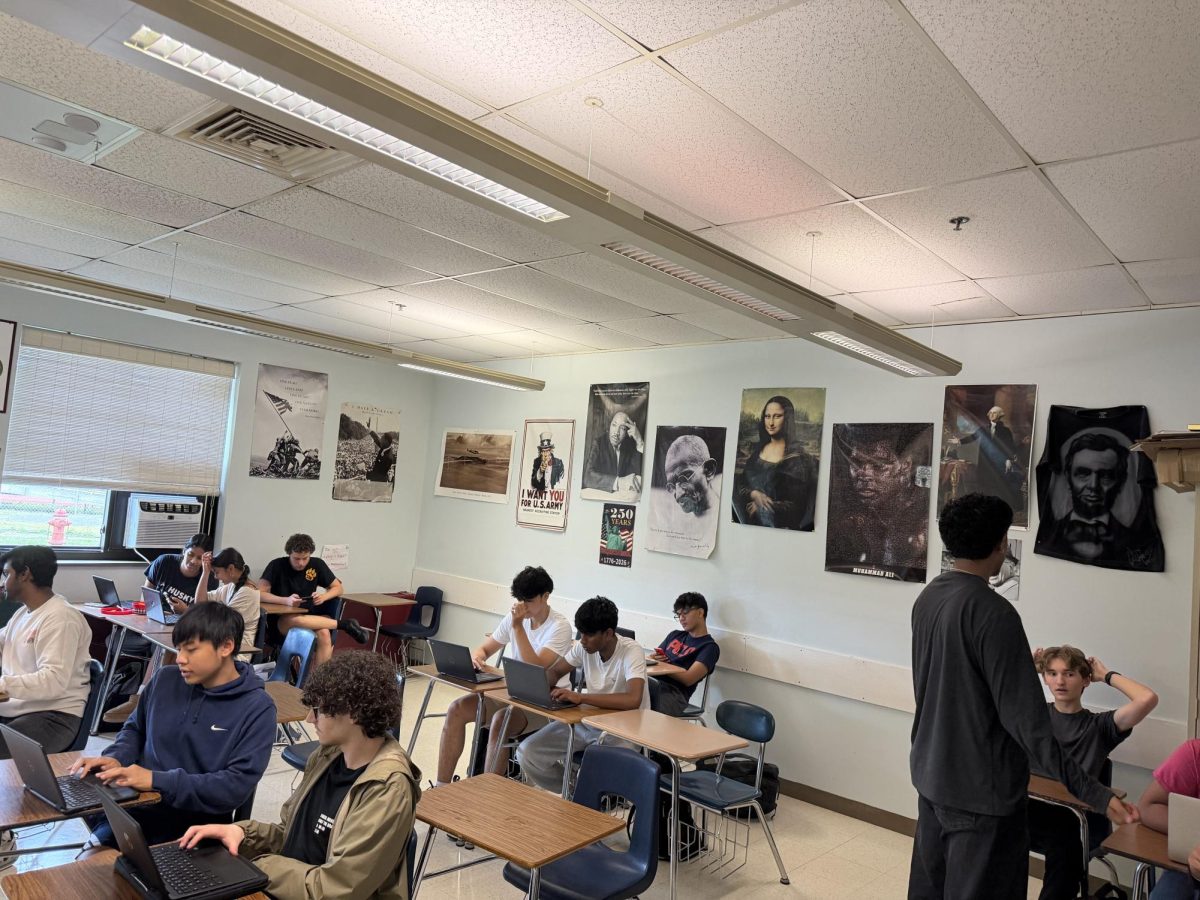
In South Windsor, student perspectives on abortion are often shaped by the information available in their environment. School discussions, peer conversations, and social media all play a role in forming opinions, but they do not always provide a full or balanced understanding of the issue.
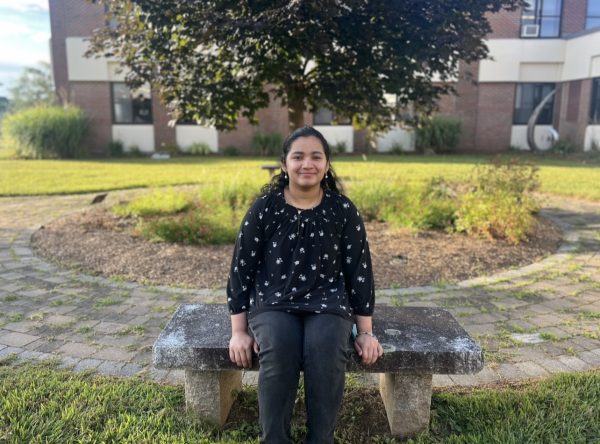
Ayush Singh, a senior at South Windsor High School, said the topic is rarely discussed openly among students.
“I haven’t heard about it really as much, since it is not something that is really discussed that openly. I think it was when I was a freshman, it may have come up once or twice in health class.”
Many students are exposed to simplified narratives that focus primarily on one side of the debate, often without engaging deeply with the scientific or ethical complexities involved. As a result, opinions are frequently formed based on limited information, making it difficult for students to critically evaluate different perspectives.
Social media plays a significant role in shaping these views.
“Especially when we see clips online we don’t have the full context, it can still influence what they think, despite not having all the information,” Singh explained.
This lack of exposure also makes it difficult to understand how the issue affects the local community.
“It’s very hard to say if this issue affects someone in our community, since it is rarely talked about,” he said.
Despite this, Singh acknowledged that perspectives can evolve over time and that the issue is more complex than it may initially appear. He also pointed out that many students support abortion rights because of a desire for personal freedom and autonomy.
However, the limited depth of these discussions raises an important concern: if students are not being exposed to scientific evidence about human development or ethical arguments about the value of life, their understanding of the issue remains incomplete. Without that foundation, meaningful engagement with the reality of abortion—and its impact on human life—is difficult to achieve.
Local Impact and Looking Forward
The impact of these discussions extends beyond theory into the South Windsor community. Students today are future voters, policy makers and members of society whose perspectives will shape how issues like abortion are addressed. Without access to comprehensive information, their ability to engage thoughtfully with these topics may be limited.
Creating spaces for open dialogue – whether in classrooms, student organizations, or community settings – can help bridge this gap. Exposure to a wider range of perspectives allows students to move beyond surface-level understanding and engage more deeply with complex issues.
At the same time, the human dimension of abortion remains central. The young woman in the clinic lobby represents a reality that exists beyond statistics and policy debates. Decisions surrounding abortion affect individuals, families and communities in deeply personal ways.
As Connecticut continues to navigate the legal and social landscape of abortion, the role of education and awareness becomes increasingly important. Encouraging thoughtful and informed engagement can help ensure that discussion around life, law, and conscience reflect both knowledge and understanding.