





















Six years ago, the world stopped. Schools shut down, routines disappeared and fear became a part of everyone’s life. What was supposed to be a temporary shutdown, quickly reshaped life itself. Friday March 13th, 2020, marked the beginning of the lockdown in the U.S after the outbreak of Covid, or what many consider as the last ‘normal’ day.
It was late December in 2019, when the Corona Virus first struck abroad in Wuhan, China. After that it began to spread like wildfire to other countries. This put the U.S on high alert. However it wasn’t till January of 2020 when the first case of Covid appeared in the U.S. By March it was a national crisis.
By March of 2020, the U.S. had declared a nationwide pandemic, the spread of COVID-19 was considered a national emergency. Citizens were forced into a mandatory lockdown, with mass closures of all public venues, a mass increase in sanitation products, and multiple travel restrictions being implemented. This caused an impact on millions of people.
The outbreak did not only force people into their homes but forced all schools to go into a shut down. No one could be in the building in person. At the same time, many believed it would last only a few weeks. Instead, the pandemic lasted for over 3 years before people felt safe returning to their old life.
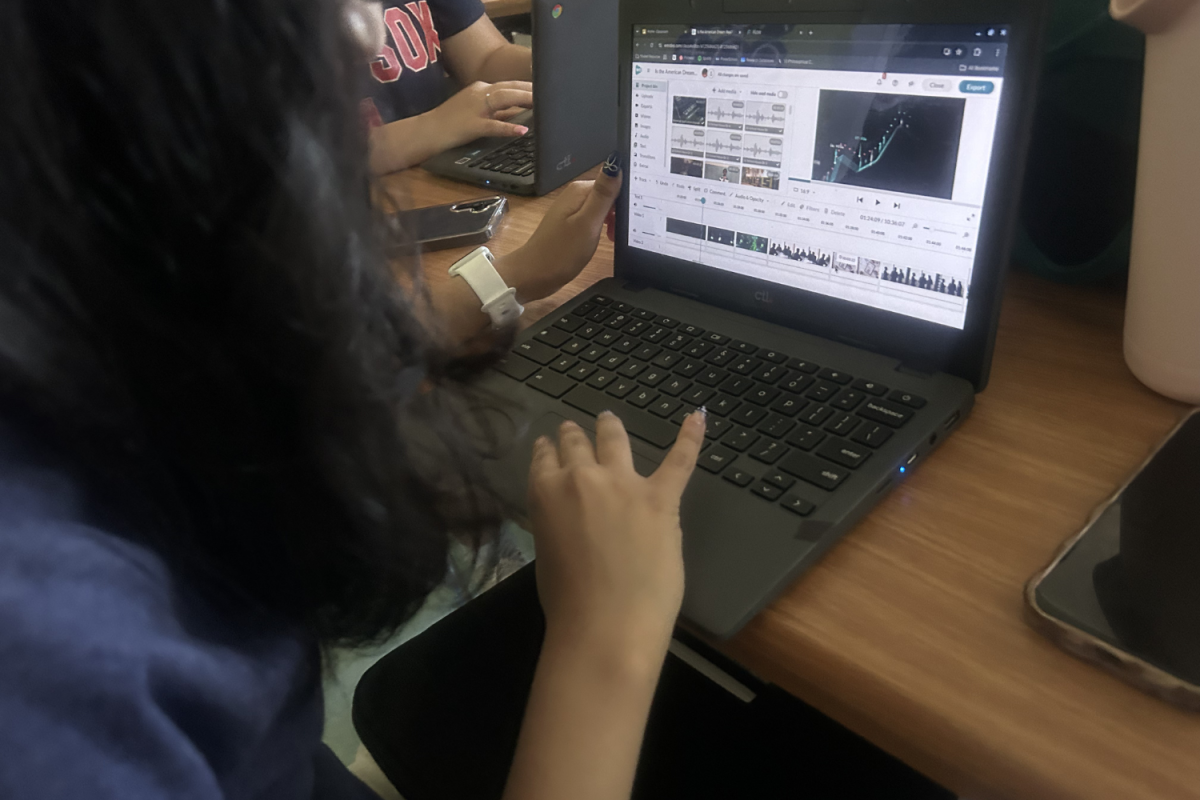
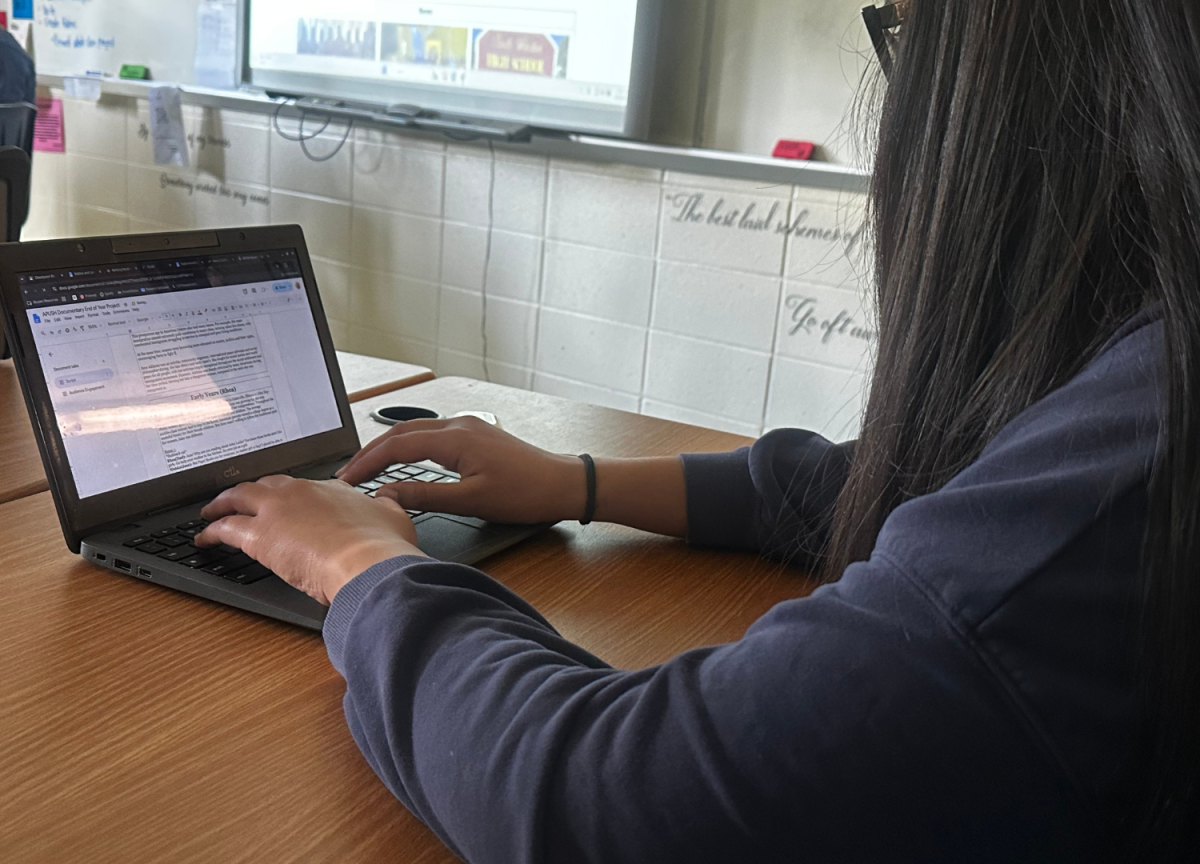
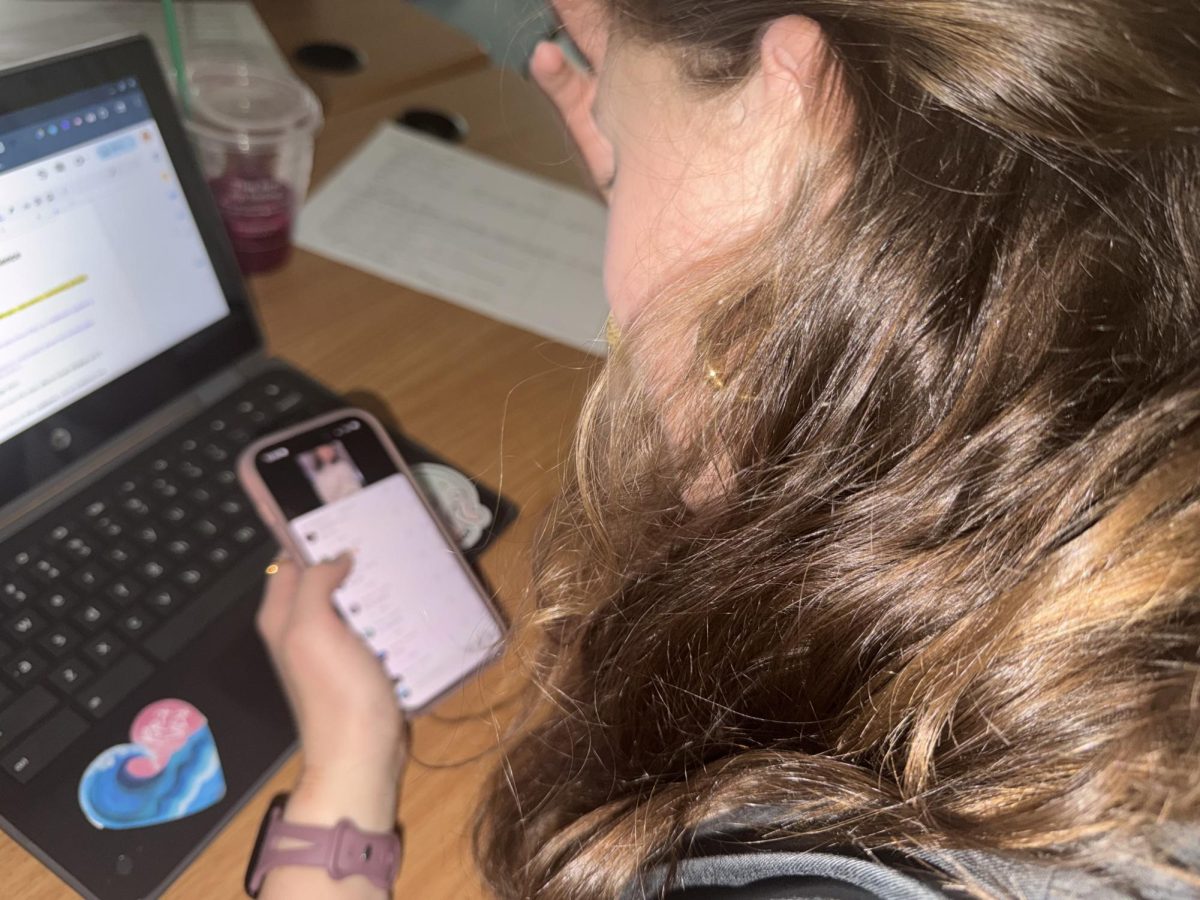
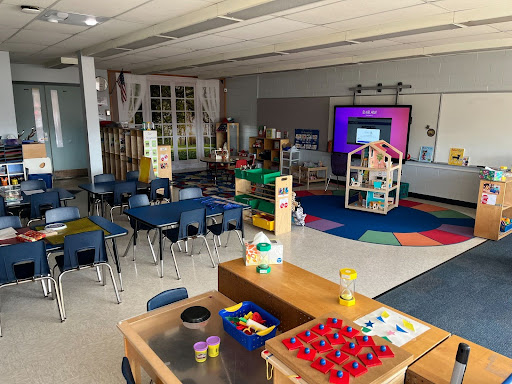
For students, the impact was especially significant. Classrooms came to the homes of many young kids, and learning became isolated rather than interactive. Many students struggled with motivation, distractions and lack of connection. Even now, many students feel the gap COVID left in their academic lives while others noticed an impact on their social life.
“It was difficult to express emotions and carry out one on one conversations, ” Kim adds.
According to WHO, the economic and social disruption caused by COVID led to an increased population of malnourished and those in poverty. It was estimated that the number of people in poverty would go up from 690 million people, to 820 million people.
Nearly half of the world’s 3.3 billion global workforce were at risk of losing their livelihoods. These workers risked job security, access to public healthcare and productive assets, making it hard for them to keep their family afloat. Those in low income countries which lack resources and were marginalized were most vulnerable to the pandemic.
However, the pandemic also brought greater awareness to both physical and mental health, making it a more open and important conversation during this time of isolation. People began to embrace creativity in their own homes by making videos, creative hacks, and different arts.
The pandemic also exposed how society was unprepared to handle a global crisis such as COVID. While advancements like vaccines and digital learning show quick innovation to tackle major problems, the spread of misinformation regarding the pandemic caused widespread confusion and fear around the world. Even today, questions remain about whether enough has been done to prepare for future public health emergencies.
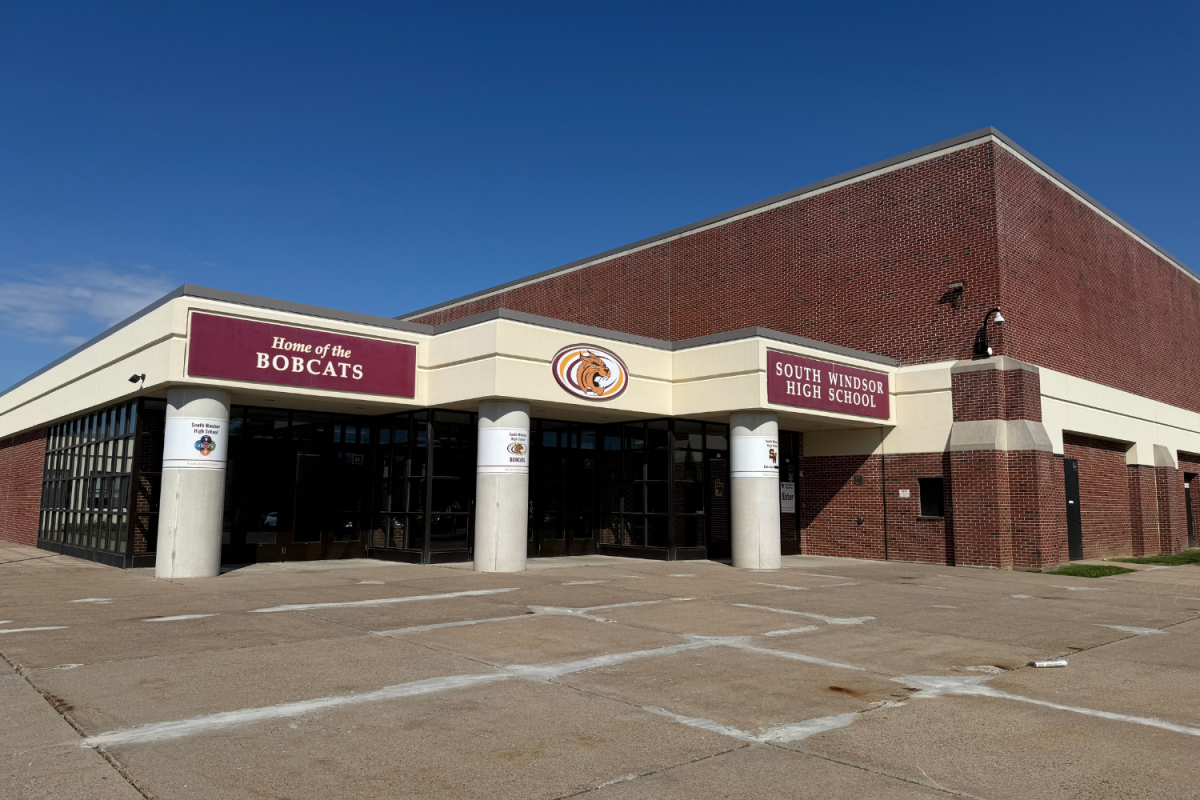
In South Windsor, police and town staff utilized specialized personal protective equipment (PPE), screened calls for covid risks, and operated under a public health emergency through early 2022. The town continued to operate its food bank and food assistance programs for residents, as well as focusing on mental health programs for the youth and providing support groups, bereavement services, and counseling to help residents.
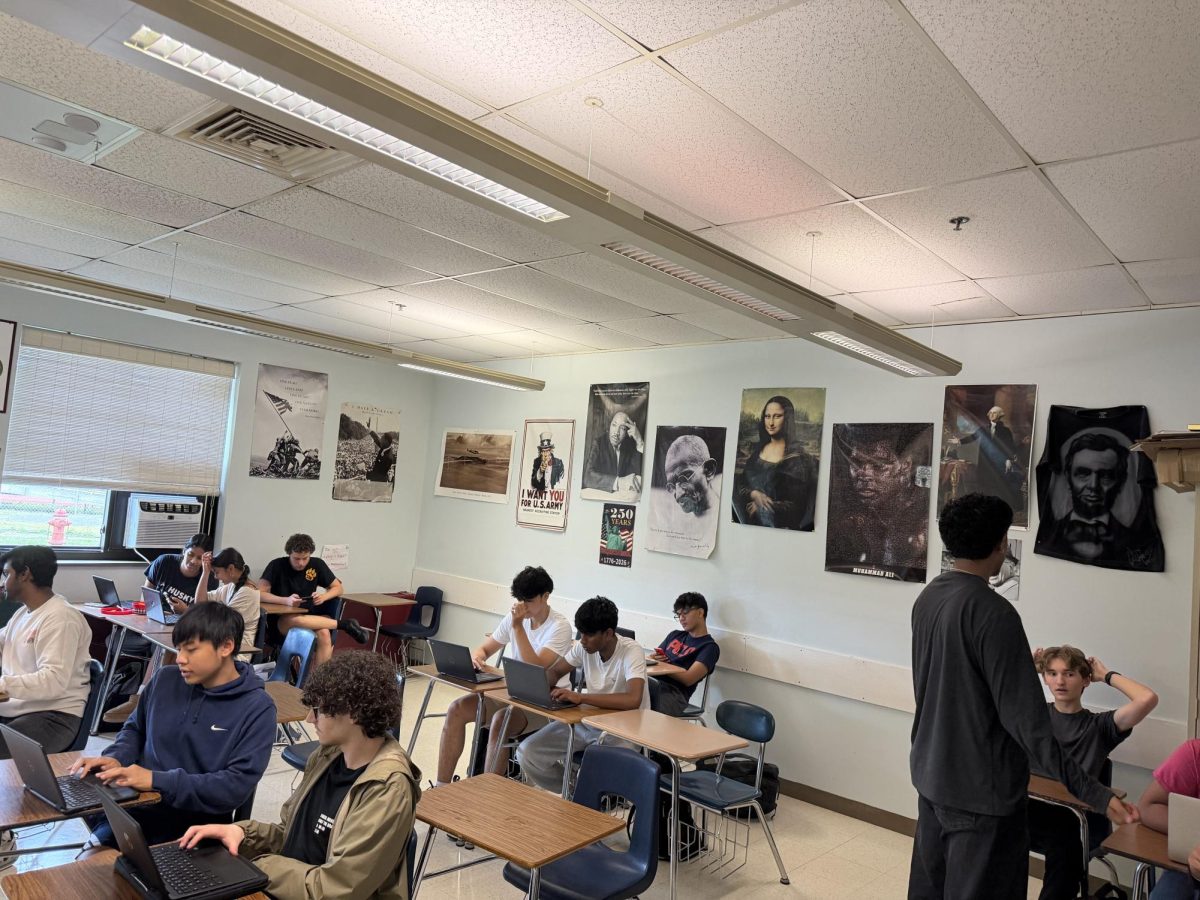
In South Windsor, many students noticed a rift in the community, where residents overall became more isolated, and socializing was much more difficult after the pandemic. There were also debates in town over mask mandates and dealt with an economic shift that hit small, local businesses harder than larger, adaptable retailers.
“[Covid] resulted in strict rules in places regarding masks, social distancing, etc, making everyone more isolated in a way, rather than bringing the community together.” says Amariah Luci, sophomore attending South Windsor High School.
The South Windsor community was able to maintain their community through focusing on community engagement with residents of all ages. The town attempted to bring back that sense of normality by resuming traditions such as the Wapping Fair. South Windsor also used funds to provide behavioral health services to residents, addressing anxiety and social isolation through partnerships with local health organizations.