











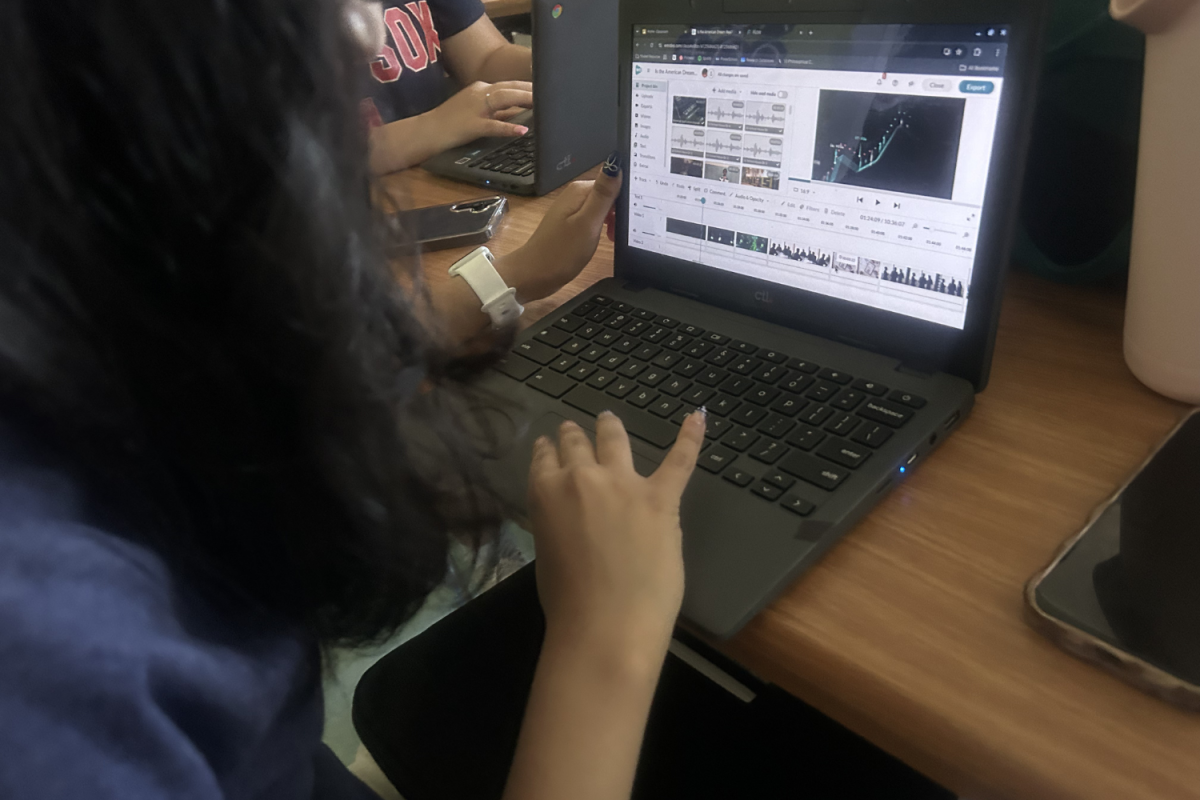
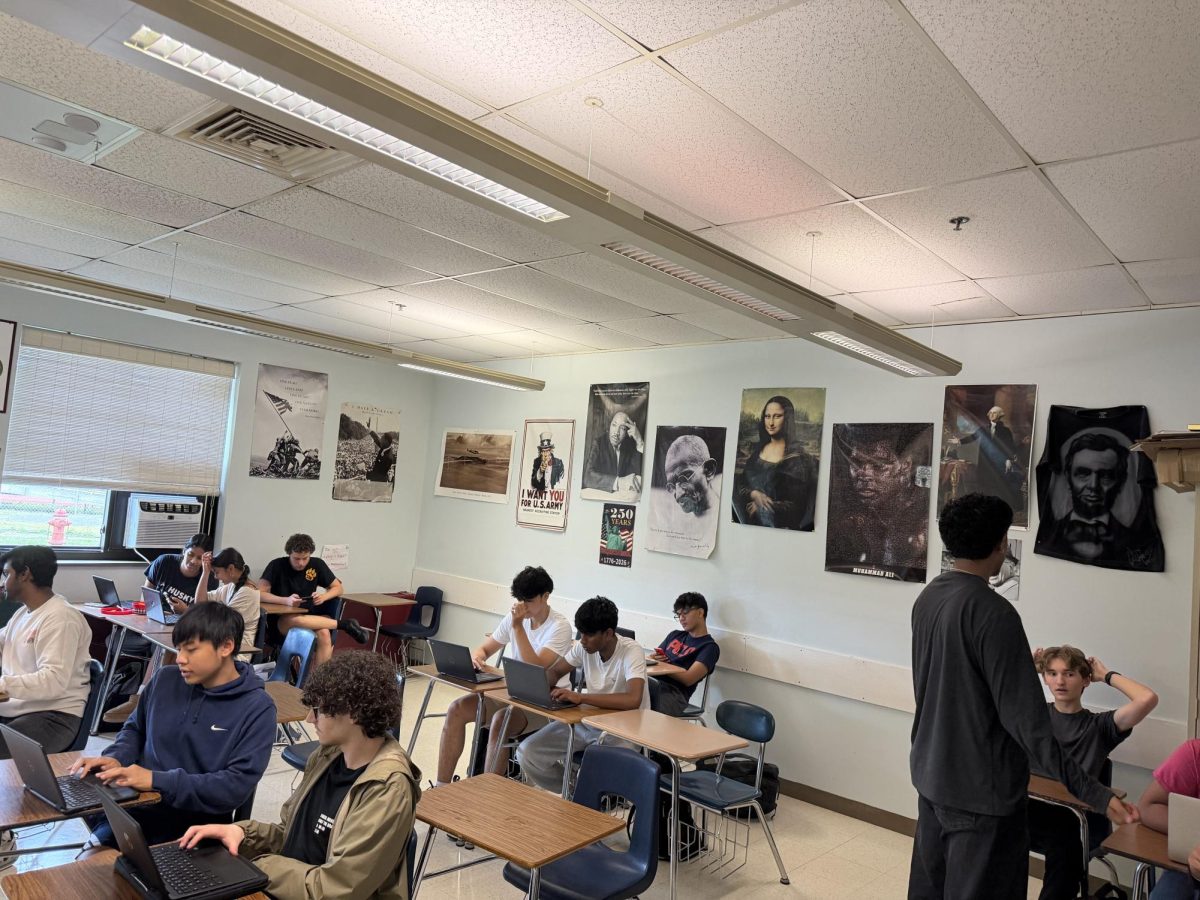









The CT Journalism department at CCSU has taken up multiple initiatives in order to inspire a new generation of individuals to pursue the field of journalism. One of those programs is hosted at Central Connecticut State University, allowing high school students to get a jump start on their journalism career, or simply observe the resources they have to enrich their potential future in the field of journalism.
Journalism is a pathway that has recently been ‘on the outs’ so to speak. With the rise of Artificial Intelligence and generative technology, fewer and fewer individuals receive their information from reputable news outlets, i.e., journalists.
Most Americans hold the belief that A.I will have extreme adverse effects on journalism, with a survey conducted by the Pew Research Center indicating “Roughly half of U.S. adults say that AI will have a very (24%) or somewhat (26%) negative impact on the news people get in the U.S. over the next 20 years.”
A.I. threatens credibility and authenticity of news information. With the ease of generating whatever information one could desire, and the striking similarities these imitations hold to real news outlets, the spread of misinformation has risen exponentially in recent years. The United Nations commented on this matter when they posted the following on their website: “AI tools are being used maliciously to generate convincing but false content, including articles, images, audio clips, and deepfake videos. This makes it harder for the public to distinguish fact from fiction.”
On the ways in which individuals receive information, the U.N ascertains that “audiences increasingly turn to social media platforms where professional journalism must compete with unverified and often misleading content.”
The waning number of individuals who wish to pursue a career in Journalism is telling of the future of the field. According to the U. S. Bureau of Labor Statistics, employment of reporters and correspondents is projected to decline by 11% from 2022 to 2032, which is in addition to the already difficult process of attaining a job in the field. This is coupled with statistics indicating that Journalism is among the most regretted majors, with a survey conducted by CNBC showcasing that 87% of graduates regret majoring in the subject.
In the state of Connecticut, the stats very much reflect this national decline in Journalism interest. State data indicates that fewer than 300 students statewide are participating in journalism or media related pathways, given a report from this past year. Compared to other pathways like business or health, with enrollment numbers in the thousands.
Journalism programs in the state exist, but are often offered as clubs operating outside of school rather than stable courses or potential pathways. CT public school data shows that most schools run student newspapers, magazines, and broadcast clubs. One school in particular runs a magazine with only 10 students involved, fighting for the opportunity to participate in journalistic activities with limited resources.
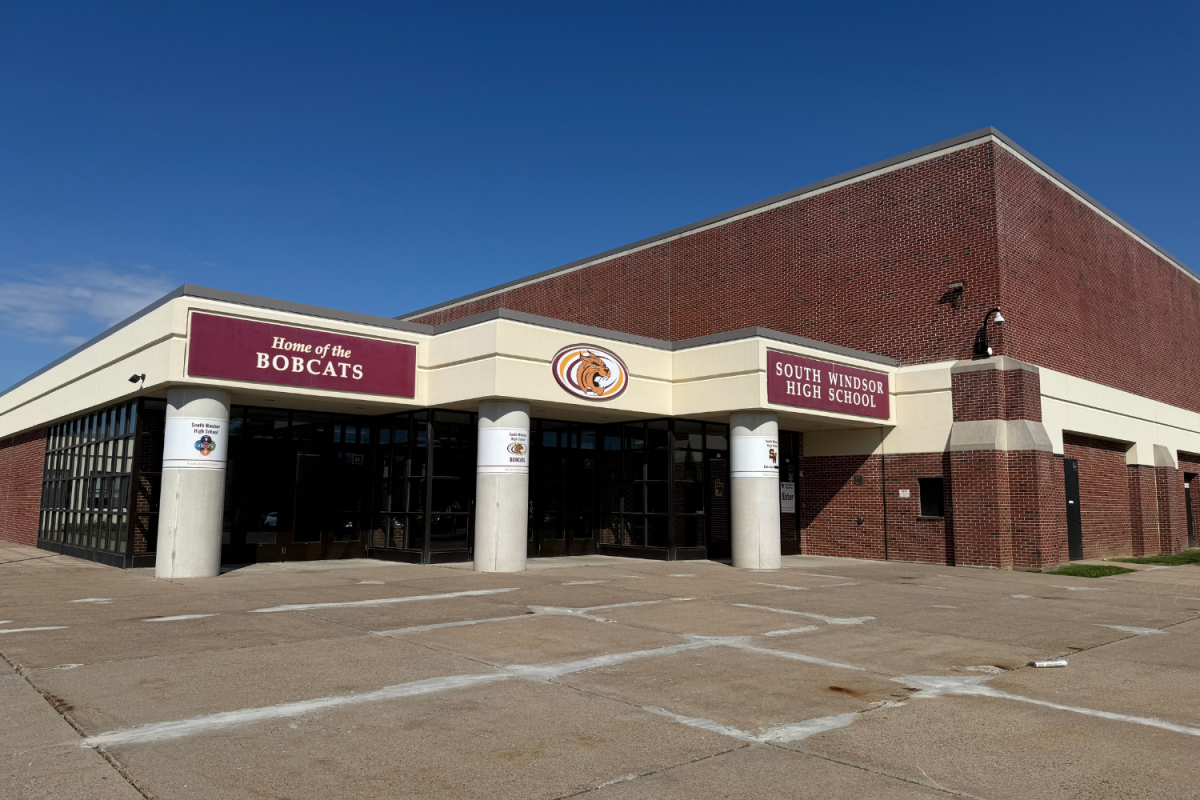
Even at South Windsor High School, journalism interest has decreased in recent years. Enrollment patterns indicate that out of 50 students enrolled in journalism this current year, only 37 of them are planning on continuing with the course next year. But according to editor-in-chief of The Bobcat Prowl, South Windsor High School’s student newspaper, Eliza Blanchfield the need for this program is critical.
“High School journalism gives teenagers an opportunity to learn how to communicate with an audience beyond the classroom,” Blanchfield said. “It provides a platform for students to express their opinions, build connections within their communities and engage with issues in meaningful ways.”
All this to say, real journalism is dying. It is of the utmost importance that we foster an environment for future journalists. The need for reliable news and information is never going to decline, and promoting the field to a new generation of passionate journalists is imperative. Programs encouraging this in the heart of Connecticut include the aforementioned initiative made by Central Connecticut State University.
According to their website, “Through partnerships with schools across Connecticut, Central offers dual and concurrent enrollment programs that enable students to earn college credit through courses taught in their high school or on the Central campus. It’s a smart, affordable way to experience college-level academics early and build momentum toward your future.”
“Connecticut lags behind many when it comes to sustained journalism education in high school,” the Chair of the Department of Journalism at Central, Vivian Martin, said. She also emphasized the importance of programs like these.
“Less than half of schools run journalism courses. Not only are we losing newspapers, we have gaps in education,” Martin said. “Teenagers are not news carriers (paperboys and girls) the way they once were, and they don’t report news. Our department believes high school journalism is important for the future of journalism and democracy. Students need exposure to news and journalism as part of civic education.”
Martin emphasized that currently less than half of the high schools in Connecticut have journalism classes. And more courses are cut every year due to lack of funding for websites or the ability to print papers.
“Even fewer [Connecticut high schools] have student newspapers,” Martin said. “We feel students are missing an opportunity to play a role informing their communities. We also find fewer schools are able to take advantage of concurrent enrollment programs with universities such as ours.”
Blanchfield concurs, believing that journalism courses in high school helps to empower the next generation of journalists. “These programs teach students the value of information, and the responsibility that comes with sharing it.”