




















In 2020, a global pandemic unexpectedly altered daily life around the world. Closer to home, COVID-19 reshaped how students in South Windsor schools learn and function.
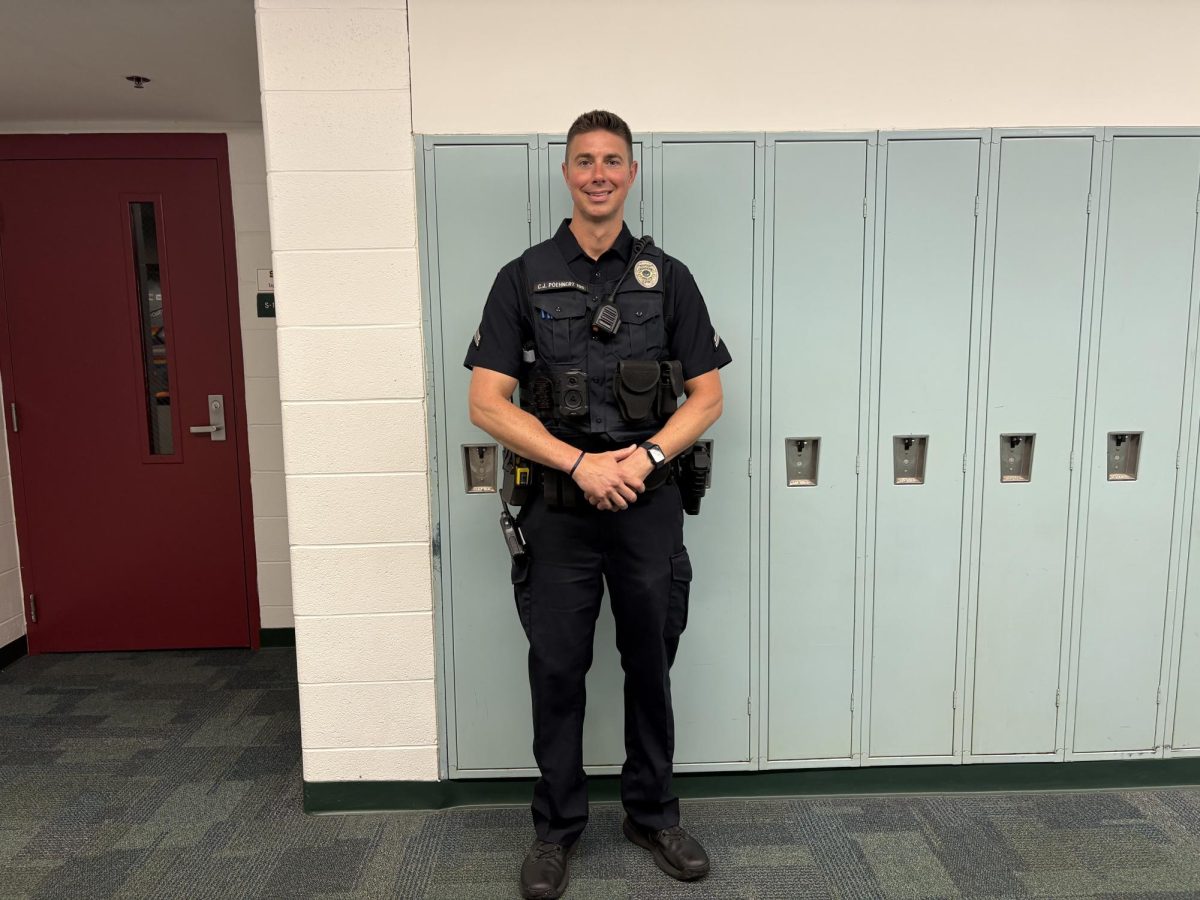
Prior to the shutdown, students who attended Timothy Edwards Middle School were required to store their belongings in lockers. For many incoming sixth grade students, the summer before middle school included practicing locker combinations, in order to learn the skill before the school year began.
However, most high school students today are unable to open lockers, and have declined the opportunity to learn. This once critical skill, and part of a student’s daily socialization, has been replaced with roaming the hallways endlessly in groups.
Additionally, students once saw the classroom as a space to invest themselves in their work.
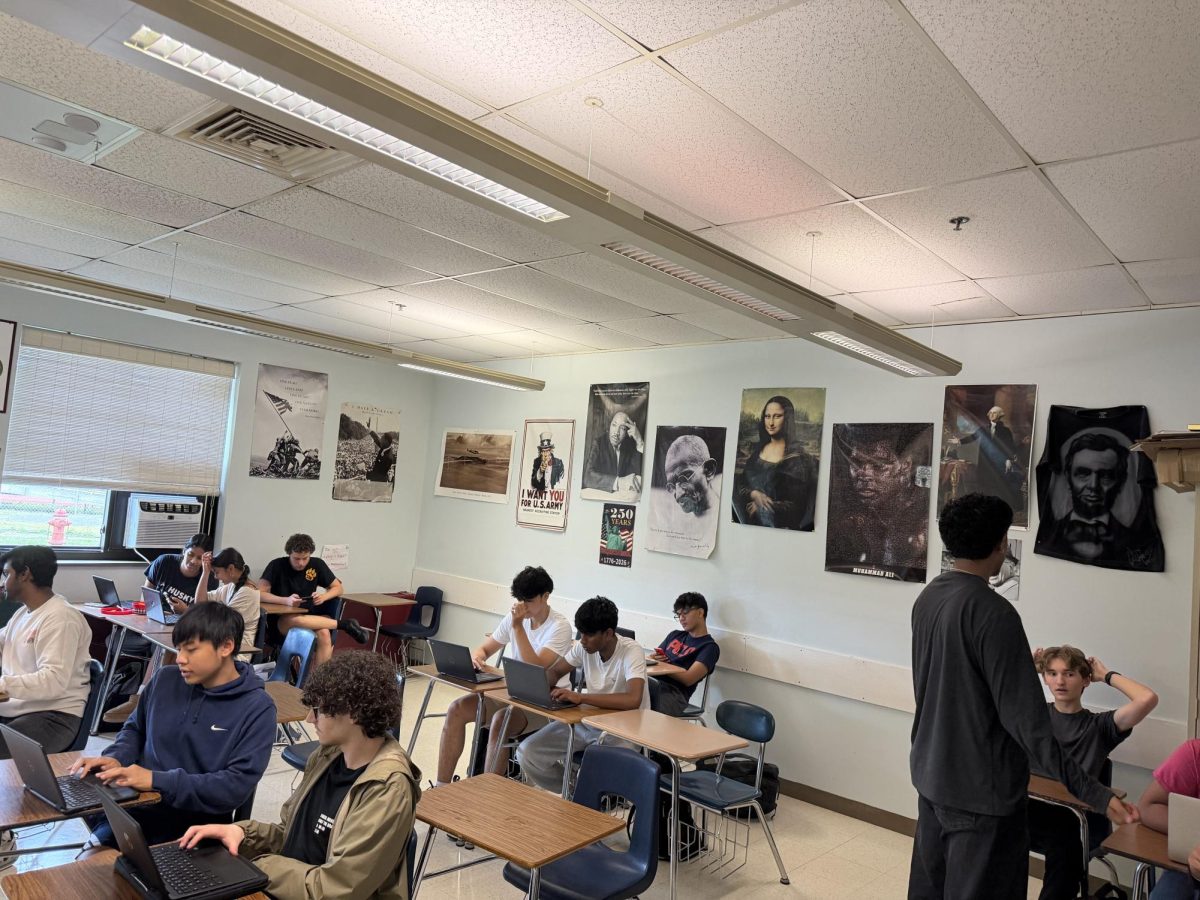
In-person learning fostered a collaborative classroom environment. It allowed students to share their ideas, and hear other perspectives.
However, the COVID pandemic created a sense of isolation, and its effects are particularly visible among students.
Students have lost the ability to work with others, preferring to work alone, or behind a computer screen. Although collaboration is still an essential skill, and one required in many future careers, it has become a source of anxiety for students who increasingly dread group work and projects. It is crucial that this skill is restored in order to ensure the future success of these individuals.
“Many of our foundational skills and basic concepts were missed,” SWHS freshman Ava Irwin said. “These gaps are now resurfacing and causing difficulties in understanding simple material.”
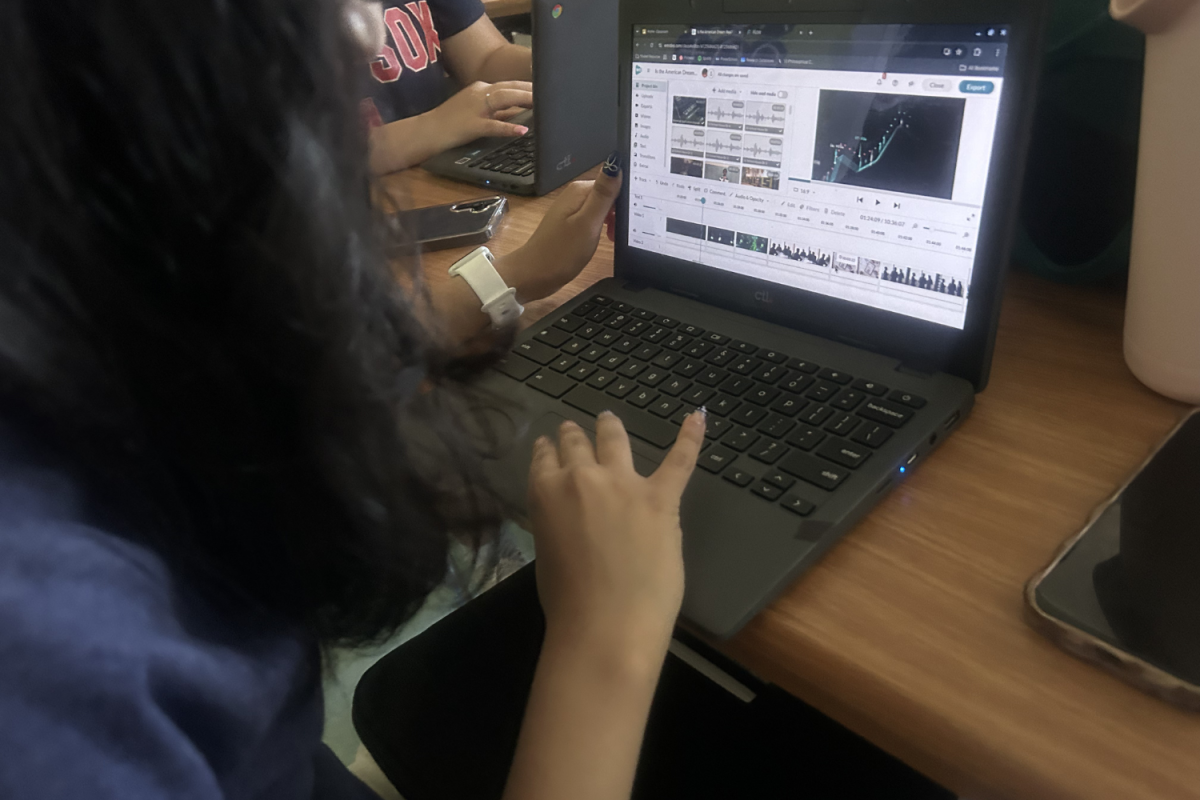
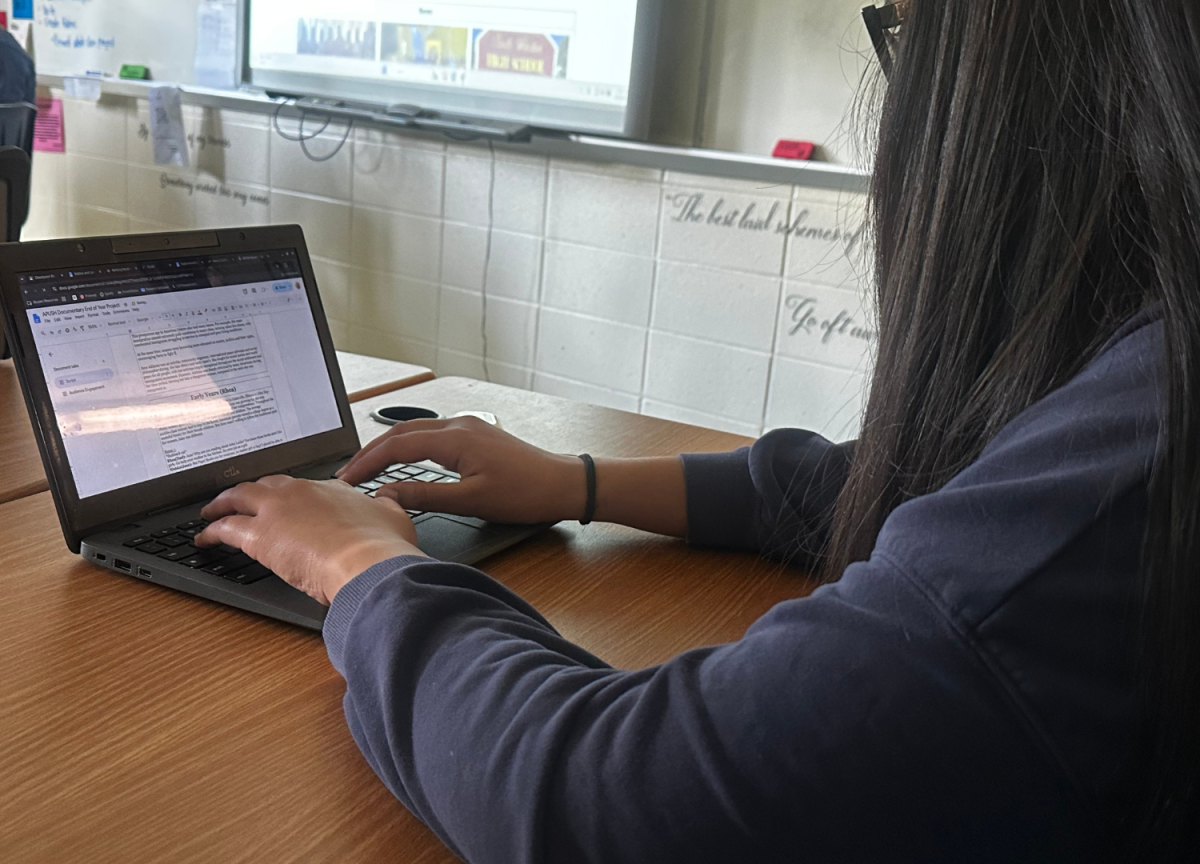
In addition to lacking academic social skills, post-pandemic students struggle to use technology in a responsible manner.
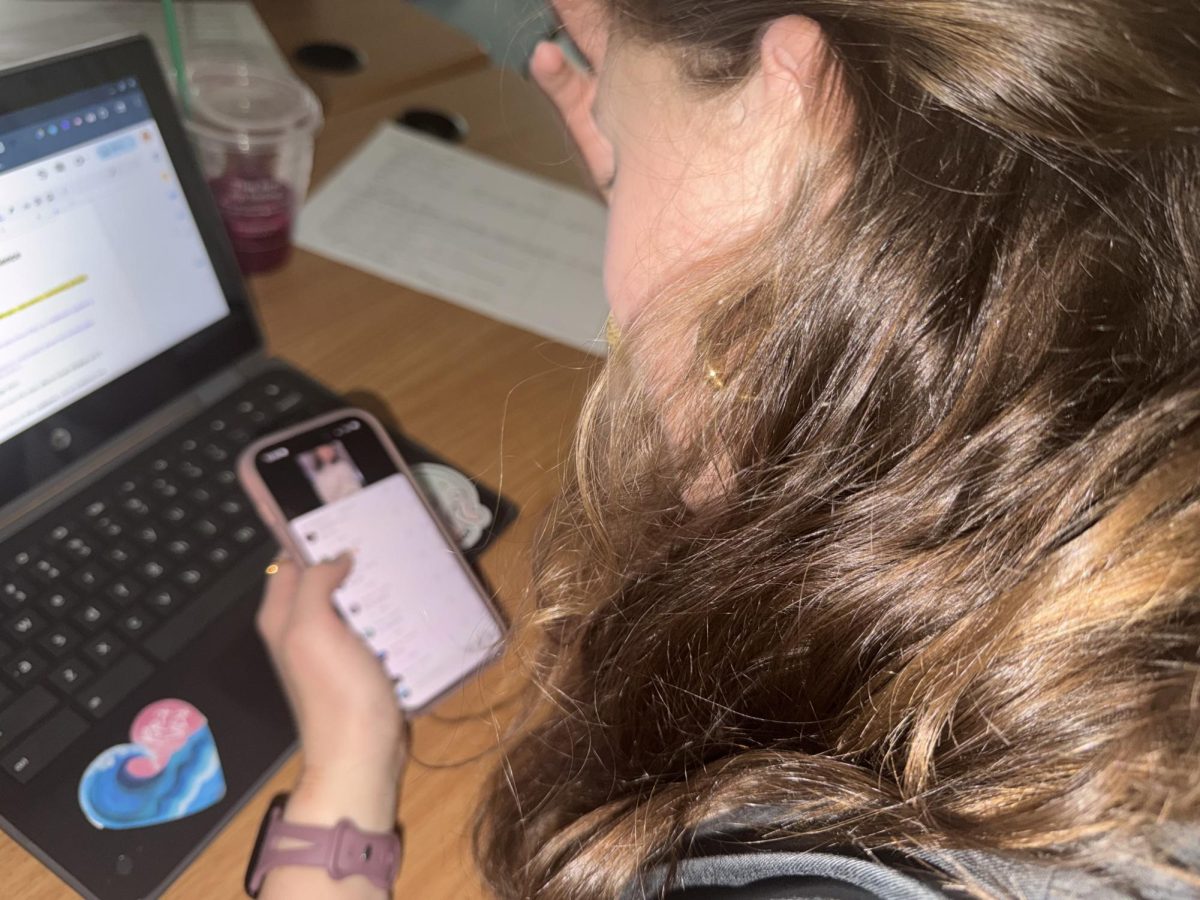
During online schooling, students had unlimited access to their phones and computers, but now, students are finding it challenging to log off of personal devices and fully engage with their learning. Following remote learning, technology has become even more of a distraction as students scroll their phones endlessly, and choose to not remove headphones in class.
This creates a challenge not just for students but for teachers as well. Teachers are now having to spend time in class attempting to redirect students, and encourage them to pay attention to lessons.
“Before COVID everything was on paper, and after COVID everything was on the computer,” SWHS graduate Avery Yelle commented.
These in school behaviors only scrape the surface of COVID’S consequences. As a result of the pandemic, typical education was disrupted, and virtual learning could not fulfill the academic needs of students.
Today, schools face a phenomenon known as post-pandemic absenteeism. Research conducted at an NYC school showed in 2025, five years after the pandemic, there was a 10% increase in chronic absenteeism.
Additional organizations have done their own research, interviewing forty American families to gauge their perspective on attendance prior to the pandemic. These interviews gave valuable insight to educators and education policy makers.
One of the causes of the attendance crisis is believed to be schools’ illness policies. The pandemic made the majority of people more conscious of their health, impacting school policies.
Policies have therefore become stricter and more demanding to satisfy growing safety concerns.
In addition, it is evident that COVID has caused a social divide. Mental health issues have been amplified, and the damage inflicted by the pandemic has severely impacted students and teachers alike.
AP Psychology teacher, Mrs. Caless, commented on the aftermath of the COVID pandemic on her students.
“A big difference I see are a lot of mental health issues which COVID expanded,” Mrs. Caless said.
The COVID pandemic had significant negative effects on schools and students, increasing chronic absenteeism and mental health issues among students, and creating more difficulty around focusing in class and responsible use of technology. These issues arose during remote learning, and their impact continues today.
On the contrary, there were some positive changes to schools that arose as a result of the pandemic.
Schools began to tailor their focus more towards mental health, due to the rising crisis at hand. This awareness has proved helpful for students, preventing them from staying silent during a time of need.