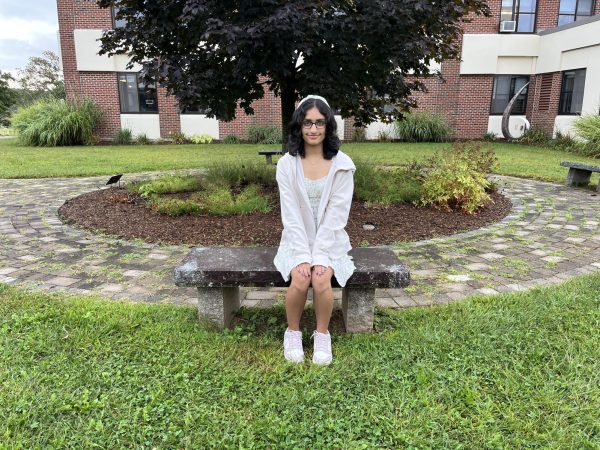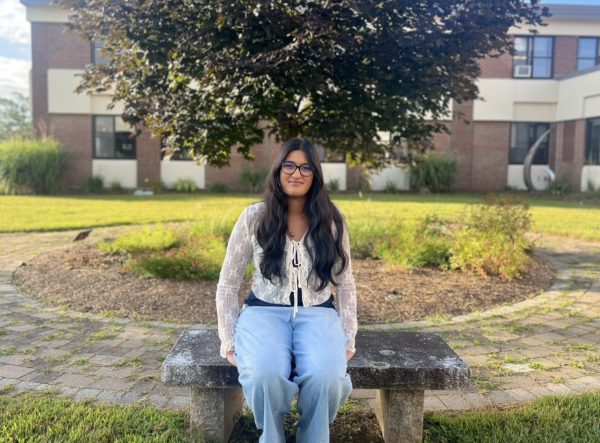
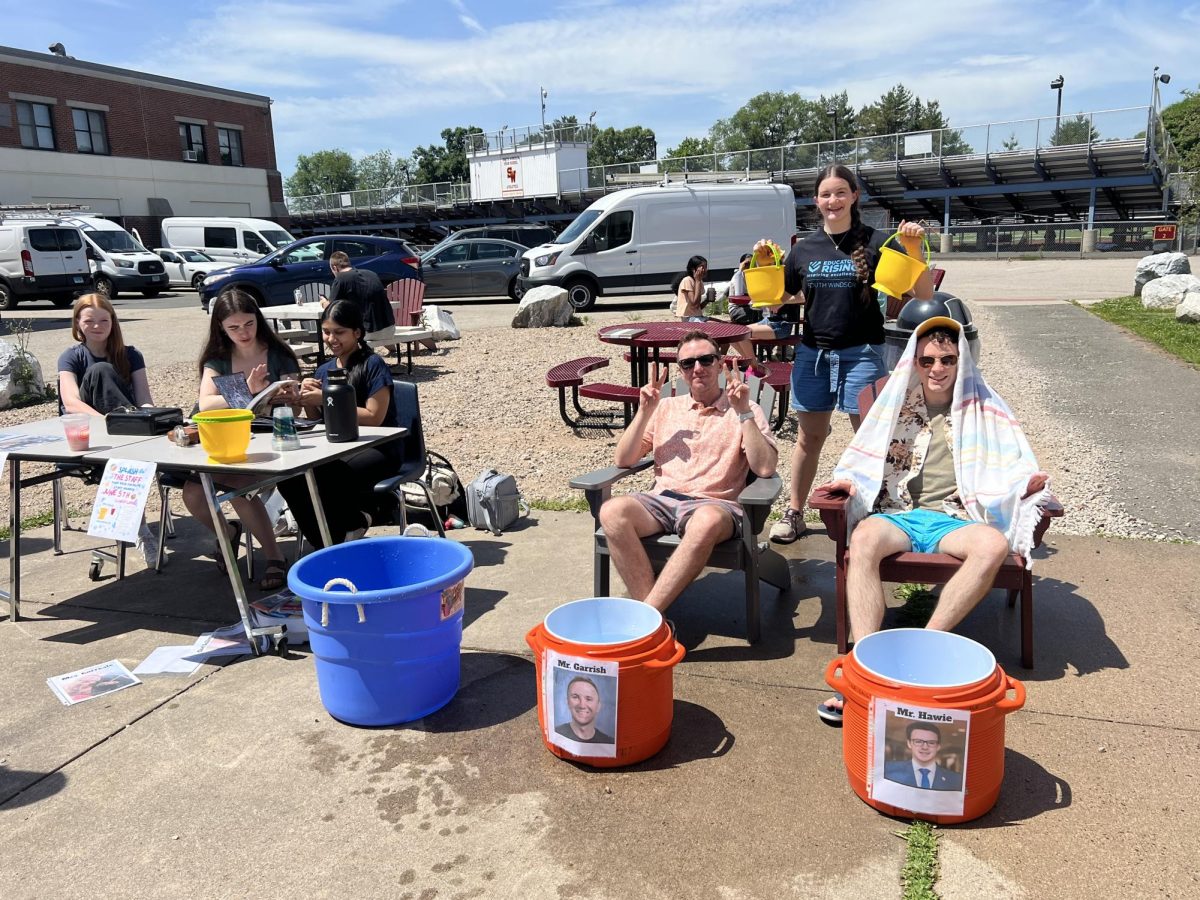








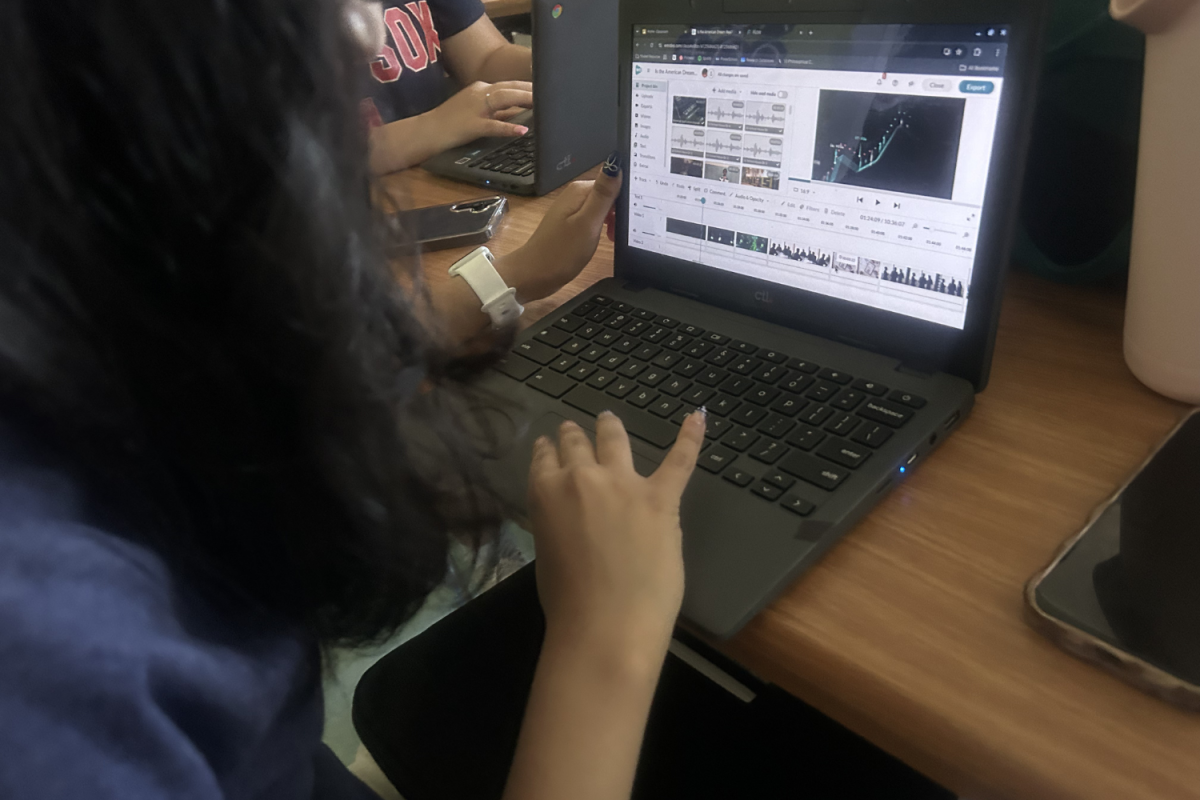
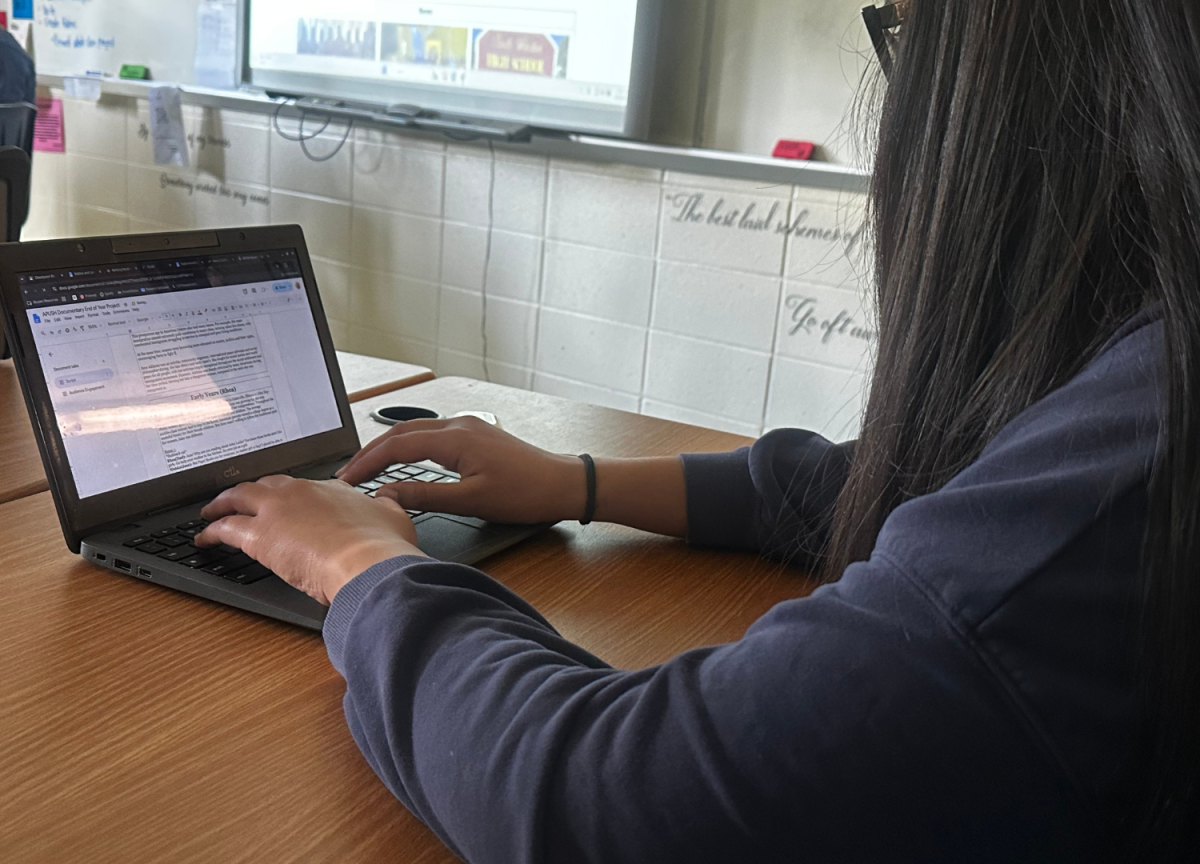
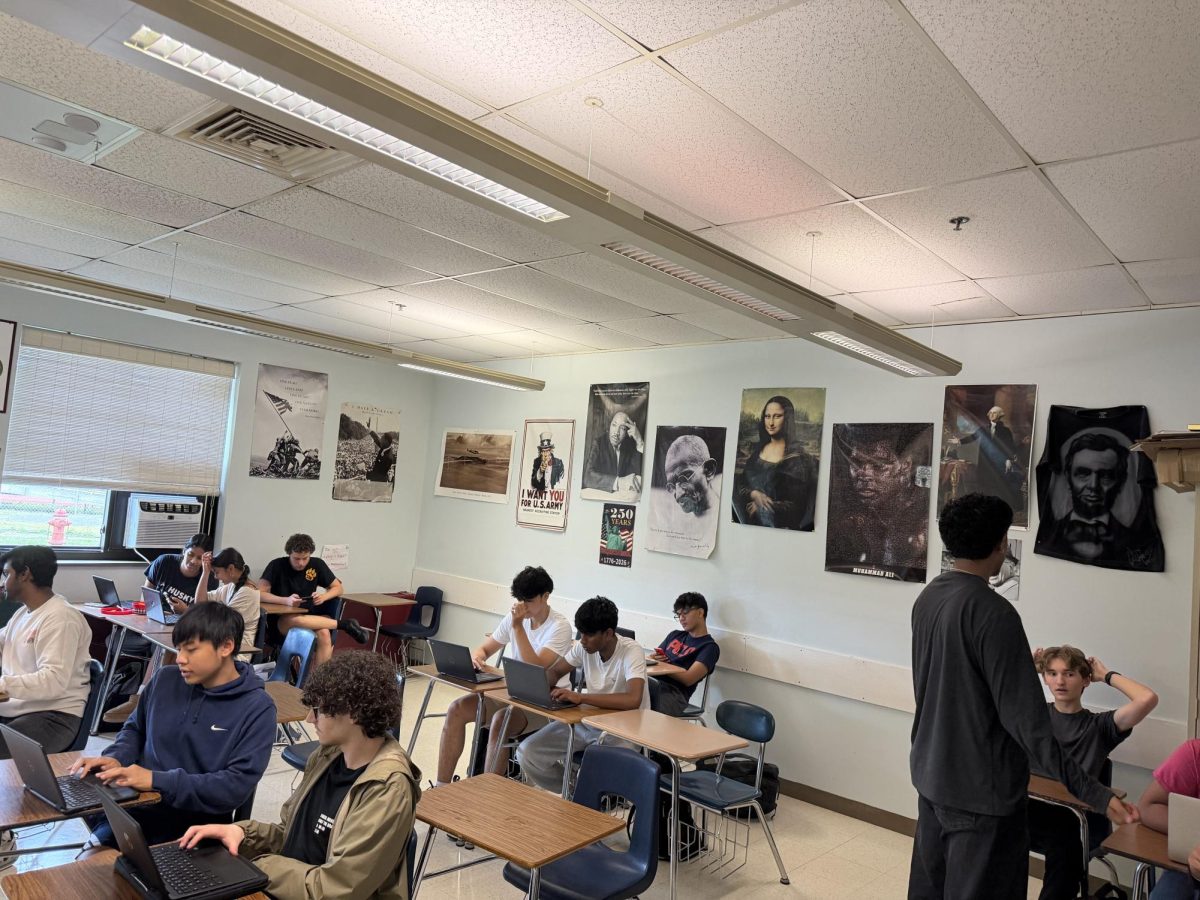








Future healthcare workers taking Mrs. Karasinski’s UCONN Medical Terminology and Allied Health class practiced checking vitals with other students in class on Tuesday. This lesson on vital science is extremely crucial, as it incorporates healthcare skills that will be used by many in the future.
The UCONN’s Medical Terminology class learns about medical terminology through disease processes, symptoms, diagnosis, clinical procedures, laboratory tests, and treatments that affect various body systems.
The class also introduces high school students to healthcare careers by teaching the language of medicine alongside the overview of various medical professions in order to help build fundamental knowledge for future health science studies.
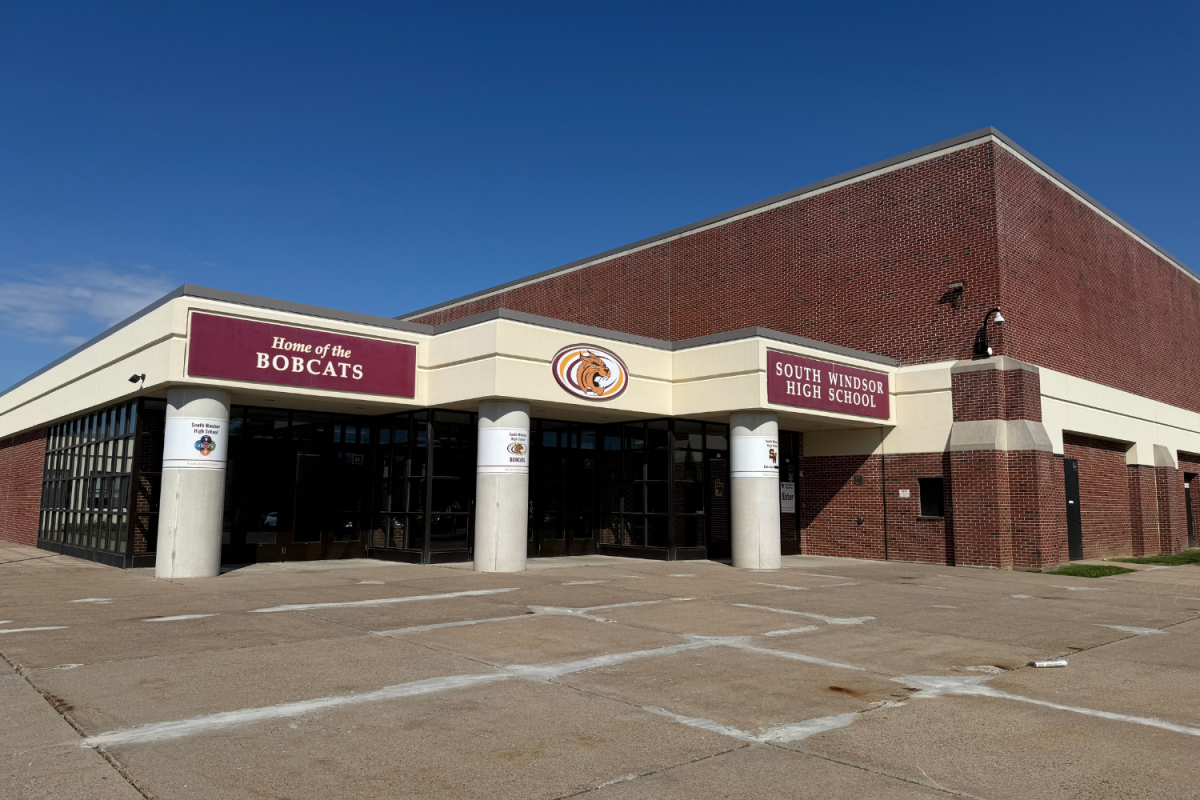
According to the South Windsor High School Course Catalog, the class conducts patient care practices, looks at ethical and legal issues, goes over educational requirements and finally employment opportunities. It’s an introduction and mastery of medical terminology through presentation of word roots, prefixes and suffixes.
Students will develop a conceptual framework for health care career opportunities and gain an appreciation of the terminology and skills necessary for a healthcare career. Vital science is an absolute necessary skill for a healthcare career, so class time is focused towards practicing vital sign skills.
“We spend time throughout the first semester practicing to take vital signs (blood pressure, heart rate, respiration rate, temperature, and blood oxygen),” science teacher Mrs. Karasinski told The Prowl. “For their midterm exam, they take a full set of vitals in a mock medical setting on a ‘patient’ – aka a teacher volunteer.”
Most students who take ECE (Early College Experience) Allied Health & Medical Terminology are interested in a career in healthcare. No matter what level of healthcare someone pursues, they will have patient interactions and it is very important to be able to take a set of vital signs and analyze that information to identify problems (like if a heart rate is too high or a blood pressure is too low).
“I really like the hands-on experience that we get. We also get some good information for our future careers, because most people here want to be in the medical field when they grow up.” junior Swornim Bogati added.
Furthermore, it is also very important to have a bedside manner – make conversation with your “patient” and explain what you’re doing and why.
“I am a volunteer EMT in my free time, and one of the most important skills I have is to use ‘bedside manner’ to help put my patients at ease at what could be a very stressful moment for them,” Mrs. Karasinski said.
The goal with this vital signs project is to help equip students to do the same they did in class for their patients in the future.
This course is recommended for students interested in pursuing a medical profession such as nursing, physician, physical therapists or other allied health professions.