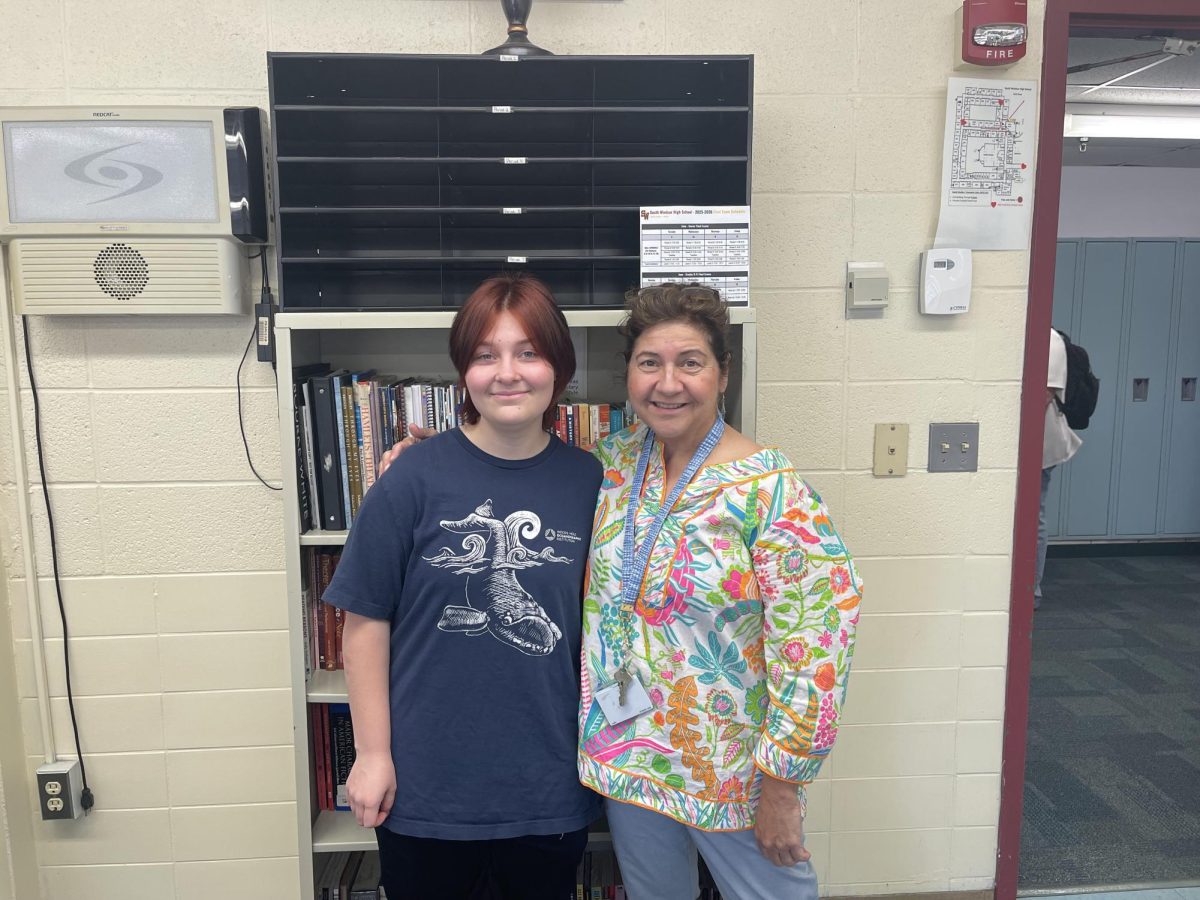





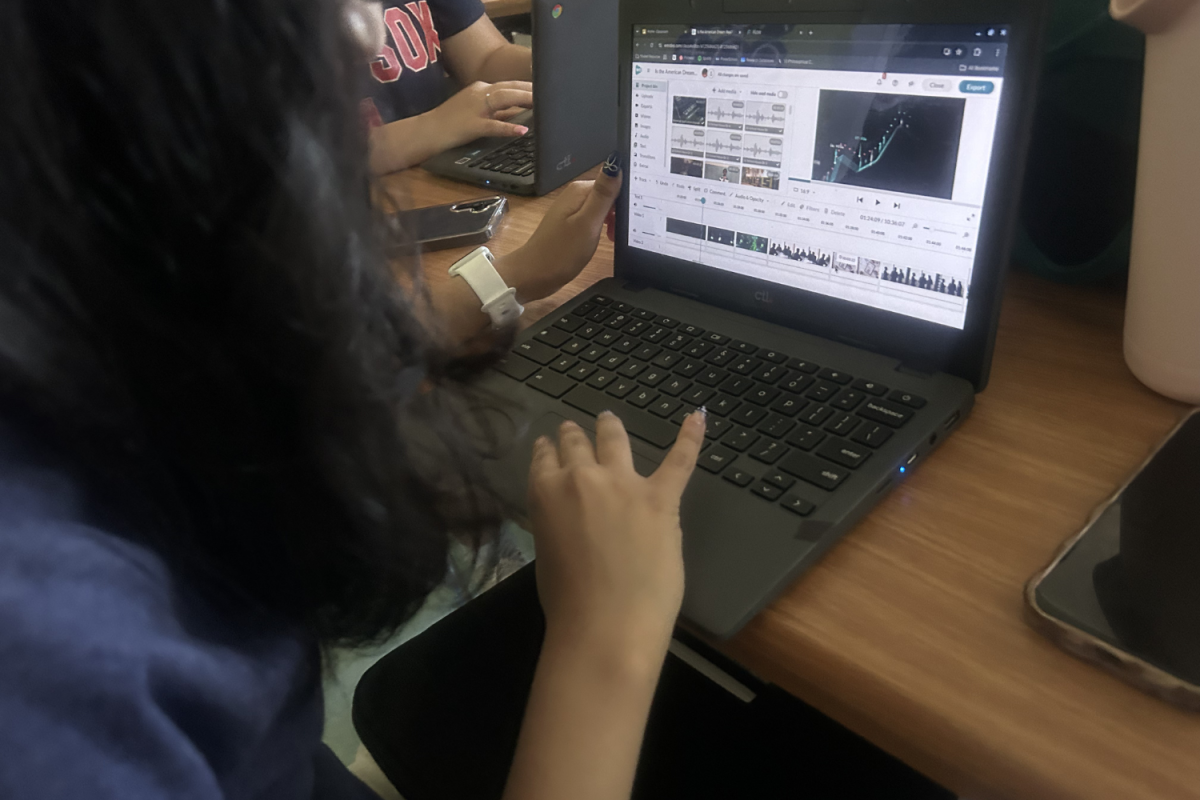
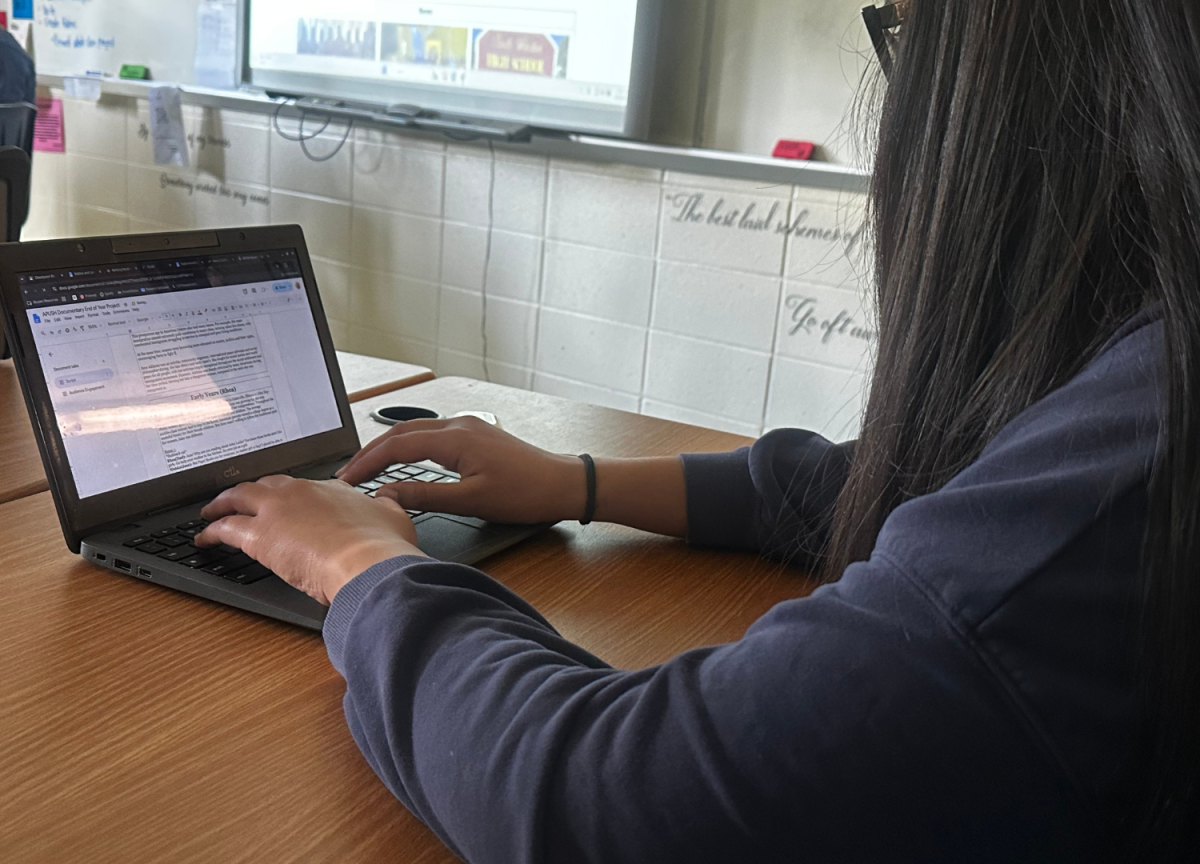
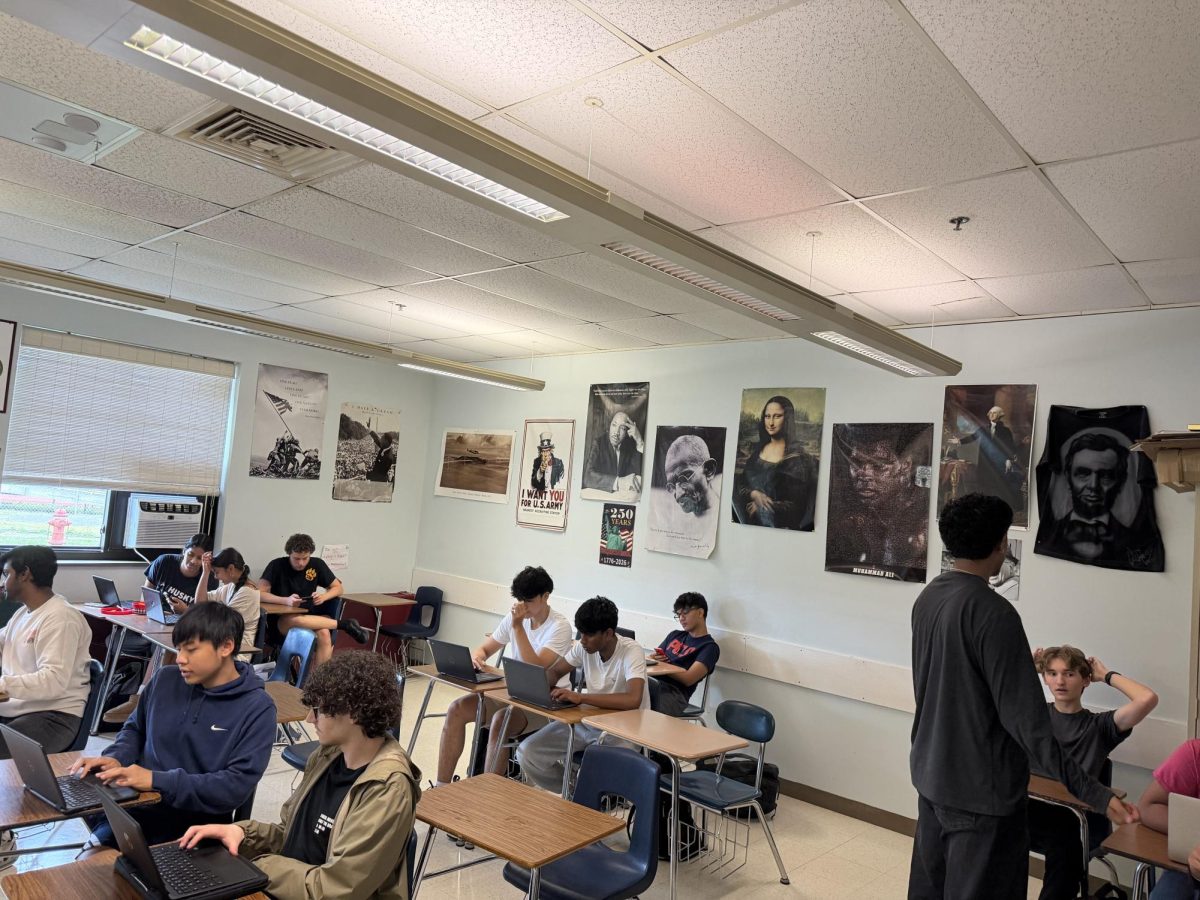



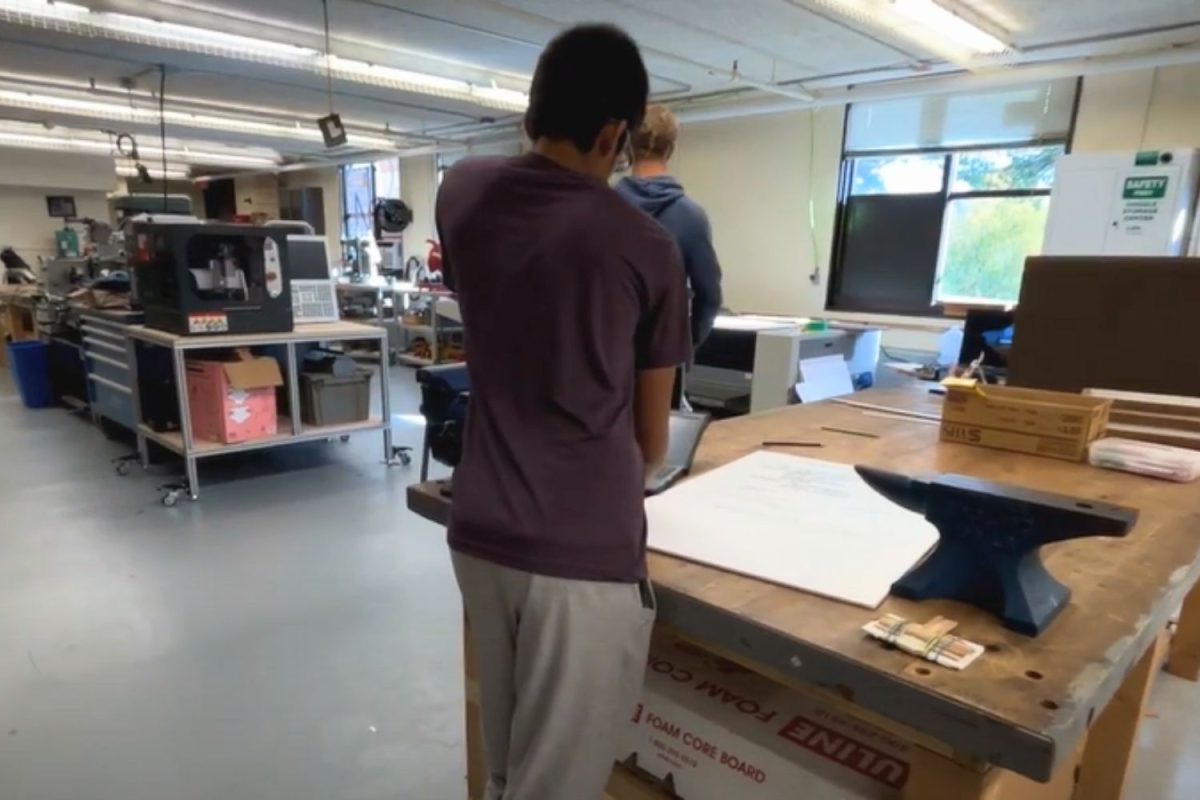





Through the doors of Room 129, an exciting, new project is being brought to life. In all 11th Grade AP Language and Composition classrooms, throughout the course of eight classes stretching from December to Mid-January, SWHS juniors are working on one of their most important assignments in the year: their Truth Projects.
According to Mrs. Flachsbart, an AP Lang teacher at SWHS, the purpose of the Truth Project is to explore a current, real-world topic and investigate the truths behind the event.
“Students, who are mostly working in groups, come up with an ‘Essential Question’ they want to investigate about a current, real-world issue,” Mrs. Flachsbart said. “Then they expose what is happening with that topic using their research.”
For example, one group of juniors is doing a documentary on the topic of Charlie Kirk, how people are debating on that topic. Another group is making a podcast about the investigations of the Epstein files, how that type of censorship is affecting our world today.
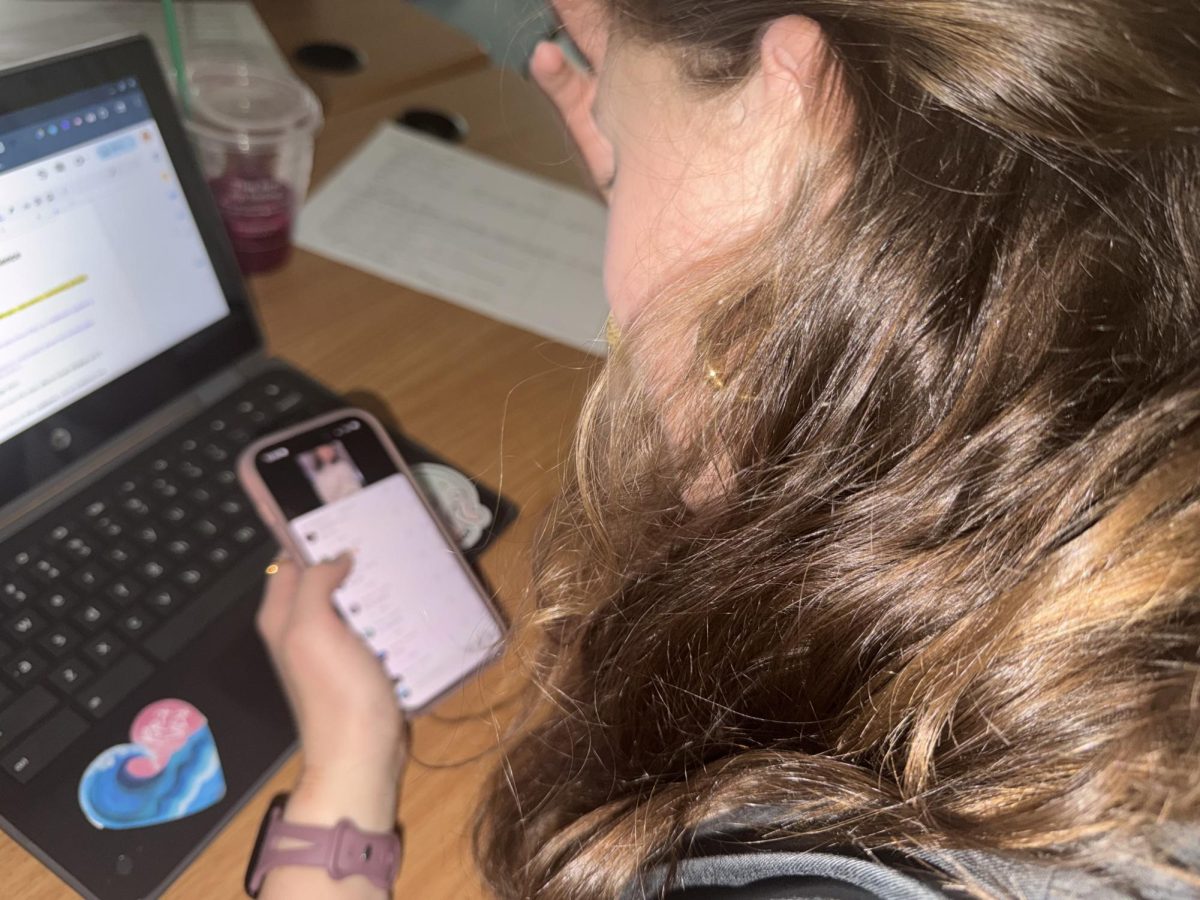
“This project is actually very interesting, and it was really fun making a podcast on it,” Junior Vaishnaavi Abirami Bhaskar said. “There’s not too many criteria for the project, so we have a lot of freedom.”
This project is centered around uncovering societal truths in our current world, and Mrs. Flachsbart emphasizes how these ‘societal truths’ that students will explore are in many ways connected to what students have been learning in class.
The students are left free to explore any topics that grasps their interest, as this project is meant to enhance the skills students will use beyond the doors of their classrooms.
“They read nonfiction books in lit circles (Talking to Strangers, Cultish, Educated, Rising Out of Hatred) that all examined truth in some way,” Mrs. Flachsbart said. “They apply this critical lens to their research and their project.”
The students are left free to explore any topics that grasps their interest, as this project is meant to enhance the skills students will use beyond the doors of their classrooms.
“[They will advance their] research skills (finding strong sources, evaluating the quality of the sources, picking out strong evidence, etc.) and synthesis skills (using sources to build on their ideas, comparing and contrasting sources, etc.),” Mrs. Flachsbart said.
With a project so large, requiring this amount of time and commitment, there has to be a clear format for the piece, including clear standards and critical steps that students must take to make their projects successful. Mrs. Flachsbart explains in detail the requirements of this project by breaking it down into three major steps.
“[First comes] individual research, where they had to find three sources to answer their essential question and then demonstrate their research skills via an assessment,” she told The Prowl. “[Second is] the project portion, where they demonstrate their findings in some type of multimedia format, approximately 10 minutes. [Finally,] a reflection paper.”
Students have earned quite a lot of experience from this project, and they elaborate on some advice that they’d give to students who will work on this project in the future.
“Just choose a topic that you’re personally interested in,” Junior Rayna Reed said. “Especially because for us, we were making a documentary, so we needed a lot of information and time.”
In the end, as this year’s Truth Projects come to a close, what matters the most isn’t just the research and presentations that students will perform. What really deserves appreciation is their courage to welcome new perspectives, question society’s actions, and develop their voices. We look forward to seeing how these Truth Projects will represent SWHS students’ immense talent and beautiful opinions.