



















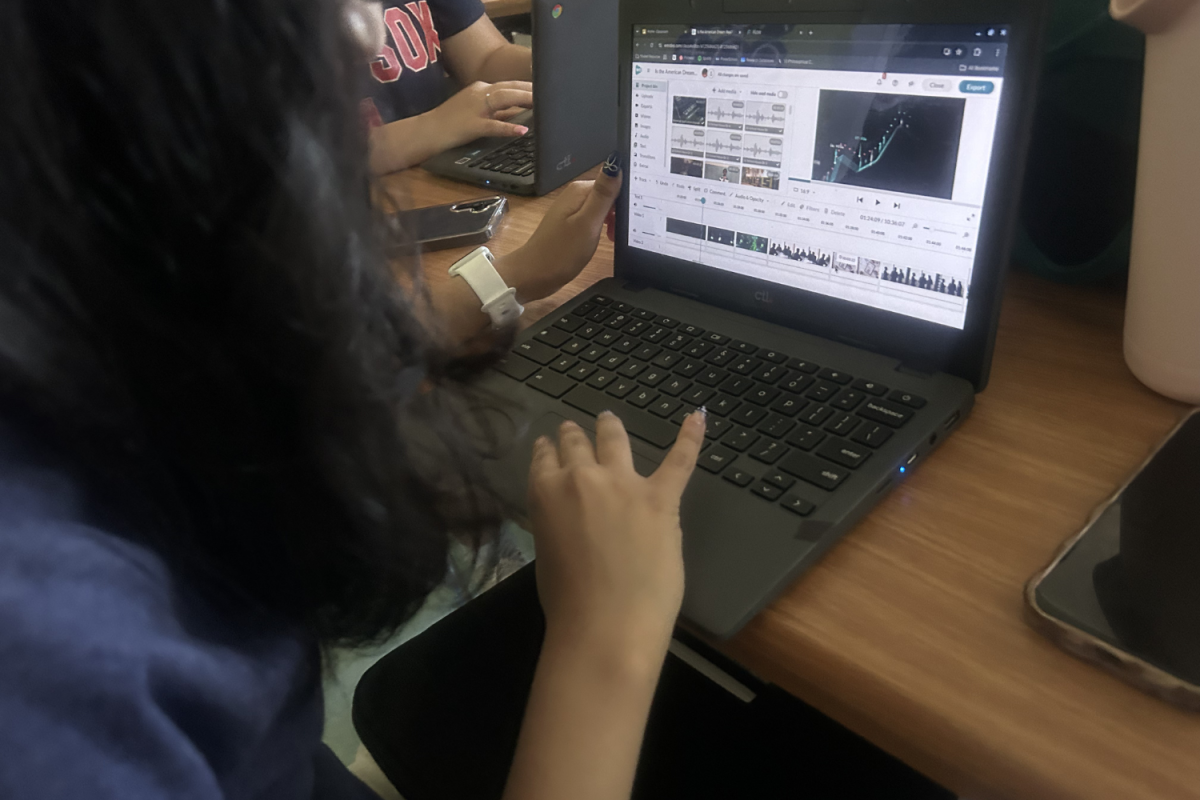
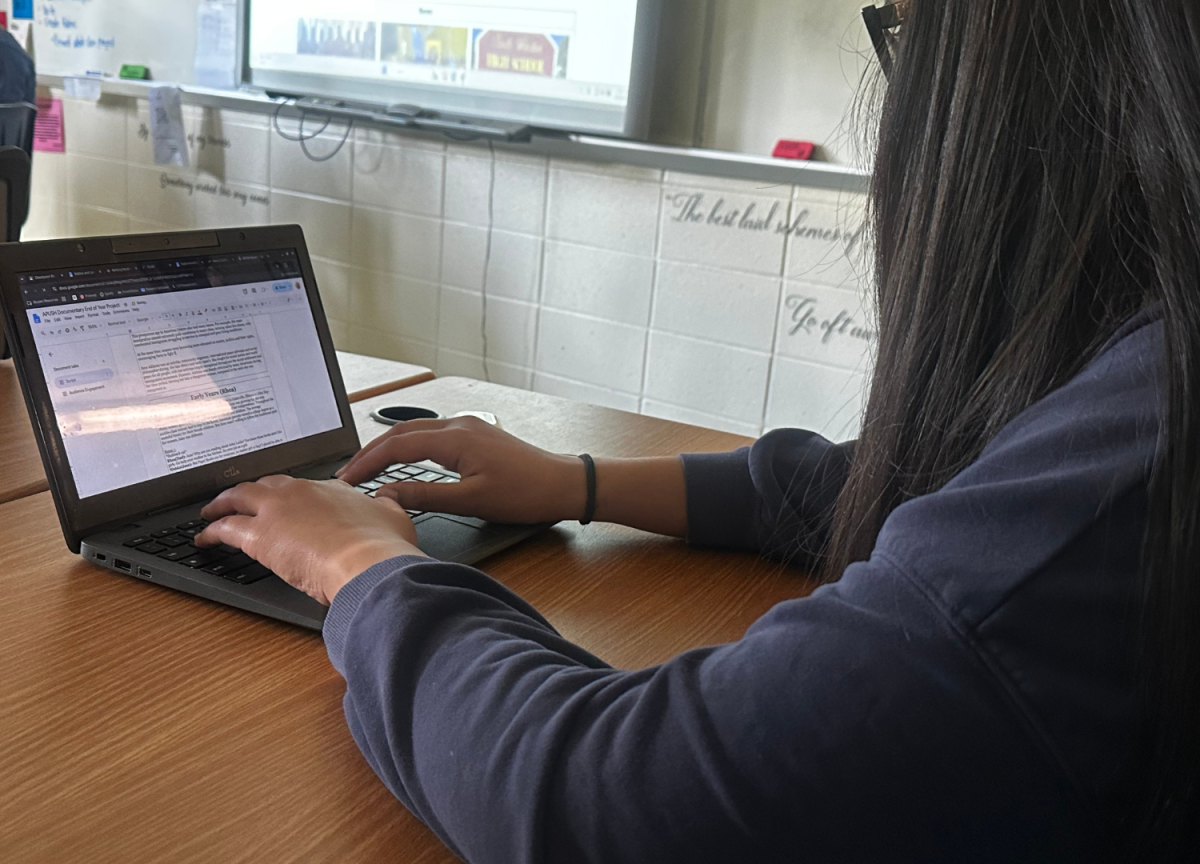
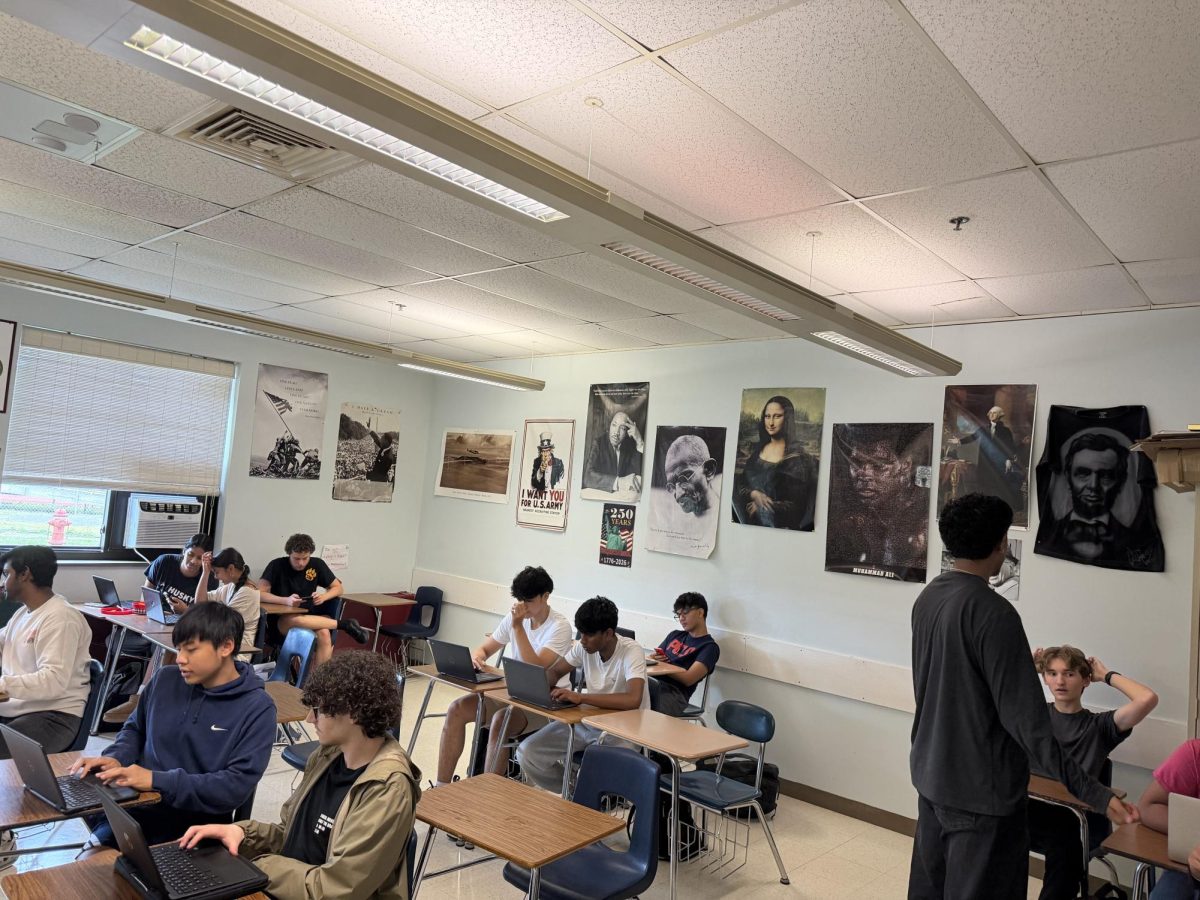

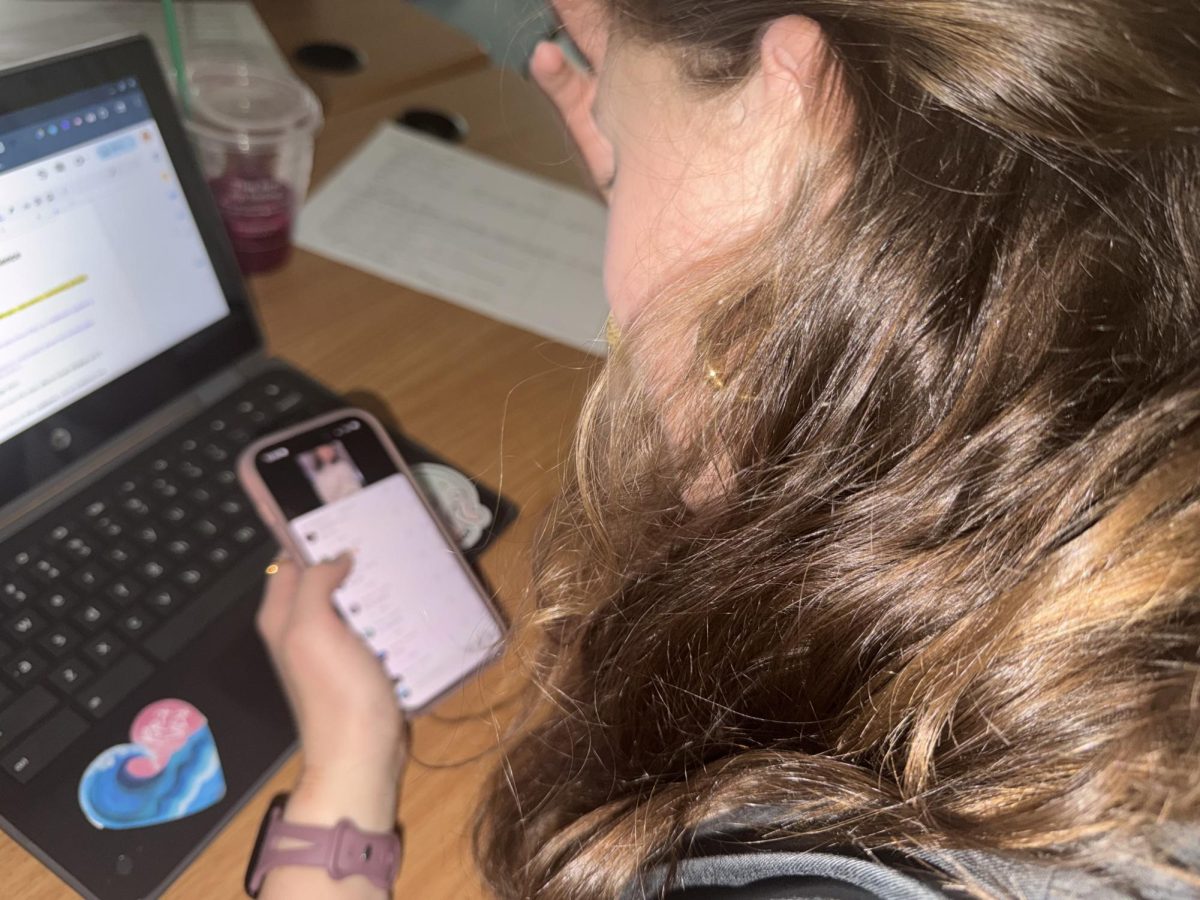









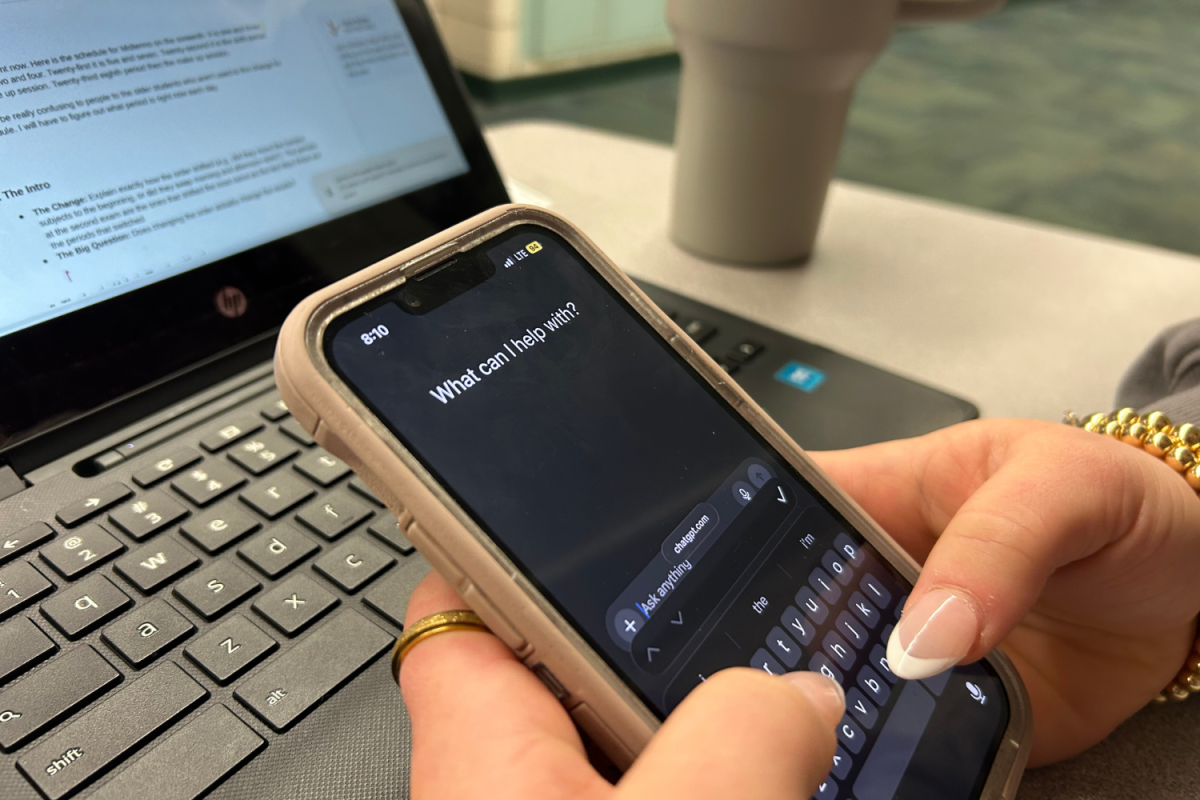
As AI continues to be integrated into people’s daily lives, questions arise regarding safe and responsible AI use. AI chatbots in particular, artificial intelligence programs that simulate a human conversation, are having a noticeable effect, particularly on youth.
In response to growing concerns for children’s safety around AI platforms, US Senators, including Richard Blumenthal and Chris Murphy of Connecticut, proposed a bipartisan bill in October that would require “strict age-verification processes” for AI chatbot companions.
Use of artificial intelligence has grown rapidly in recent years, as more and more tech companies are looking to release their own chatbots. Alongside this expansion of technology comes controversy and mixed opinions.
It is undeniable that AI has opened doors for innovation. Across nearly every field, from healthcare, to accounting, to communications, to education, the impact of AI has made tasks more efficient and led to more rapid discoveries.
Simultaneously, AI has created cause for concern about the decreasing importance of human labor. When we think of concerns surrounding AI, topics that come to mind include the deterioration of human creativity, threat of potential job replacement, and increasing academic integrity violations among students.
Mrs. Dahms-Lodge, an English and AP Lang teacher at SWHS, spoke to The Prowl about the visible impact of AI in her classroom.
She shared the impact AI is having in her classroom, saying, “I notice that for some students AI has become a crutch – it’s something they rely on. Instead of taking the initiative to learn, try, fail, or succeed naturally, students seem to be afraid of making mistakes and want the answers correct the first go round. So, they turn to AI to give them ideas and answers,” said Mrs. Dahms-Lodge, an English and AP Lang teacher at SWHS.
Outside of the classroom, AI is already having a noticeable impact on human interaction, especially among adolescents.
In a study conducted by the Pew Research Center this year, which polled American teens between the ages of 13 and 17 on social media and technology use, 64% of teens reported using AI chatbots. It’s important to note that this number is inclusive of students who may use AI in the classroom, but when looking at the frequency of use, data shows that 3 in 10 teens access an AI chatbot daily, with 16% reporting near constant use.
AI chatbots are easily accessible, with platforms like ChatGPT, Gemini, and Meta AI rapidly expanding their networks. Nearly every tech company and social media platform now promotes its own AI chatbot, but this accessibility can come with serious drawbacks.
While applications of AI have the potential to be used positively and can serve as a tool, too often the use of an AI chatbot is taking on the role of a replacement for human interaction. This means that adolescents who are using these chatbots to an excessive degree are actively cutting themselves off from social interactions that would produce a better emotional reward.
This issue becomes even more severe when teens or children experiencing mental health crises use chatbots as a replacement for in-person counseling from a trained professional. Their reasoning for choosing to seek help from a computer may vary (accessibility, speed of response, guarantee of confidentiality, etc.), but the result is the same; these individuals receive worse care and comfort from the computer by isolating themselves, than they would receive by meeting with a human.
SWHS School Psychologist, Bonnie Jones, offered professional insight into the real dangers behind interacting with chatbots as a form of counseling.
“Human beings are social by nature, and there is a lot that you are missing out on when you are interacting with a machine.”
Jones said that there is more to human interactions than just the verbal connection, and details like face-to-face communication, facial expressions, and nonverbal communication cues also play an important role in developing additional meaning behind a conversation.
“The most damaging part of technology is social media,” Jones said.
Aside from the deterioration of attention spans among individuals who spend large amounts of time on social media platforms, Jones also acknowledged that social media creates a false sense of interaction.
“Apps like Snapchat have allowed teens to ‘talk’ to anyone about anything, as long as they are ‘friends’ on the app,” she continued, “but this does not translate into the real world. Face to face conversations are not as easy to have.”
When asked about AI chatbots specifically, Jones noted the unpredictable nature of human conversations, which cannot be simulated by AI.
“My understanding is, chatbots “learn” by what you teach them- and I would think their responses are almost predictable based on what you have interacted with them on in the past. When working with real humans, this is not the case- humans don’t respond predictably,” said Jones.
Overall, her advice is centered on the importance of human connection in improving mental health.
“If you are struggling with social connections or having difficulties navigating social interactions, work with a therapist or counselor to help you figure out how to get better in that area,” Jones concluded.
Mental health continues to be an issue affecting teens and kids, and ultimately, the most important thing is that people receive the help they need. Despite the convenience and accessibility of AI chatbots, talking to a professional or trusted adult will better benefit young people in need of mental health assistance, and strengthen the human connection we all rely on.