




















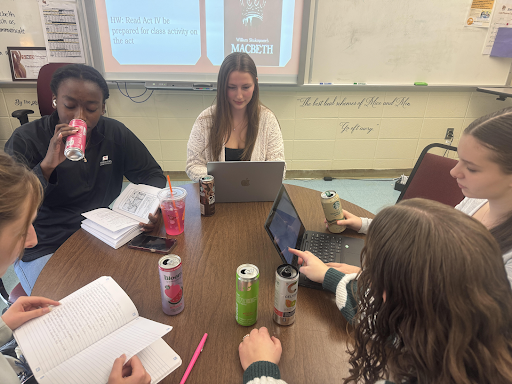
Monster, Alani Nu and Celcius are all popular energy drinks, and have one thing in common: high schoolers. In recent months, a drastic increase in the number of energy drinks present at South Windsor High School and surrounding schools has been noted.
Large caffeine corporations market products towards those in the 13-18 year age range making it common for adolescents to consume 1, 2 or even 3+ energy drinks per day without thinking twice.
“I have noticed that at least half of the people in each of my classes have some sort of energy drink on their desk or in their bag every single day,” junior student at South Windsor High School, Hannah Kowalchik tells The Prowl. “I definitely think the addiction has gotten worse, some students that I’ve talked to have mentioned that they can’t even go a day without caffeine. Some even say that they can’t function if they don’t consume caffeine that day.”
The Prowl surveyed 13-18 year olds on Instagram and found, on average, that 15-17 year olds consume the most energy drinks in South Windsor High School.
Being this young and consuming an average of 200 mg of caffeine per day can impact the development of young people’s bodies and brains. Groups of youth age (18 and under) are recommended by The Dietary Guidelines for Americans 2015-2020 study to only consume a maximum of 100 mg of caffeine per day.
Typically, one can of an energy drink can contain up to 200 mg of caffeine. That’s double the recommended amount for youth, in just one drink. A cup of coffee has been proven to be a healthier choice with 95 mg of caffeine.
The long term side effects of these highly caffeinated beverages are often overlooked for the temporary energy they provide for their consumers.
Both coffee and energy drinks have a wide range of side effects due to the stimulant that triggers the nervous system, stress hormones, and shadows adenosine – the chemical that encourages the body to go to sleep. Some of the most common mental issues following the consumption of caffeine include irritability, anxiety and nervousness.
The stimulant in the caffeine can also precipitate increased blood pressure, headaches, seizures, nausea, tremors, muscle pain, fatigue, heart palpitations, insomnia, and more. More serious consequences reported from these drinks involve type 2 diabetes, heart attack, stroke, liver disease, Alzheimer’s, and Parkinson’s disease.
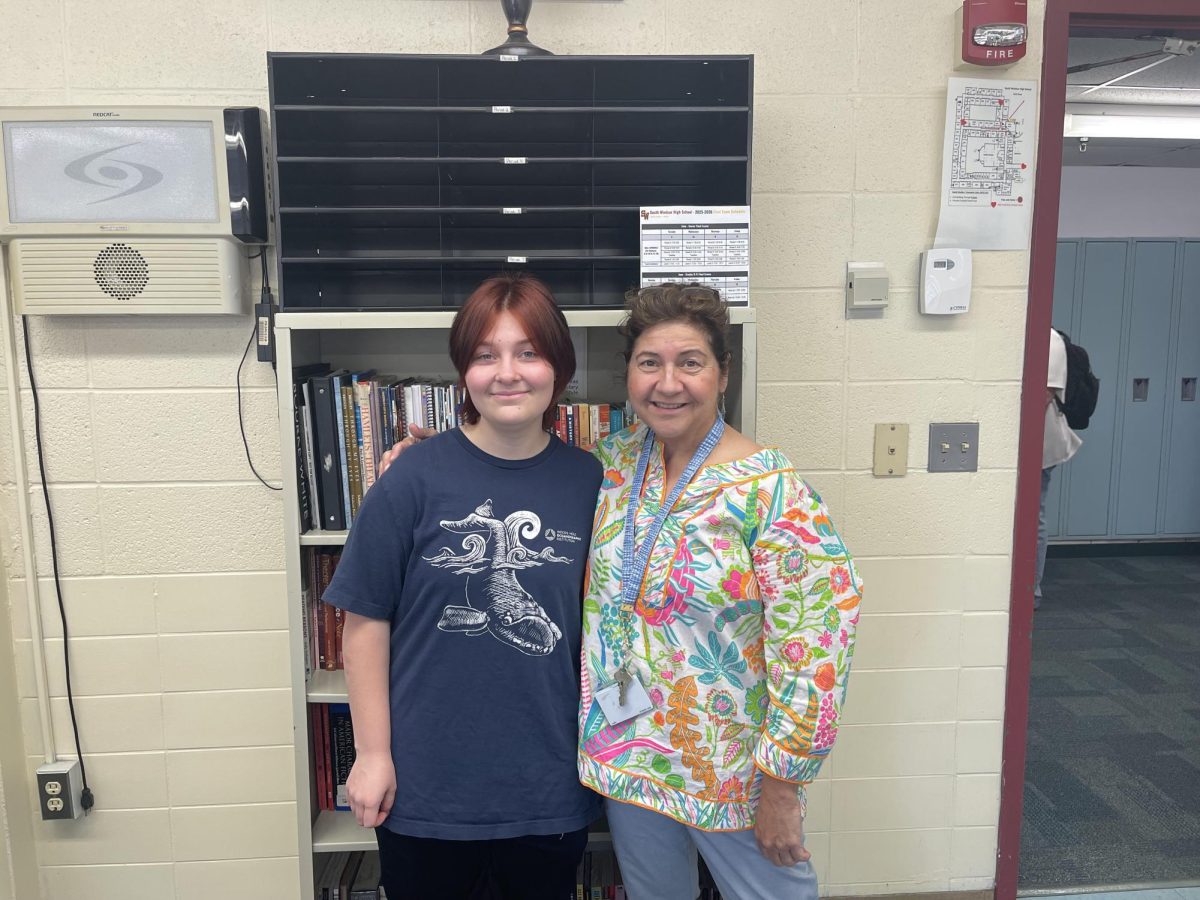
AP Psychology teacher at South Windsor High School, Mrs. Caless is aware of the high school “Caffeine Craze,” and its repercussions.
“Caffeine is a stimulant that boosts alertness in the short term by increasing activity in the central nervous system,” Caless told The Prowl. “It can help students feel more awake, but it doesn’t actually improve their ability to focus for long periods. In fact, high doses can make attention more scattered by increasing anxiety, restlessness, and impulsivity. Students may feel wired, but not necessarily more productive.”
Energy drinks tend to contain artificial ingredients, harmful additives, sugars, and overall caffeine content.
When talking to students in South Windsor High School, it has become apparent that the reason most students continue to drink large amounts of caffeine despite the potential consequences. This may be due to limited awareness of the potential side effects and the desire for increased alertness.
Teachers, students and even food stores in the town of South Windsor have collectively all noticed an increase in the presence of caffeinated drinks. Many stores in town report that they have seen significantly more amounts of energy drinks and coffee being bought in recent years, especially by teenagers.
South Windsor High School junior Adrianna Figueiredo works at the local Target.
“I have definitely seen an increase in the sales of energy drinks, as an employee of Target myself,” Figueiredo said.The most popular brands tend to always fly from the shelves leaving them more empty than other non caffeinated drinks.”
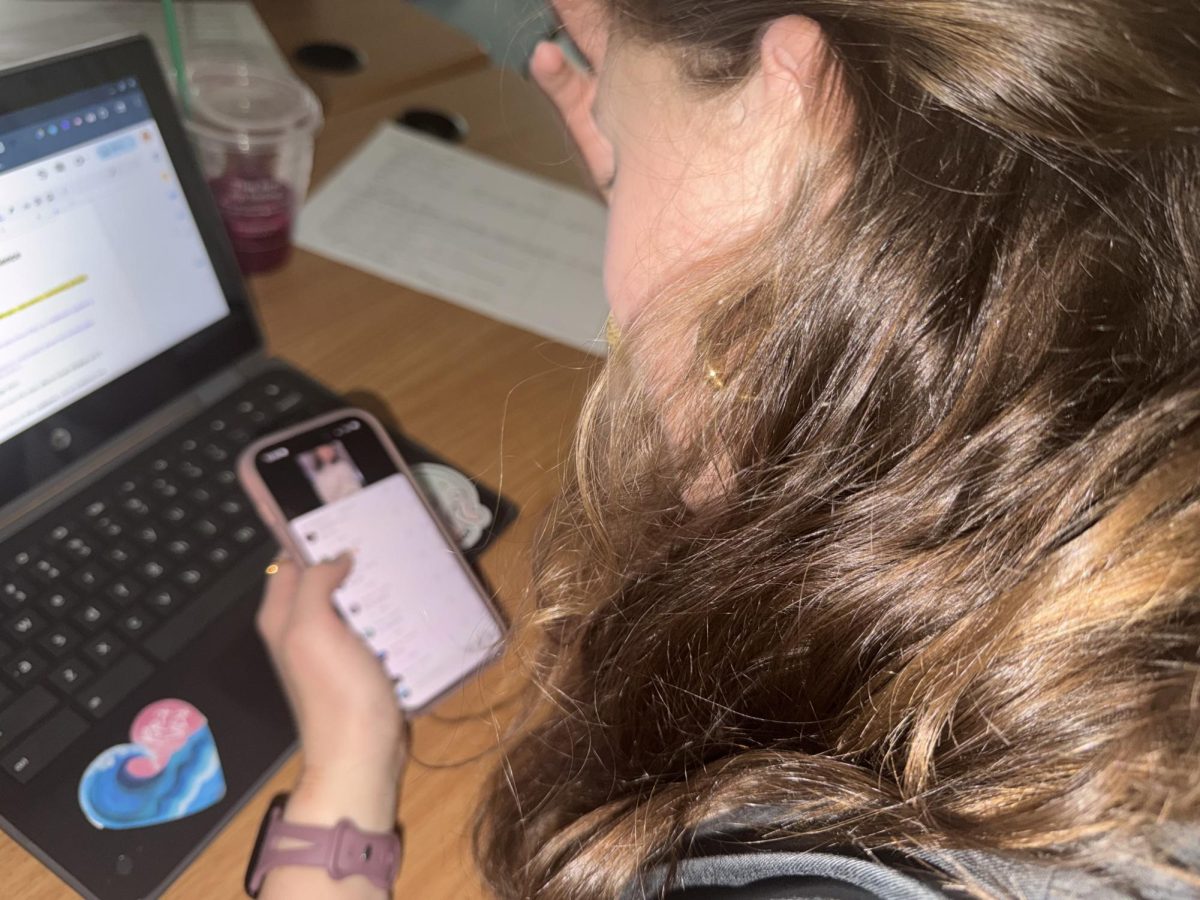
Fridges at homes are filled, hands are occupied, backpacks are heavy, all with caffeinated beverages. Their existence is hard to miss when walking in the halls of South Windsor High.
“I’ve seen a big trend in buyers, specifically teenagers, choosing to buy large amounts and multipacks of caffeinated drinks, rather than just a single can,” Figueiredo commented. “This trend has become more apparent in recent months.”
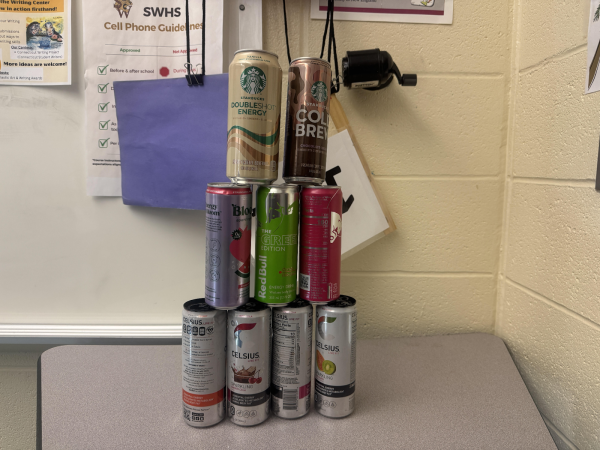
When students do not have caffeinated beverages available at home, many stop at local drive thrus and shops throughout town such as: 7 brew, Starbucks, Birdhouse Coffee, and Dunkin.
Many students pile up in cars and carpool together to pick up a drink before the school day. It is a common sight at the school to see groups of people leaving the parking lot, all holding their choice of refreshment or java.
“Over the past few years I’ve noticed a clear rise in students bringing energy drinks, cold brews, and large coffees to school—sometimes even early in the morning,” Caless said. “What used to be an occasional treat has become a daily routine for many teenagers, and it often seems tied to trying to compensate for chronic tiredness.”
It remains unclear when, or if, the current caffeine craze throughout high schools will decline. Though what is clear is these drinks have become indispensable. Thus, as the buzz of energy drinks grows louder, the question is whether schools will address the concerns now, or get left to deal with the crash later.