






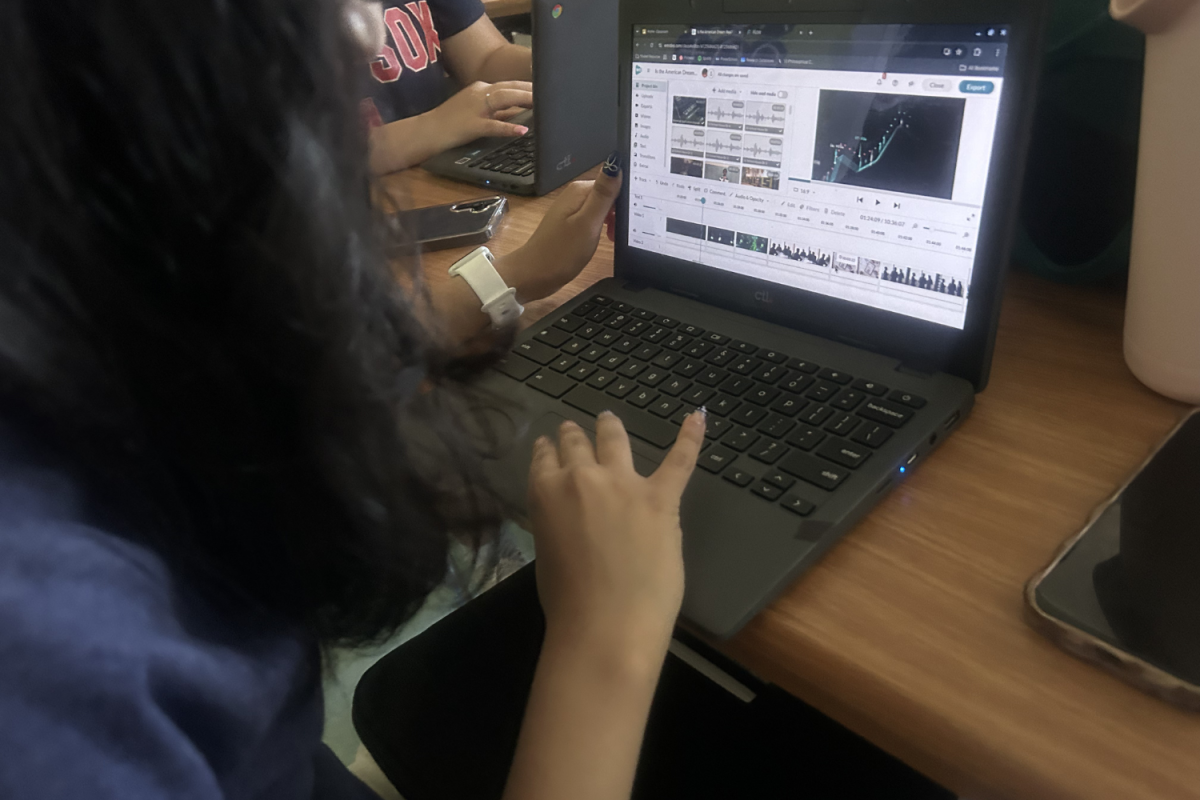
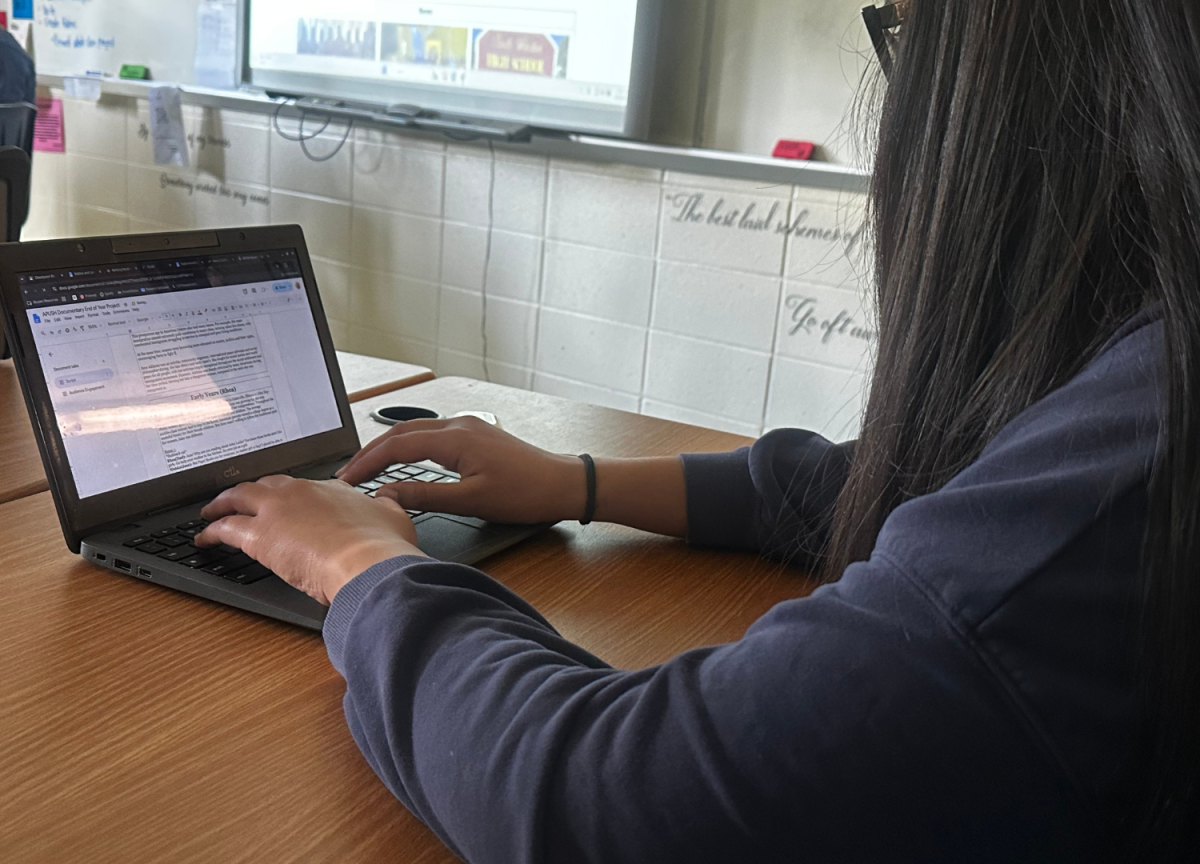
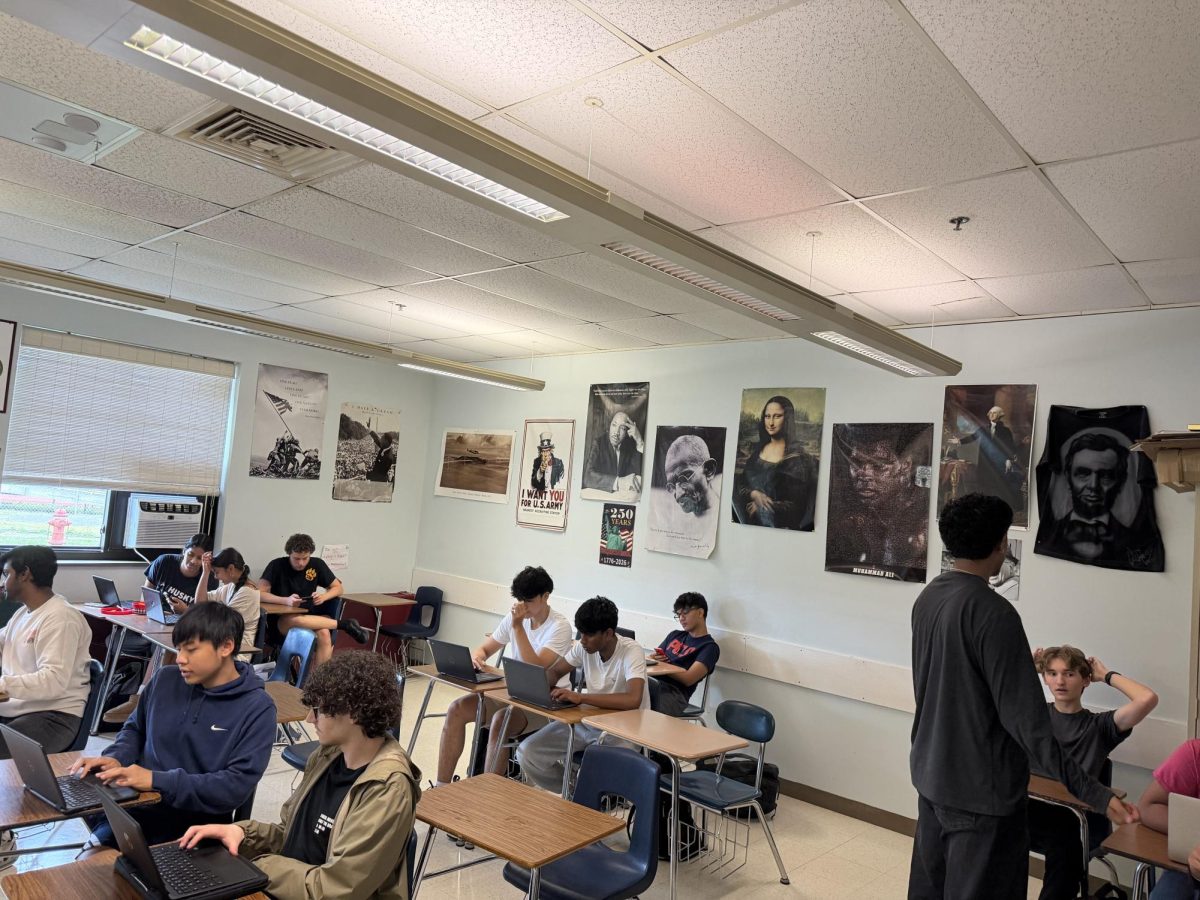
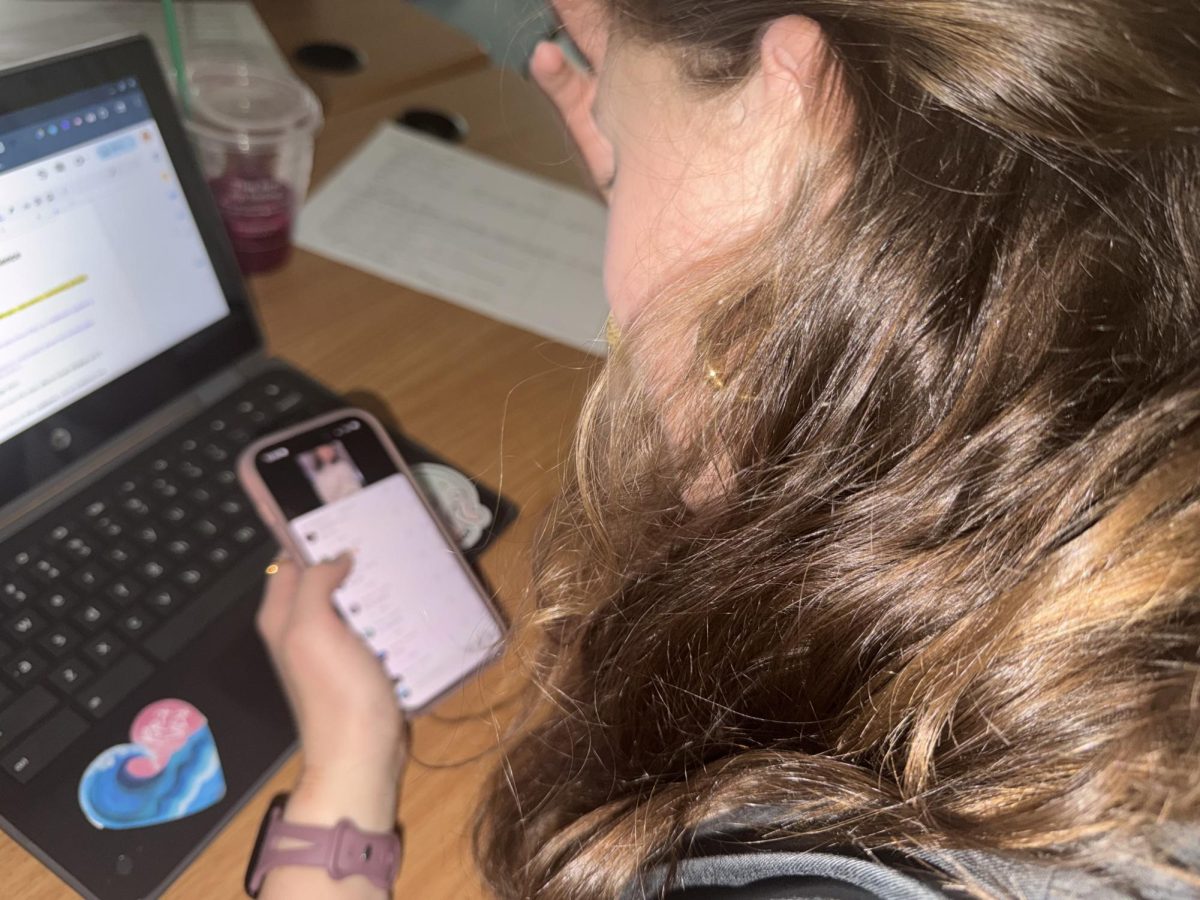







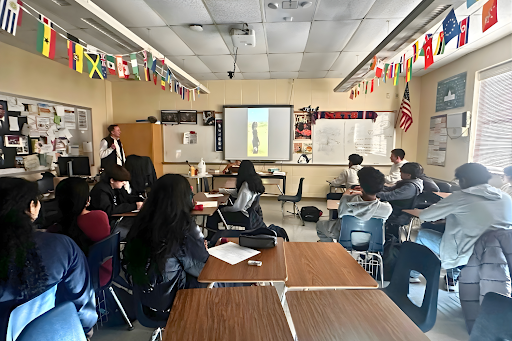
Students in Ms. Garrish and Mr. Quinn’s AP U.S. History classes spent two days in the library working on a project where they had to pick inventions from the revolutionary period in the 1800s. They researched their chosen invention and created a commercial about it. Afterward, students voted for categories like Best Overall Video, Best Actor/Actress, and Best Use of Technology/AI. The top two groups from each class will be presented to the next year’s students.
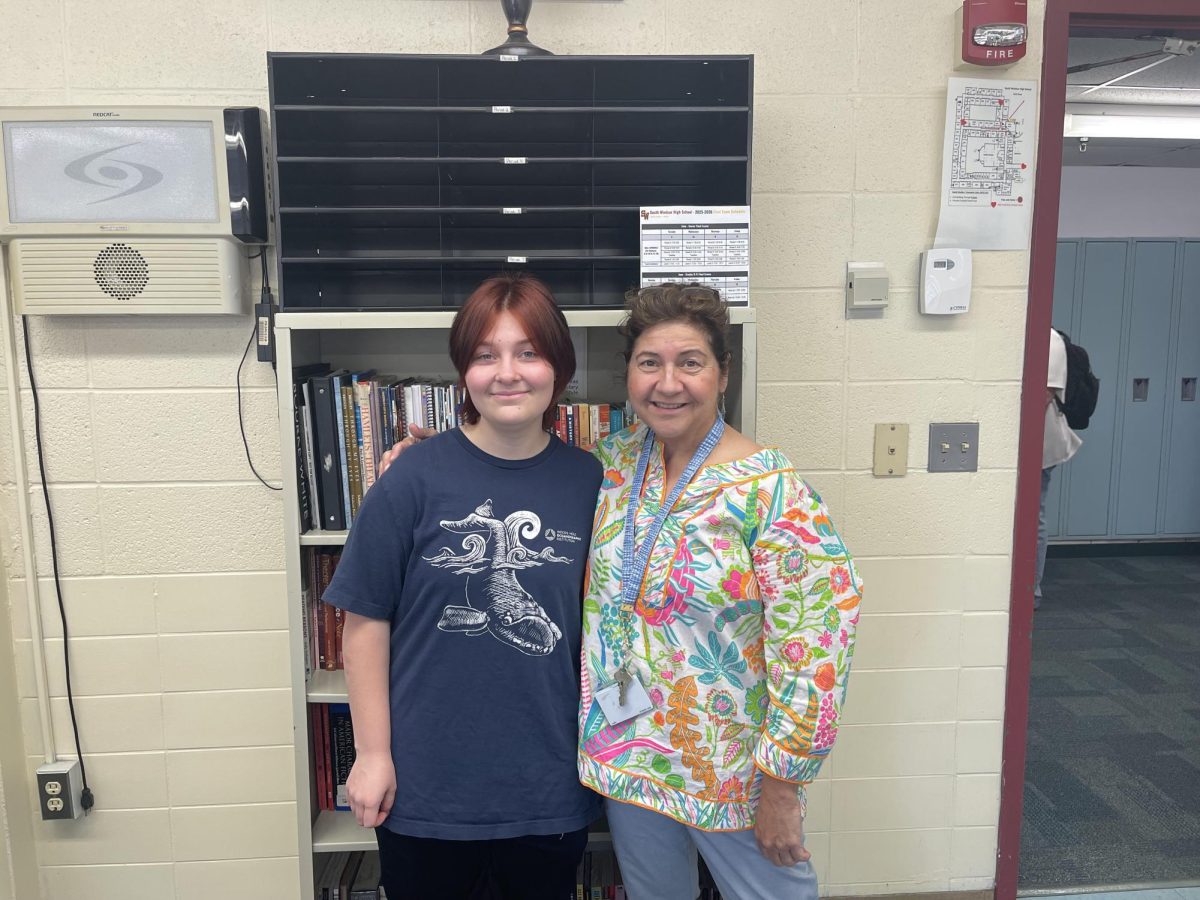
APUSH teacher, Mr. Quinn thought this was a great way for students to engage with the material.
“They took pride in their projects,” Quinn commented. “They created projects there both informative and entertaining.”
Some of the inventions featured in the students’ commercials included the Steamboat, the Telegraph, the Steel Plow, the Lowell Mill System, the National Road, and the Erie Canal. These inventions helped people in many ways throughout history. For example, the steel plow aided farming; the steamboat provided faster transportation for goods, and the Erie Canal offered jobs for many Irish immigrants. The Lowell mills gave women employment and a sense of independence, though working conditions were harsh.
Sophomore Penelope Evans’ group picked the Lowell Mills for the invention during the Revolution, and did more research about some of the other inventions before they created the Lowell mills and had a really fun time doing this project.
“We did include information about the Spinning Jenny and other inventions created that impacted the mills,” Evans said. “Though the Lowell Mills themselves aren’t really an invention, we put it as our second choice because we thought it would be really fun to portray all the different characters involved, like the workers and managers, and everyone else. The hardest part for our group was keeping it short because we wanted to include a lot of information and different scenes. I wish we could’ve integrated the historical information better into the commercial rather than on the side as its own unique scene. My favorite part was filming all the different scenes in the library, having fun, and making jokes with my friends.”
Mr. Garrish explained that the project wasn’t just about learning history. He wanted students to use their creativity and collaborate to make a video about their invention while using technology to help them.
“The project is an attempt at switching up the class to allow time for a deeper dive into a really important moment in U.S. history, but in a collaborative way,” Garrish said. “I was hoping that students could use their creative side to make something that sticks with them and helps them teach one another about a key invention or technological innovation. I am hoping this helps students get through the tough days this class can bring — there’s a lot of information to get through, and so class cannot be a party every day. Hopefully this helps us find the stamina to get through the second quarter!”