








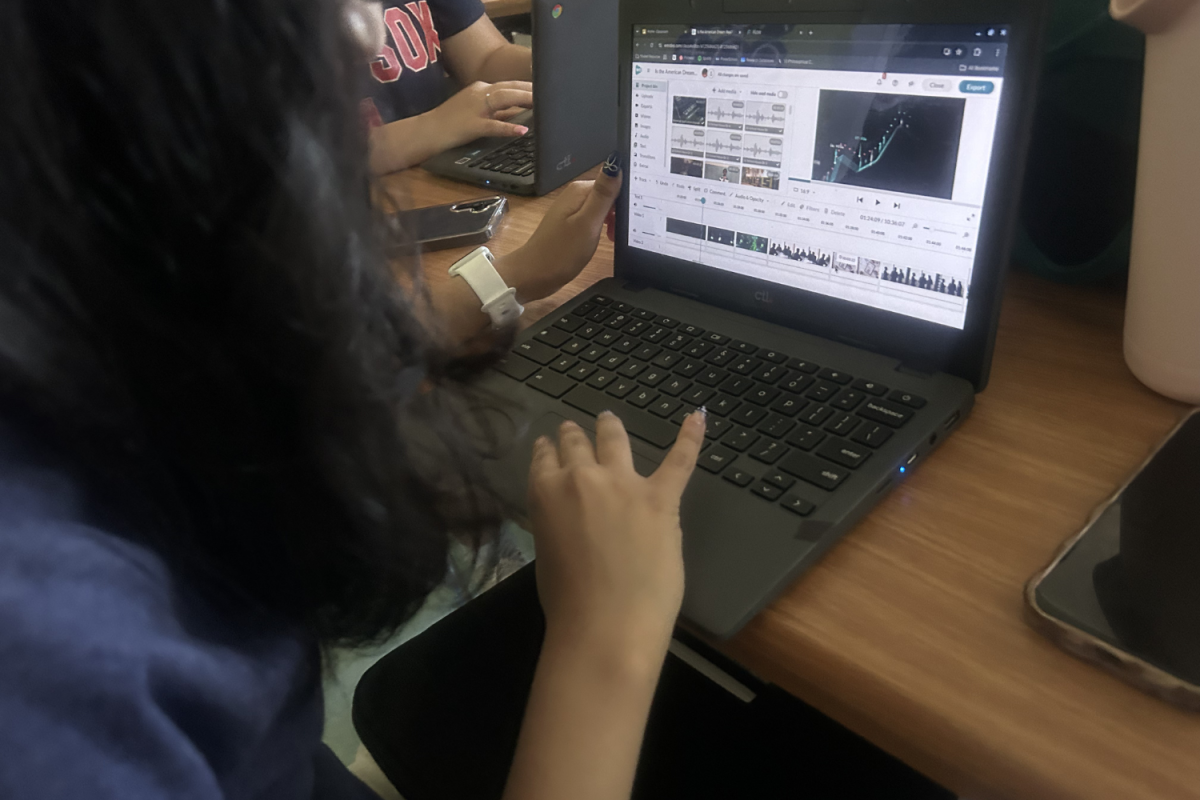
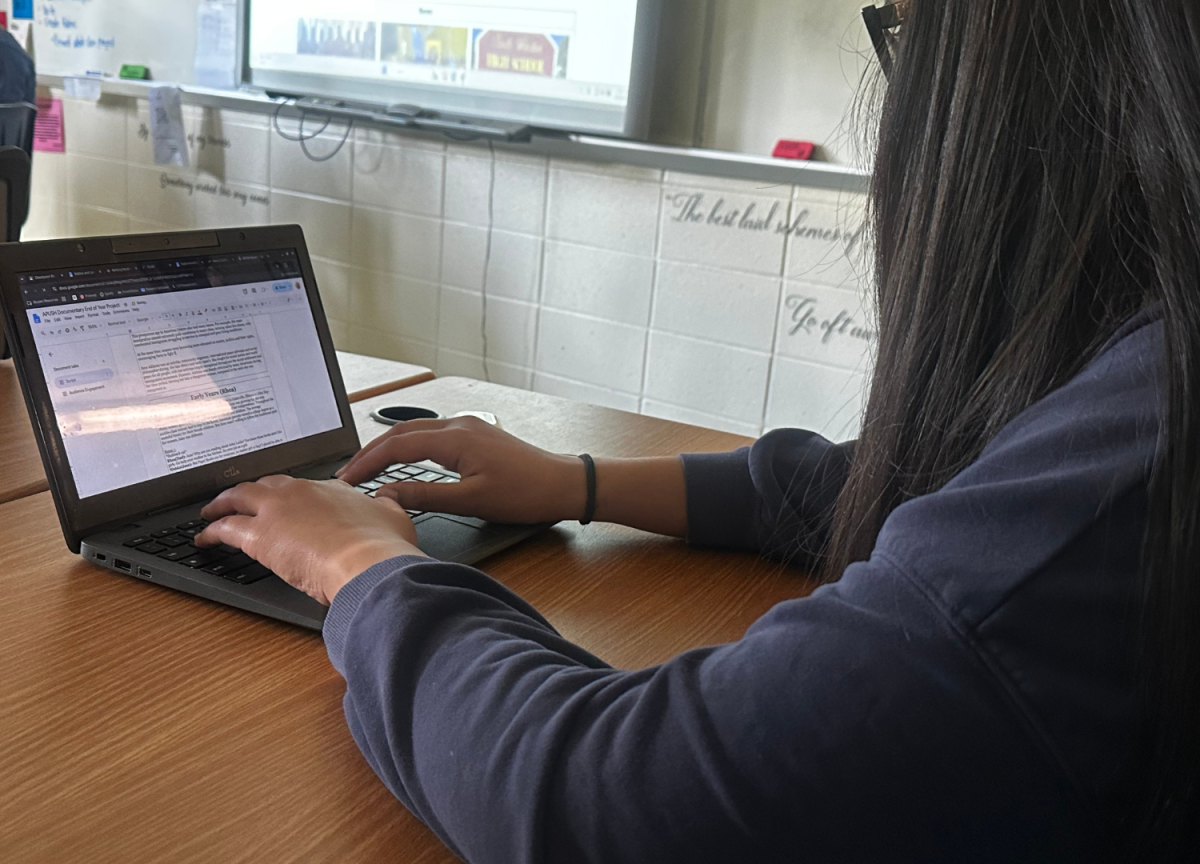
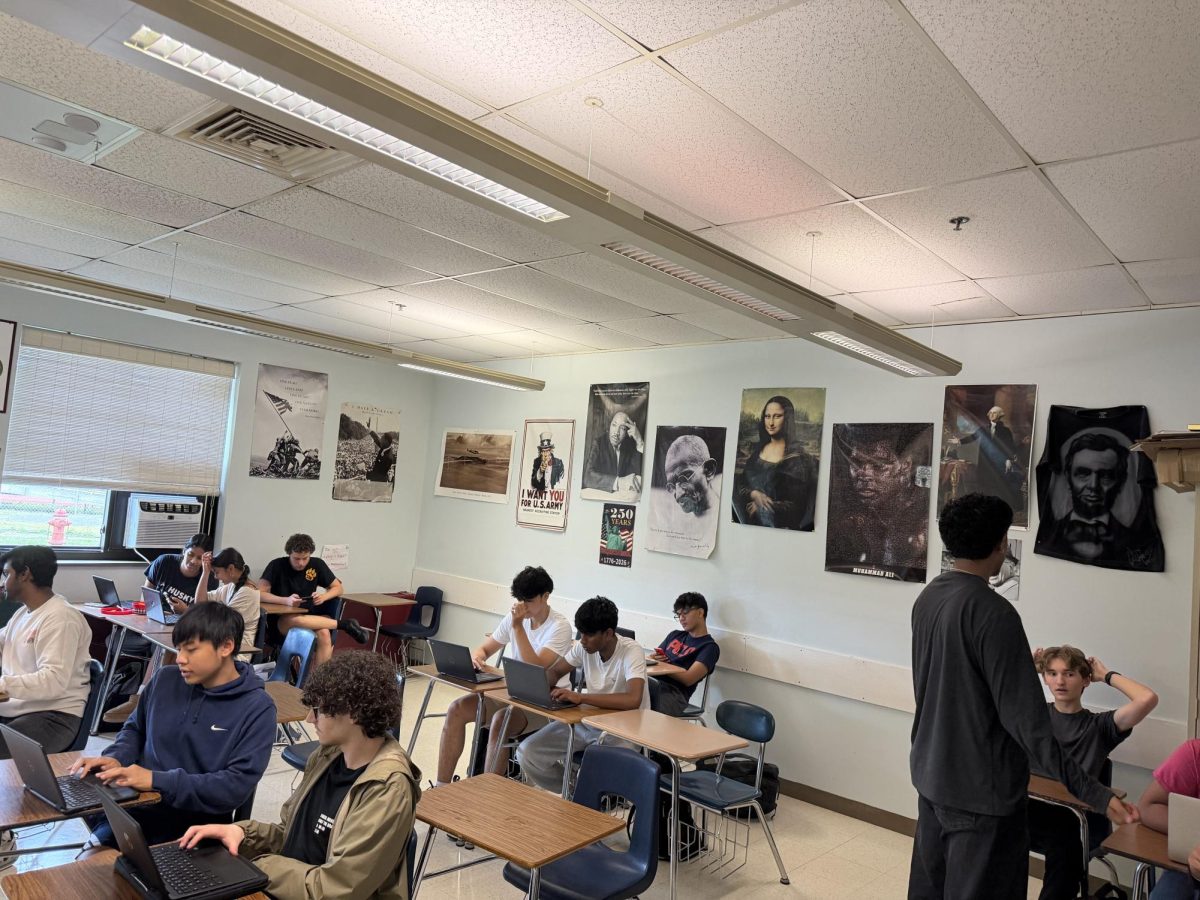
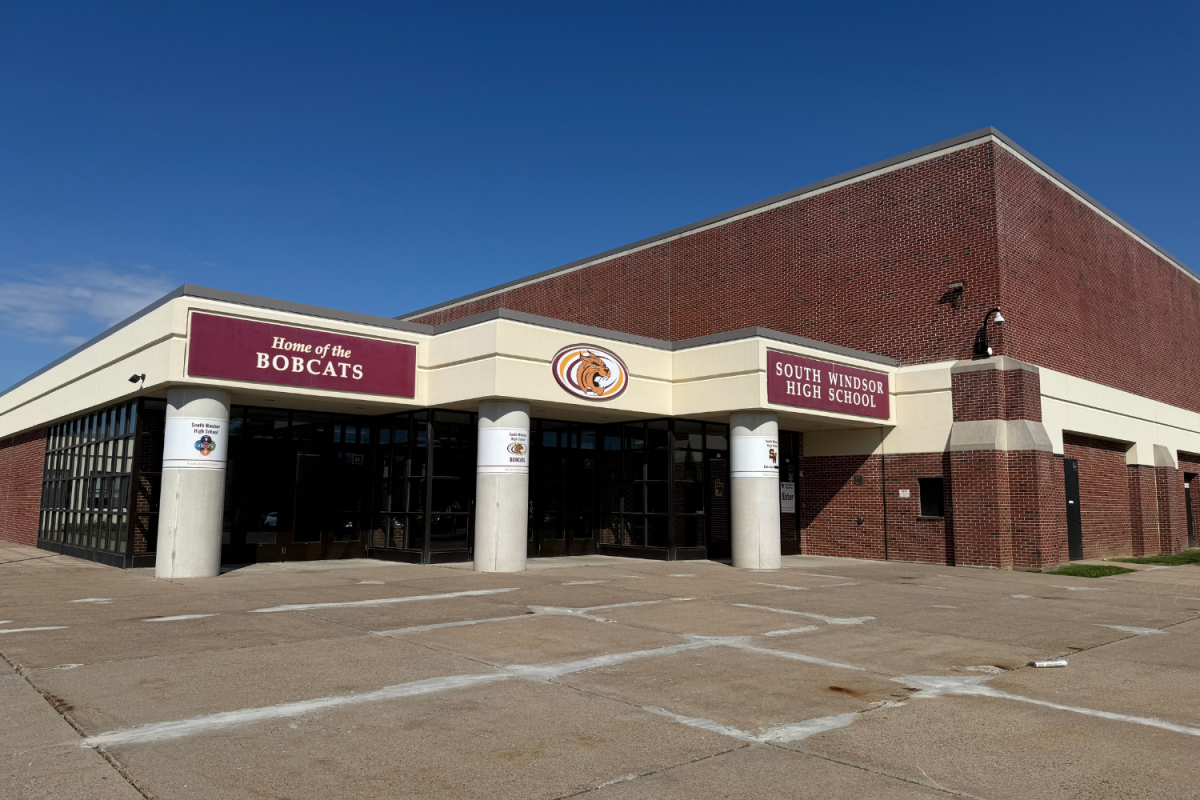
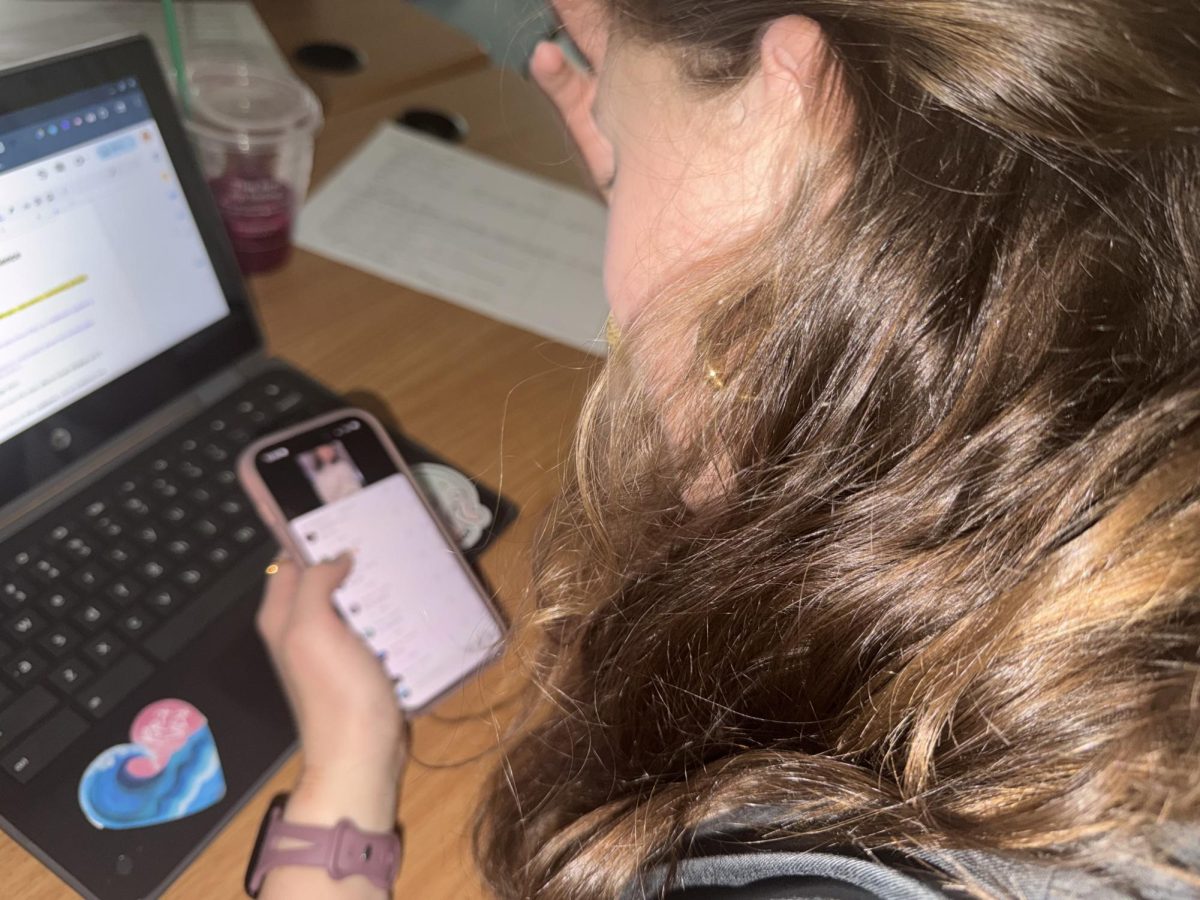








Students and teachers alike have been complaining about the recurring Chromebook issues throughout South Windsor High School since the beginning of the school year.
Most students have experienced it: the Wi-Fi disabling, Chromebooks loading for long stretches of time, keys sticking, or simply opening the device to find a black screen.
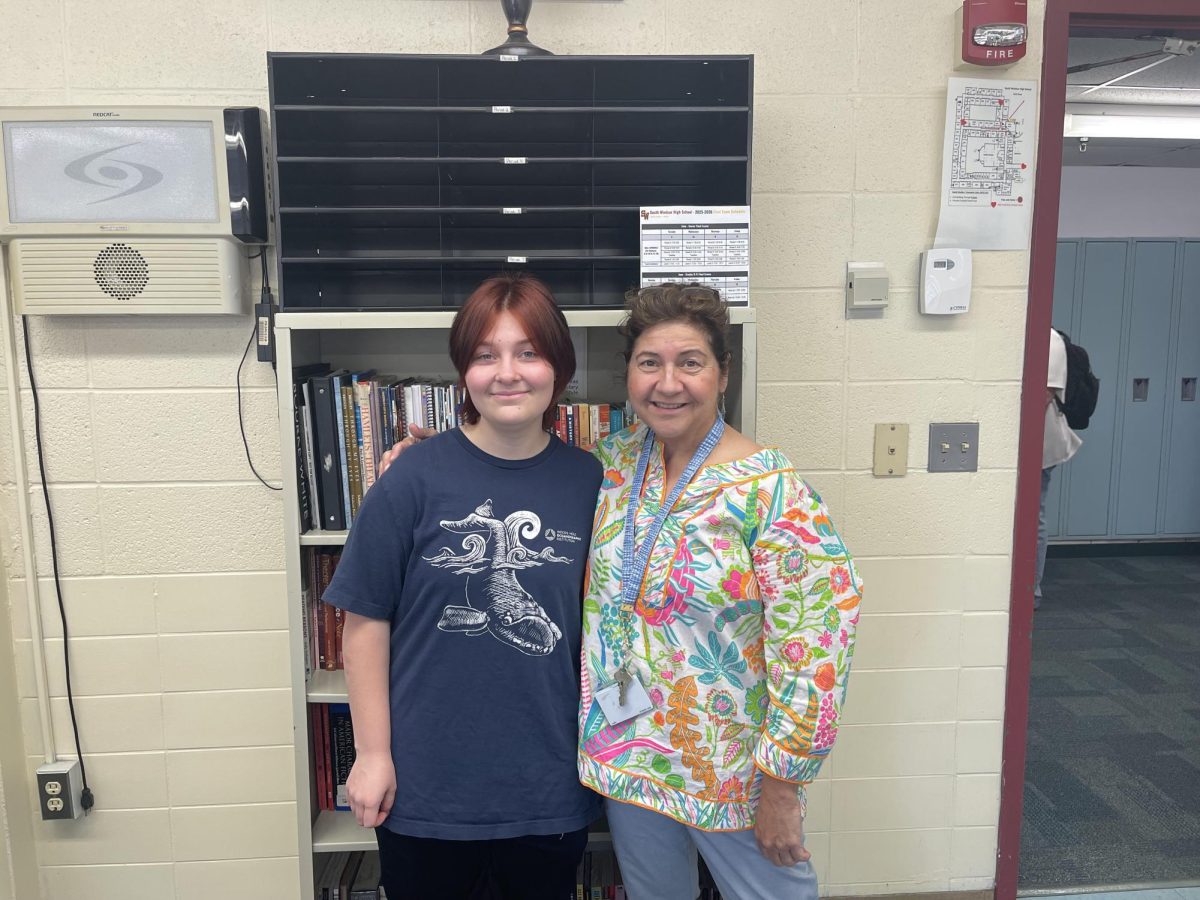
“Sometimes there’s a lot of Wi-Fi connectivity, sometimes it’s shattered screens, sometimes it’s Chrome errors themselves,” said Sarah Poinelli, one of two workers at the Media Center help desk.
For a school that relies on technology for much of the learning curriculum, the frequent Chromebook malfunctions are becoming a big problem. Applications like Google Classroom, Google Mail, Google Docs, and even standardized testing sites like Bluebook, are all accessed online.
The National Education Association, a non-profit in Washington, D.C, stated that technology in schools “improves learning opportunities for students, instruction quality, effectiveness of education employees, and provides opportunities to reduce inequities.”
But when Chromebook issues occur, oftentimes classes stop or struggle to continue. While SWHS still provides some paper work, today’s technological and social climate encourages the increased usage of the internet. According to a 2023 study from the University of Connecticut, 89% of K-12 teachers utilize technology in the classroom.
So when technology problems occur, classes come screeching to a halt.
“I mean, it definitely takes away from your guys’ ability to learn when there’s issues that [pull] you out of class,” said Poinelli.
SWHS uses a variety of Chromebooks, including Dell, HP, and CTL. A small number of students use their own laptops, which are generally more reliable and personalized, but this small minority cannot outweigh the rest of the Chromebook-equipped school.
The high school has recently pursued measures to prevent students from physically damaging their Chromebooks. Freshmen received devices with special ‘bumpers’ that snap on to the Chromebooks. This also discourages vandalization, such as marking Chromebooks with pencils or sticking gum wrappers to the outside of the devices, a new trend.
But plastic cases cannot prevent the frequent ‘crashes’ and ‘lags’ that students experience. The Chromebook help desk in the media center receives about 5-10 Chromebooks a day, and frequently runs out of loaners in the mornings.
“We can fix minor problems… for the bigger things like screen and keyboard-those are common- we have loaners,” said Joyce Hilton, another worker at the Media Center help desk.
As technology becomes more and more prevalent in modern education, it is crucial to recognize and find solutions to recurring device malfunctions. SWHS students who experience Chromebook issues are recommended to visit the help desk or the IT department.